
The Buffalo Bills entered the 2025 NFL Draft with 10 selections and ended up making nine by the end of the three-day event.
Buffalo’s main focus in the address was addressing their defense. The team used six of their nine selections on the defensive side of the ball with their first five selections coming on that side of the ball. In addition to bolstering their defensive line and secondary, the Bills also added a blocking tight end, offensive lineman and wide receiver.
After upgrading their defense and adding a bit to their offense, NFL draft analysts weighed in on Buffalo’s haul and graded their draft class. Here is what they had to say.
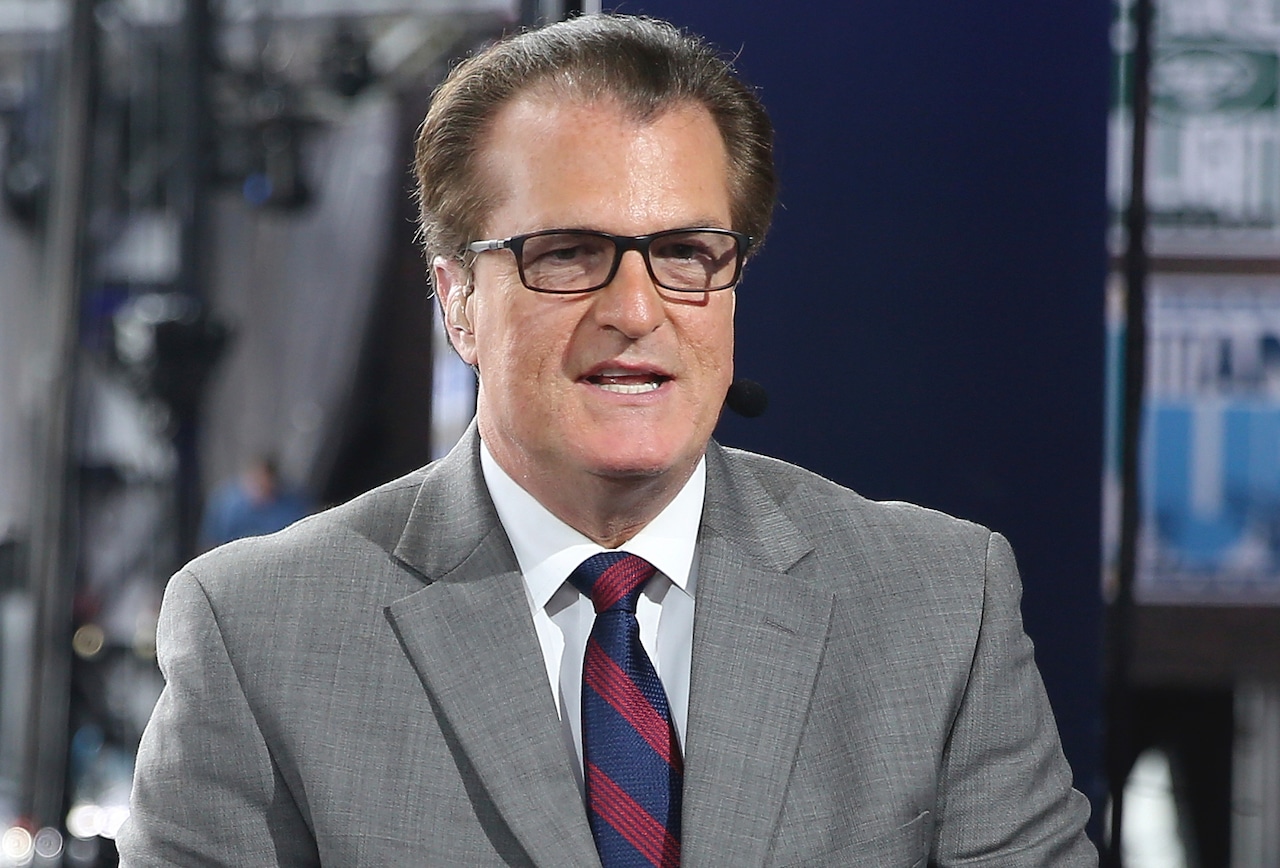
Mel Kiper, ESPN: B-
The Bills didn’t enter the draft with many glaring issues — but they were armed with 10 draft picks to keep the roster strong and remain among the best in the AFC (they made nine after trades). One spot they had to address was cornerback, though. Opponents completed 68.5% of their passes against Buffalo (fifth highest) and converted 43.8% of their third-down attempts (fourth highest) last season. The Bills lost Rasul Douglas (unsigned), traded Kaiir Elam and really only addressed the position by signing Dane Jackson. That’s why taking Maxwell Hairston in the first round made a lot of sense. He’ll bring 4.28 speed and good ball skills to the Bills’ defense.
The other two main needs were defensive tackle and receiver. The Bills checked the first box when they took T.J. Sanders on Day 2. It was a reach. Sanders was 126th on my board — and the Bills had to trade up to get him. But they had eight sacks from inside last season, third fewest in the league, and that’s Sanders’ speciality. He consistently gets pressure. Sanders should fit in next to Ed Oliver. Third-round edge rusher Landon Jackson and fourth-round defensive tackle Deone Walker will contribute on the D-line, too. They both have pass-rush upside, but I think the run-defense traits might be even more important for them. Jackson sets a hard edge, and Walker fills a gap at 6-foot-7 and 331 pounds. Buffalo allowed 4.5 yards per carry last season, 19th in the league.
Not taking a receiver until pick No. 240 (Kaden Prather) was curious. The Bills’ first five picks went to defense, only the second time in the common draft era they’ve done that (2006). Chase Lundt is a depth right tackle. Jackson Hawes is a blocking tight end. While Buffalo walked away from the draft with some defensive upgrades, quarterback Josh Allen’s unit didn’t improve this month. Buffalo could regret not doing more there.
Pete Prisco, CBS Sports: B+
Best Pick: I loved their first pick of corner Maxwell Hairston. They had to get an upgrade at that position and he should start as a rookie. He excels as a man-cover player, which means maybe the Bills will play more of it this season.
Worst Pick: Second-round interior D-lineman T.J. Sanders is a good player, but I think there were better options when they took Sanders and they traded up to get him. I would have taken Jamaree Caldwell, who went to the Chargers in the third.
The Skinny: The Bills had to get a corner, a young edge and inside player for their defense. They got all three in the first four rounds. That’s good drafting. Hairston will be a star. He plays with an attitude that you love at the position. Third-round edge Landon Jackson is a power player who did some good things against fourth-overall pick Will Campbell when they faced off. Fourth-round defensive tackle Deone Walker could be a steal and he’s a monster inside — if he stays in shape.
Chad Reuter, NFL.com: B+Hairston’s speed and feisty coverage skills should bolster the Bills’ secondary. Jackson was also a good value. He possesses the ideal build for Buffalo’s scheme. Sanders has a chance to be an interior presence but will need to be a more consistent threat for the team’s trade up for his services to pay off.Walker is a massive body in the middle but trading up a second time for a defensive tackle didn’t maximize the team’s draft capital, in my opinion. Buffalo added corners with the versatile Hancock and tall, experienced Strong. Hawes can contribute in two tight end sets and Prather made enough downfield plays at Maryland to provide value. Nate Tice and Charles McDonald, Yahoo: B-
Defense was on the menu for the Bills. Their first five selections were all on that side of the ball. I was a little lower on Maxwell Hairston, but he brings world-class speed to the Bills’ defensive back room. Head coach Sean McDermott has always loved having a deep defensive line rotation, and the Bills continued to add to their defensive line room after adding Joey Bosa and other veterans in free agency. Third-round selection Landon Jackson is a smooth athlete off the edge and second-round pick T.J. Sanders has length and twitch, and gives the Bills’ coaches an interesting bundle of tools to work with. It’s a solid class that makes sense for what the Bills need, even if a few of the players went a little higher than I would have preferred.
Rob Rang, FOX Sports: A
Sometimes, it isn’t just the positional fit that warrants a high grade but the specific prospect chosen. I love Buffalo’s bet on the speed and playmaking of cornerback Maxwell Hairston, as the Bills needed more game-breaking ability on the defensive side of the ball. GM Brandon Beane could have stuck to the “same old” Bills formula of drafting good, physical players, but Hairston is a gamble that could be the finishing touch needed for a Super Bowl run. Following the early investment made in Hairston — the fastest player at the Combine this year — the Bills returned to the “black-and-blue” strategies of prior drafts, dedicating their first five picks on defenders, including a trio of former SEC tough guys on the defensive line in T.J. Sanders, Landon Jackson and Deone Walker.
The blue-collar mentality remained a focal point deep into Day 3, even as the Bills went to tight end and cornerback with Jackson Hawes and Dorian Strong, each of whom will be adding some grit and physicality to their respective position rooms in Buffalo.
A year after trading out of Day 1, the Buffalo Bills used their first-round selection on Kentucky cornerback Maxwell Hairston. It was a sensible pick that provided sensible value at No. 30.
Hairston, the 34th-ranked prospect on the B/R Scouting Department’s final board, has good length (5′11″, 183 lbs), solid coverage skills and elite athletic ability. He also has a positive, energetic personality that should instantly resonate with Bills fans.
Taking Hairston at No. 30 was very sensible after Buffalo ranked 24th in passing yards allowed last season. Buffalo made a more aggressive move on Day 2, trading up to No. 41 to snag South Carolina defensive tackle T.J. Sanders.
While Sanders was only the 96th-ranked prospect on the B/R board, it’s hard to call his selection a massive reach. Buffalo watched an early run on defensive linemen unfold and decided to go up and get a player they liked and needed.
The Bills ranked just 19th in yards allowed per carry last season. That’s a big reason why adding prospects like Landon Jackson and Deone Walker to the defensive front in the middle rounds was logical.
General manager Brandon Beane targeted depth at cornerback and tight end on Day 3, logical choices given Buffalo’s defensive needs and offensive identity.
Overall, this was a defensive draft for the Bills, which was largely expected. While Buffalo may still lack a true No. 1 receiver, it can coax enough offense out of Josh Allen, James Cook and a good collection of complementary pass-catchers. Ideally, it’ll now have a chance to finally stop Patrick Mahomes and the rival Kansas City Chiefs in the postseason.