
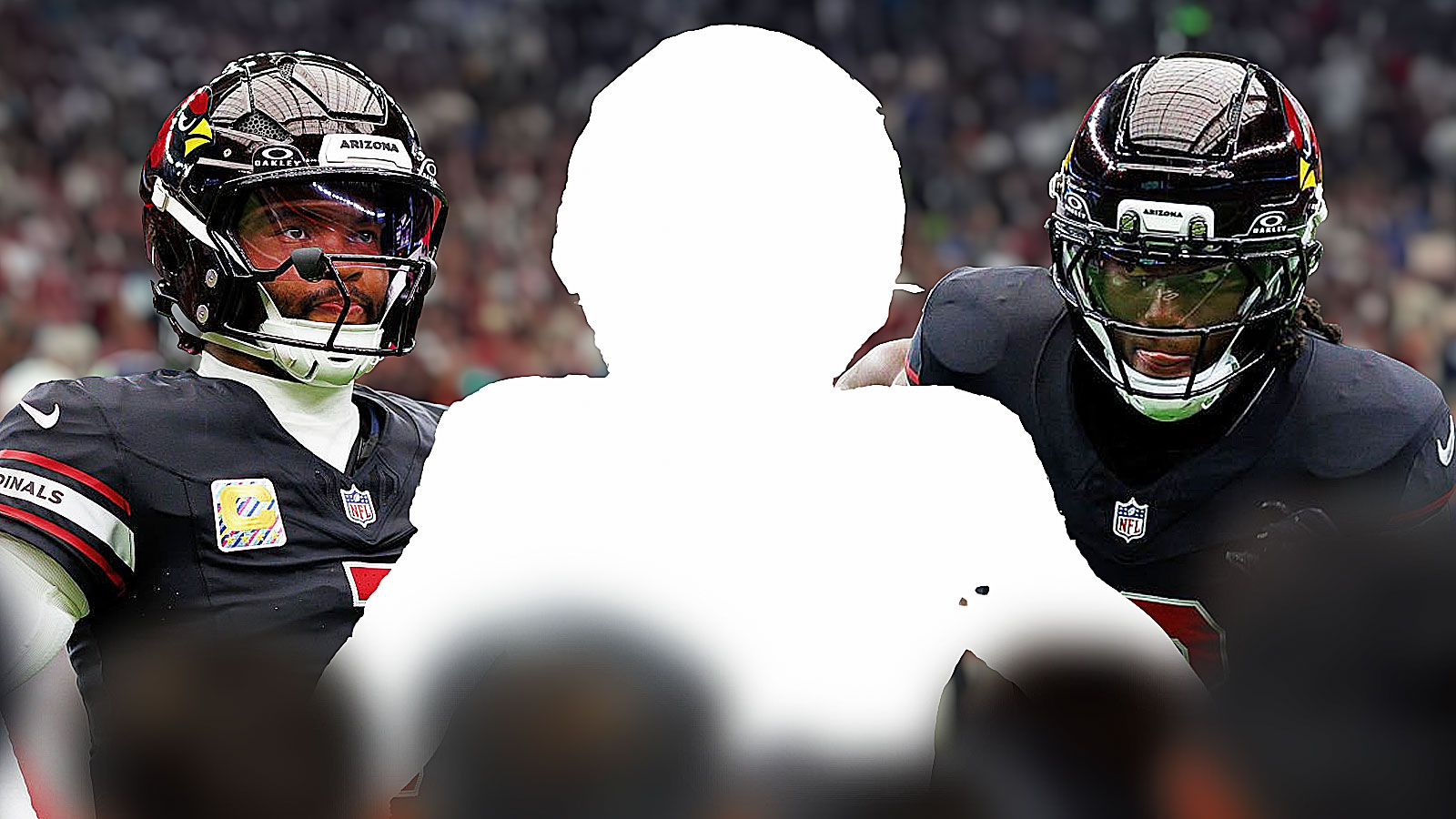
The Arizona Cardinals are firmly inside a state of rebuild. After another season derailed by injuries and inconsistency, the 2026 NFL Draft looms as a defining inflection point for the franchise. With a roster in need of an identity reset, Arizona’s draft strategy must balance immediate talent infusion with long-term flexibility. Using the PFF mock draft simulator, this three-round haul paints a picture of a team beginning to reshape itself from the outside in.
Season that unraveled quickly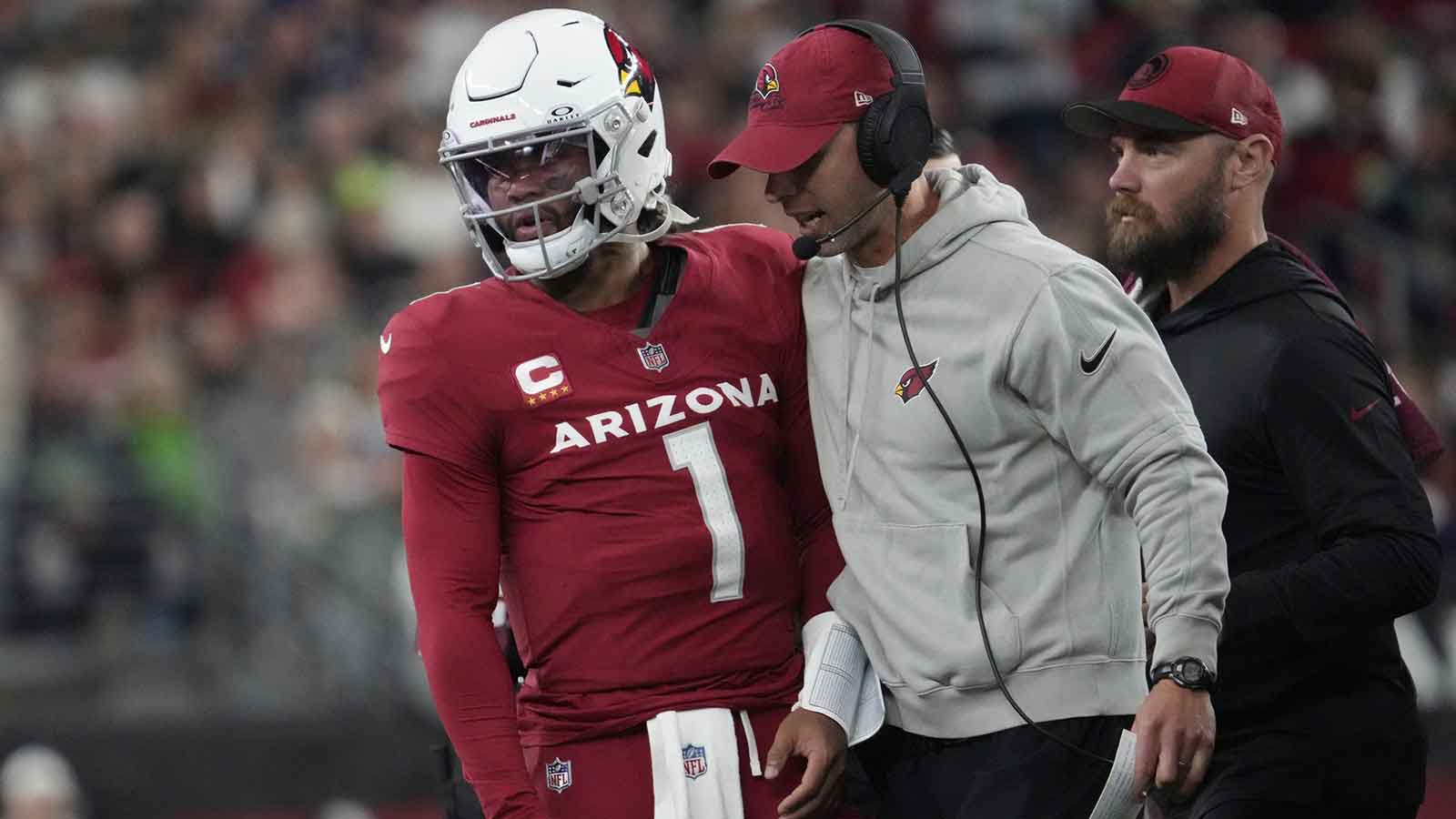 Michael Chow/The Republic / USA TODAY NETWORK
The Cardinals’ 2025 campaign began with optimism and ended with inevitability. A 2–0 start briefly suggested progress. However, that momentum evaporated almost immediately. Injuries piled up, most notably to Kyler Murray and James Conner. Of course, the losses followed. Arizona slid to a 3–12 record, including seven straight defeats and 12 losses in their last 13 games. They became one of the first teams eliminated from playoff contention in Week 13.
Still, not everything was bleak. Budda Baker continued to perform at a Pro Bowl level. He anchored the defense with leadership and range. Meanwhile, Trey McBride solidified himself as one of the league’s most reliable tight ends. Those two remain pillars. The rest of the roster, however, is very much in flux.
Draft needs
Arizona enters the 2026 NFL Draft with needs everywhere and leverage nowhere. The biggest looming decision centers on Murray’s future. His contract structure opens the door to a potential trade or replacement before guarantees escalate. Even if Murray remains, the offense requires protection upgrades. That is particularly true along the interior offensive line and at right tackle.
Defensively, the Cardinals fielded one of the league’s worst units. This creates urgency at edge rusher and along the defensive line. Linebacker help and secondary depth are also high on the list. With Conner’s durability becoming a concern, running back can no longer be treated as an afterthought. This is not a draft about luxury but about survival.
Here we’ll try to look at and discuss the Cardinals’ 3-round mock draft based on the PFF 2026 NFL mock draft simulator.
Round 1, pick 6: WR Jordyn Tyson, Arizona State
If Arizona is serious about retooling its offense, Jordyn Tyson is exactly the kind of swing worth taking. He is a refined, nuanced route runner with NFL-ready polish. As such, Tyson profiles as a future WR1. He can anchor a passing game regardless of who’s throwing the football.
Tyson checks every technical box. He wins with pacing, leverage, and spatial awareness. He also consistently creates separation without relying purely on speed. At 6-foot-2 and 200 pounds, he offers a balanced blend of size and movement skills, along with the ability to handle volume. His 2024 breakout saw 75 catches, 1,101 yards, and 10 touchdowns. That cemented him as a legitimate top-10 prospect. His 2025 numbers, though not as gaudy, remain rock-solid.
Round 2, pick 38: CB Colton Hood, Tennessee
Colton Hood brings something Arizona’s defense has sorely lacked. That’s trust. Hood is a confident, physical corner who thrives in man coverage. He also doesn’t shy away from high-leverage reps. His transition from Colorado to Tennessee unlocked his game. He responded by turning his side of the field into a genuine no-fly zone.
At 6-foot and 195 pounds, Hood plays with balance and controlled aggression. He attacks routes downhill, limits yards after catch, and consistently contests throws at the catch point. Quarterbacks simply stopped testing him as the season progressed—a sure sign of respect.
For a Cardinals defense desperate for perimeter stability, Hood projects as an immediate starter. He has the mentality to change how opponents structure their passing plans.
Round 3, pick 70: WR Ja’Kobi Lane, USC
Ja’Kobi Lane isn’t flashy. That’s precisely why he works. A big-bodied possession receiver with elite ball tracking and body control, Lane understands his role and maximizes it. He wins in traffic and consistently finishes plays when the field compresses.
Lane’s game won’t be built on speed. However, his functional athleticism and spatial awareness make him a quarterback’s friend on third downs and goal-line situations. His success at the next level will depend on scheme fit. In the right offense, though, he can be a highly productive complementary piece.
Paired with Tyson, Lane gives Arizona size, versatility, and matchup diversity. These are two receivers who win in very different ways.
Intentional reset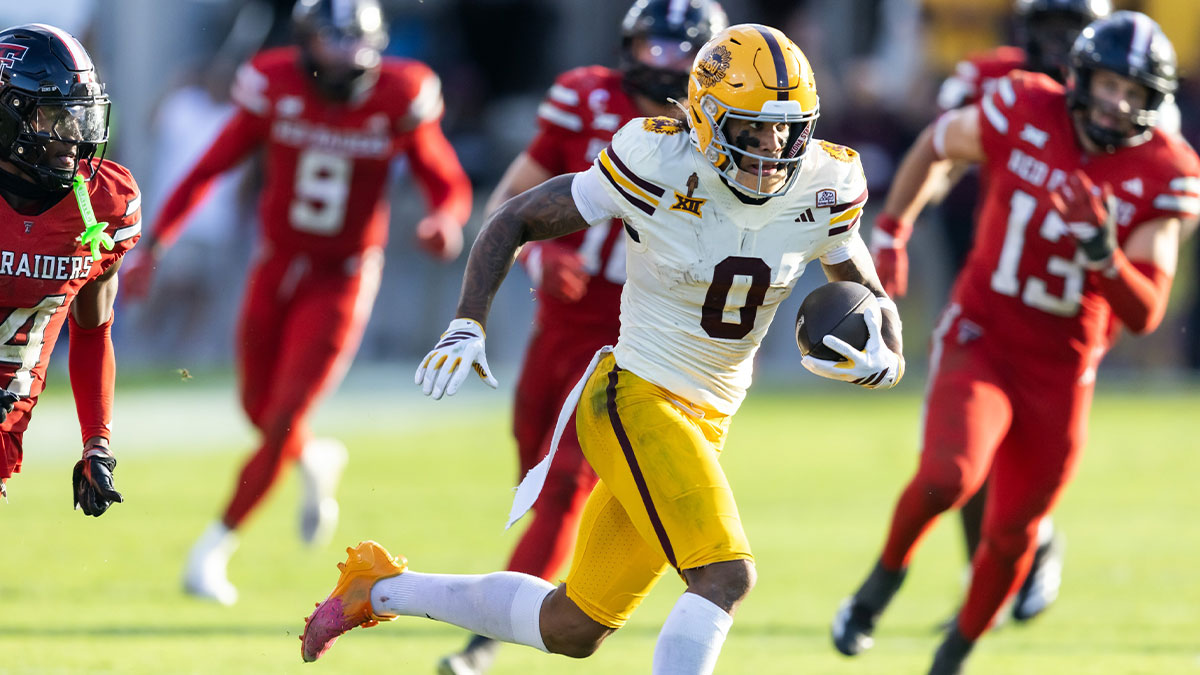 Mark J. Rebilas-Imagn Images
This mock draft won’t solve everything. However, it gives Arizona a direction. Jordyn Tyson becomes a potential offensive centerpiece. Colton Hood stabilizes the secondary. Ja’Kobi Lane adds situational value and depth. It’s not a flashy rebuild, but it’s a smart one. For the Cardinals, that might finally be the right place to start.