
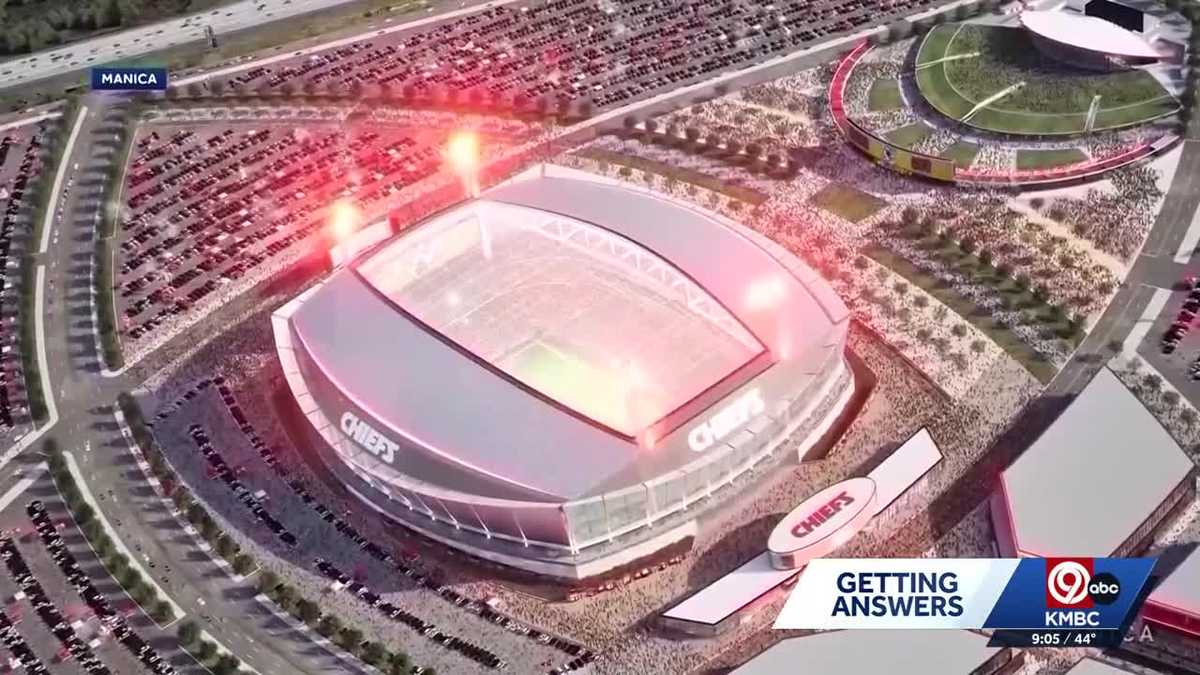
The success of a proposed new stadium for the Kansas City Chiefs in Kansas would depend heavily on tourism, consumer behavior, and the development of a surrounding entertainment district.Economist Chris Kuehl, with Armada Corporate Intelligence, said the scale of the proposed project would be unprecedented for a development funded through STAR bonds.“Yeah. There has never been anything this big with STAR bonds,” Kuehl said.Kuehl said the stadium plan would require consistent tourism from beyond the six closest Midwestern states to generate enough revenue to succeed.“The national fan base needs to be engaged if you’re going to make an entertainment district out of it,” he said.He said the project would also require a shift in how local fans spend money on game days.“Entertainment for Kansas City has been tailgating, and you’re not going to get sales tax off the tailgaters,” Kuehl said.For the project to work, Kuehl said the stadium district would need to grow in a similar way to CPKC Stadium, with a mix of residential, retail and high-density development.“It’s the entertainment district that’s going to make or break it,” he said.Kuehl pointed to other stadium projects for comparison. On Sunday, the Chiefs are scheduled to play at the relatively new Las Vegas Raiders stadium, a venue funded primarily through a hotel tax that is on track to be paid off three years ahead of schedule under a 30-year deal.“It’s realistic, I think, to pay it off on time,” Kuehl said. “I don’t think it’s realistic to pay it off really early.”Kuehl said the closest comparison to the Chiefs’ proposal is the new stadium for the Tennessee Titans in Nashville, which is also funded by tourism-related hotel taxes and built along a downtown riverfront.In contrast, the Chiefs’ proposed domed stadium would be located in suburban Kansas City and mainly funded through sales taxes. Kuehl said the project could succeed if it attracts visitors year-round, not just on game days.“Because that’s what you see in Cincinnati and in Baltimore, people go visit the entertainment district even when there’s no game there,” he said.Kuehl said drawing high-end consumers who can continue spending despite inflation would be essential to the project’s long-term viability.
KANSAS CITY, Mo. —
The success of a proposed new stadium for the Kansas City Chiefs in Kansas would depend heavily on tourism, consumer behavior, and the development of a surrounding entertainment district.
Economist Chris Kuehl, with Armada Corporate Intelligence, said the scale of the proposed project would be unprecedented for a development funded through STAR bonds.
“Yeah. There has never been anything this big with STAR bonds,” Kuehl said.
Kuehl said the stadium plan would require consistent tourism from beyond the six closest Midwestern states to generate enough revenue to succeed.
“The national fan base needs to be engaged if you’re going to make an entertainment district out of it,” he said.
He said the project would also require a shift in how local fans spend money on game days.
“Entertainment for Kansas City has been tailgating, and you’re not going to get sales tax off the tailgaters,” Kuehl said.
For the project to work, Kuehl said the stadium district would need to grow in a similar way to CPKC Stadium, with a mix of residential, retail and high-density development.
“It’s the entertainment district that’s going to make or break it,” he said.
Kuehl pointed to other stadium projects for comparison.
On Sunday, the Chiefs are scheduled to play at the relatively new Las Vegas Raiders stadium, a venue funded primarily through a hotel tax that is on track to be paid off three years ahead of schedule under a 30-year deal.
“It’s realistic, I think, to pay it off on time,” Kuehl said. “I don’t think it’s realistic to pay it off really early.”
Kuehl said the closest comparison to the Chiefs’ proposal is the new stadium for the Tennessee Titans in Nashville, which is also funded by tourism-related hotel taxes and built along a downtown riverfront.
In contrast, the Chiefs’ proposed domed stadium would be located in suburban Kansas City and mainly funded through sales taxes.
Kuehl said the project could succeed if it attracts visitors year-round, not just on game days.
“Because that’s what you see in Cincinnati and in Baltimore, people go visit the entertainment district even when there’s no game there,” he said.
Kuehl said drawing high-end consumers who can continue spending despite inflation would be essential to the project’s long-term viability.