
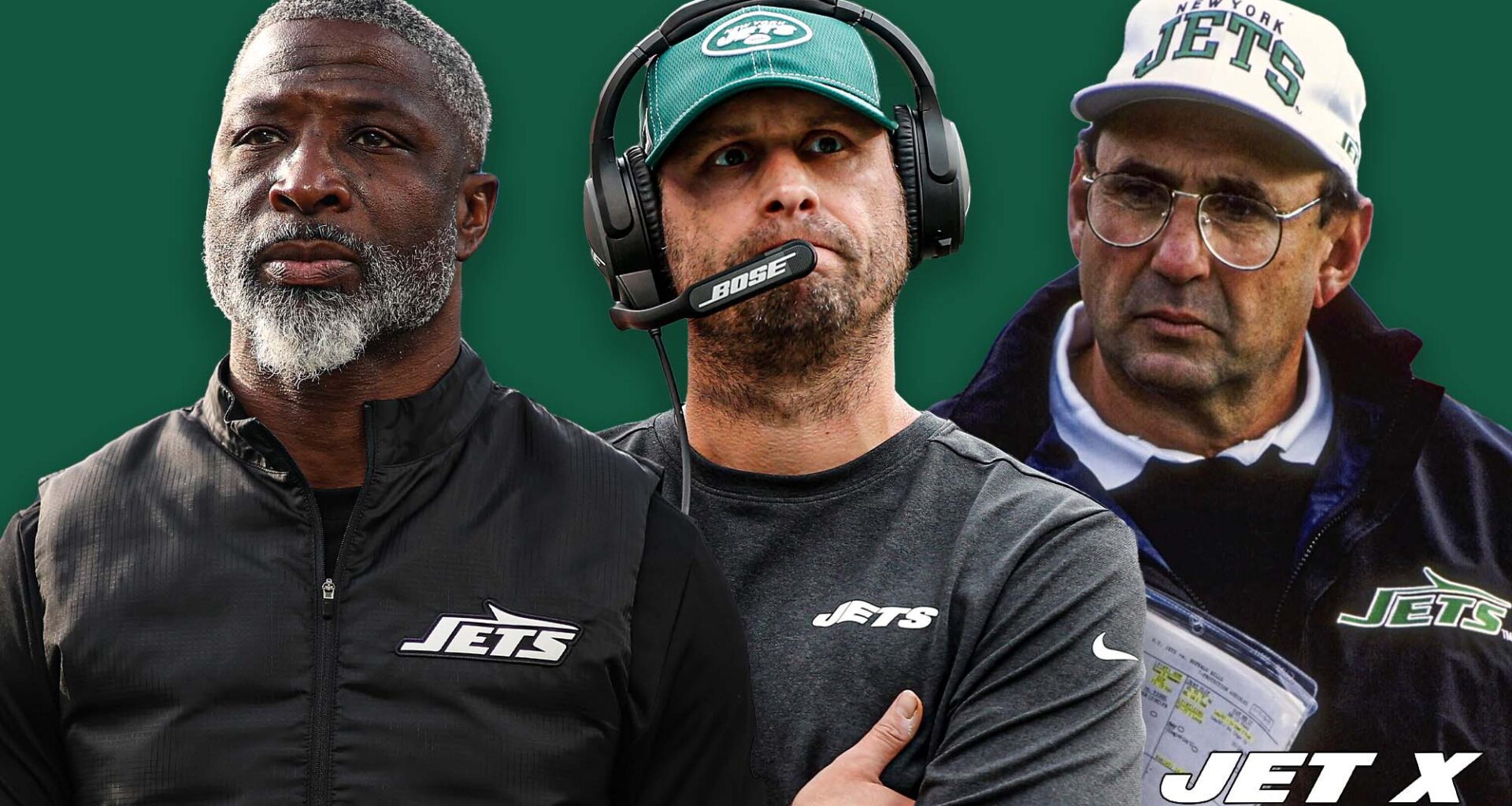
New York Jets head coach Aaron Glenn promised multiple times this season that the team he was coaching wasn’t “the same old Jets.”
Turns out, he was right.
They are much worse.
Glenn set out to build a winner in Florham Park for the first time in almost two decades. Through it all, his overconfidence and bravado, once seen as engaging and exciting, turned into a major albatross. Answers he gave at the start of his tenure quickly changed on a dime the minute the losses began to pile up.
At his introductory presser, Glenn touted, “We’re the freaking New York Jets, and we’re built for this (expletive).”
All fans have seen this season is even worse (expletive) than before.
These are not the “Same Old Jets”
The “same old Jets” moniker is back, although it hardly even applies at this point. Most of the previous 65 iterations of the franchise were better than this one.
The 2025 Jets’ average point differential of -11.0 ranks fifth-worst in team history; after adjusting it for their strength of schedule, they rank second-worst.
Where did the Jets go wrong?
Was it their inability to competently build a defensive scheme that matched former play-caller Steve Wilks’ zone principles with Glenn’s man-press demands?
Was it their inability to build a passing offense that could average more than 145.8 yards per game?
Ultimately, the Jets’ historically poor season can be traced back to a single mistake: The signing of Justin Fields and the immediate push/hubris to make him a starter.
Fields had been a failed quarterback well before he was a member of the Jets. For some reason, Glenn felt that his team would be the one to finally turn the Ohio State product into a quality NFL starter.
Despite a lack of evidence to support that claim, the Jets gave Fields a free pass to be the team’s leader without a competition in camp—a competition he would’ve lost had the results mattered.
Fans and analysts can point to a disastrous December that saw the team outscored by a record-setting 107 points. They can demand answers from a defense with the longest interception drought in NFL history.
At the end of the day, the familiar woes originate from a familiar place: the inability to find a good quarterback.
The hubris that they somehow could make it work with a proven poor quarterback was just the icing on the cake.
It also brings up the legitimate question about whether the current staff can even be trusted to locate and develop a “good” quarterback.
Until the Jets find a solution to that question, years like this will only persist. The quarterback position remains the most significant concern overshadowing the current regime as Aaron Glenn trends toward a return in 2026.