
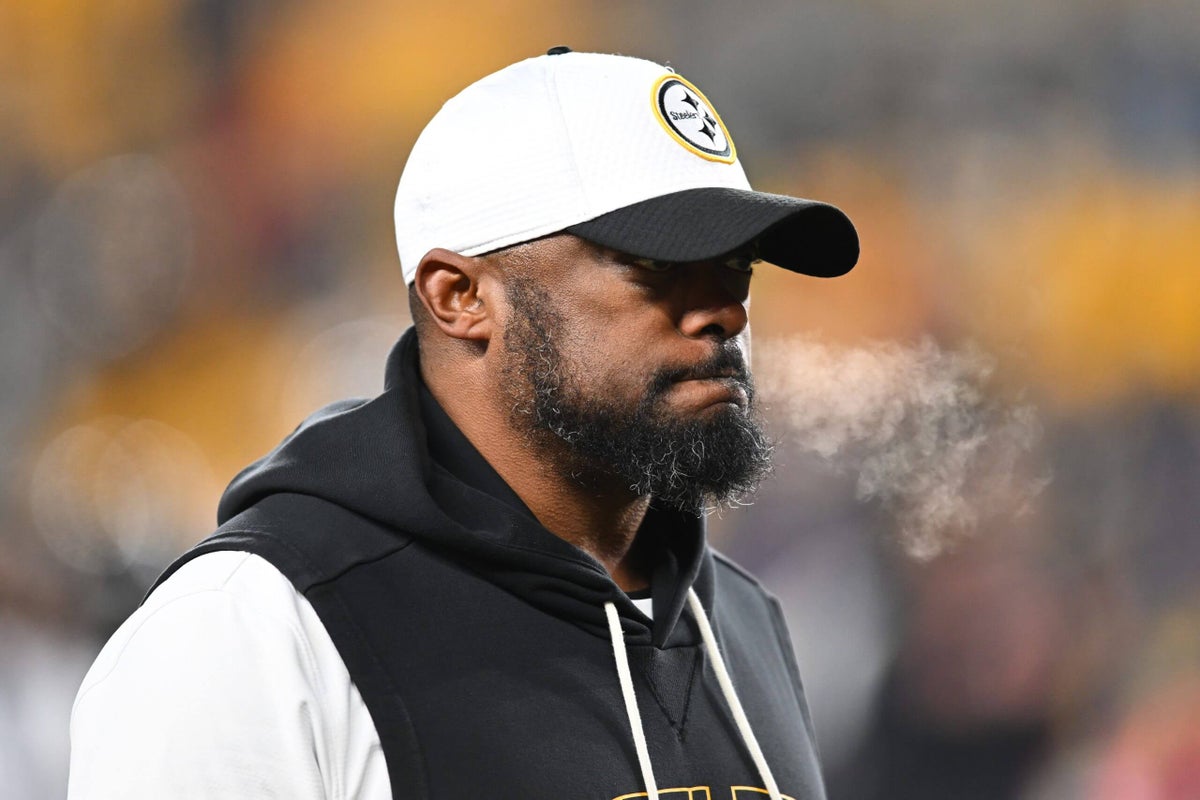
The boos rained down from the half-filled stands at Acrisure Stadium toward Mike Tomlin and the Pittsburgh Steelers as the game clock in their 30-6 wild-card playoff loss to the Houston Texans ticked down to triple zeros.
Another early exit. Another one-and-done — the sixth in as many playoff appearances since the 2017 season.
Tomlin and his team performed the customary exchanging of pleasantries with their counterparts at midfield, and then the coach walked off the field for what, as it turns out, was his last time as the leading man of the Steelers.
Weeks earlier, the black-and-yellow-clad fans had broken out in “Fire Tomlin” chants as a loss to the Buffalo Bills dropped the Steelers to 6-6 and sparked uneasiness about looming postseason chances.
The next week, Tomlin managed to right the ship with a win at the Baltimore Ravens, which kicked off a three-game winning streak, and then capped the regular season with a playoff-ticket-punching victory over those Ravens, because, of course he did. Pushing, pulling and coaxing wins out of his team amid bleak situations is what Tomlin does.
But Monday night, the familiar angst of a continued Super Bowl drought returned, and the fans again conveyed their displeasure with the coach and his charges. Some 14 hours later, Tomlin was gone. In a brief meeting with owner Art Rooney II, the coach announced his resignation after a 19th season — none of which featured a losing record — and shortly after, he broke the news to his players.
And so began a new chapter in the storied franchise’s history. Now the boo birds get what they wanted. A fresh start and visions of brighter days and dreams fulfilled.
They should be careful what they ask for, though.
Sure, the Tomlin era kicked off in 2007, and two years later, the Steelers won their sixth Super Bowl. And yes, Bill Cowher succeeded four-time Super Bowl winner Chuck Noll and orchestrated his own Hall of Fame-worthy reign.
But there’s no guarantee the Steelers will similarly rebound under Tomlin’s successor.
Ask any NFL coach or executive, past or present, or anyone who has worked with or played for Tomlin, and they’ll explain just how monumental and improbable a feat the coach pulled off by guiding Pittsburgh to 13 playoff appearances — reaching the Super Bowl twice and winning it all once — while not once experiencing a losing season. Success like that over such an extended window of time just doesn’t happen. Even the greatest of sports franchises experience an eventual drop-off. Even Bill Belichick’s legendary career with the New England Patriots ended with the six-time Super Bowl-winning coach experiencing losing campaigns in three of his last four seasons.
But Tomlin always found a way to maximize the talent he was working with, and often got his players to exceed their potential. It might not have felt like it because of the expectations that had been set for generations.
“It’s just the nature of the Steelers and what has been created,” former Steelers defensive back and Hall of Fame coach Tony Dungy said. “I was there towards the end of coach Noll’s era, and the same thing. ‘Oh, you know, what happened to our Super Bowl teams? These guys aren’t quite the same.’ And then coach Cowher had to deal with it. You’ve got this standard of expectation that if you don’t win the Super Bowl, or you don’t get to the AFC Championship Game, it’s a bad year. And I think there’s a lot of franchises that could tell you that it’s not necessarily a bad year just because you don’t get to the Super Bowl, but that’s the feeling there.”
Expectations or no, Tomlin did indeed work magic during his 19 years in Pittsburgh.
Dungy, one of Tomlin’s mentors and his first NFL boss while head coach of the Tampa Bay Buccaneers, further said, “I think just that his players believed in him and the way they did things. He had a few years with an iconic quarterback, and I can tell you, it’s easier to win when you’ve got that right. But in the years that they didn’t, he was still able to put competitive teams out there and teams that you wanted to watch. There was that belief in how they were going to do things. And I just think it stemmed from his relationship with the players.”
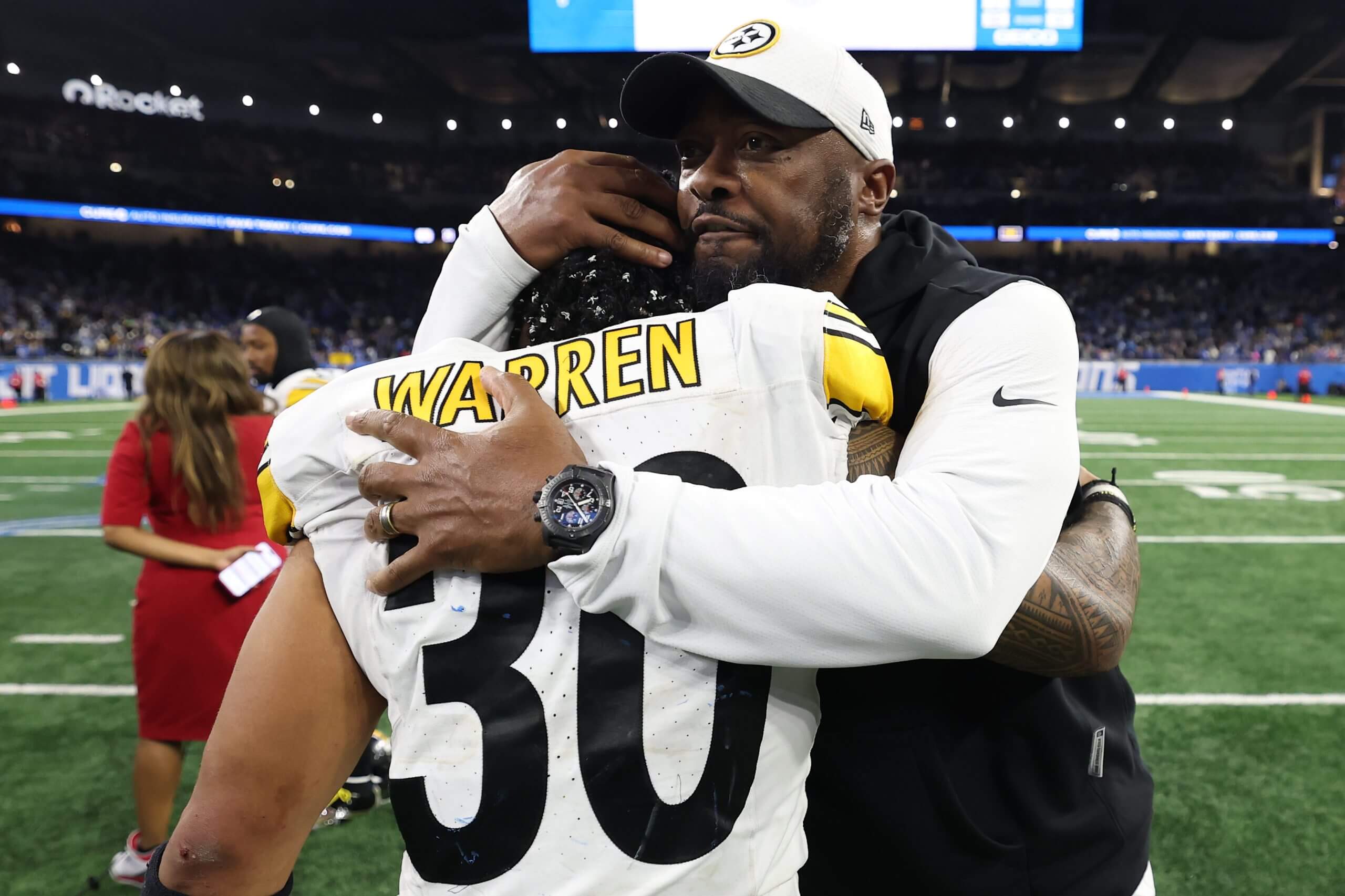
Mike Tomlin’s relationship with his players, such as running back Jaylen Warren, has always been one of his strong suits. (Gregory Shamus / Getty Images)
We’ve all heard the “The standard is the standard” and “We need volunteers, not hostages” sound bites Tomlin offered in his news conferences. But it was often the coach’s behind-the-scenes efforts that let players know they mattered and propelled teams toward unlikely on-field success.
Tomlin learned the importance of this early in his coaching career.
Dungy recalls the bright-eyed, determined college assistant who showed up in Tampa in 2001, determined to impress in his interview and take the NFL by storm. Tomlin showed up at Bucs headquarters, however, and was caught off guard when he had to step over Dungy’s 8-year-old son, who was playing video games on the floor of his dad’s office. And then, while taking note of Dungy’s tradition of encouraging players to bring their children to practice Saturdays — a tradition Dungy picked up while playing for Noll and the Steelers in the 1970s — Tomlin realized it was possible to be both a demanding coach and a tender-hearted family man, and the impact such gestures had on players. He took the tradition with him to Pittsburgh, and 25 years after he took notes from Dungy, Tomlin’s teams were still having family Saturday practice days.
Former and current Steelers players and employees sing a similar tune when asked about Tomlin. They explain his players felt like he cared about the whole human — not just the athlete — and Tomlin could always be counted on for honest assessments. The blunt talks always gave players a clear understanding of what and how they needed to improve. Tomlin effectively communicated expectations, and because they appreciated the authenticity they saw in their coach, Steelers players felt inspired to do everything in their power to avoid letting their coach down. That desire served as precious fuel for those Tomlin teams that overachieved in many regular seasons.
Tomlin gets knocked for his playoff victory drought, but in truth, some of his teams that squeaked into the postseason really had no business finishing above .500. Tomlin’s superpower of instilling belief and resilience served as the deodorant for putrid quarterback situations such as the 2019 Mason Rudolph-Duck Hodges-led campaign, and duct tape that held together battered rosters such as the 2012 squad that used 16 offensive line combinations, or the 2015 team that almost pulled off a playoff victory over the Denver Broncos with Le’Veon Bell and Antonio Brown sidelined with injury.
(Speaking of Bell and Brown, Tomlin also impressively managed difficult personalities, getting the most out of problem kids while helping them avoid the combustible behaviors that manifested themselves in their post-Pittsburgh stops.)
There are plenty of smart football minds out there for the Steelers to choose from, and given the strong foundation of the organization, perhaps the Steelers can avoid a plunge into football purgatory as the New York Giants have ever since the departure of two-time Super Bowl-winning coach Tom Coughlin, that the New Orleans Saints have endured after Sean Payton, or the 4-13 disaster the Patriots endured after Belichick. But to promptly rebound to the level that will meet the expectations of Super Bowl-thirsty Steelers fans, Pittsburgh officials will have to conduct an overhaul to the organizational practices that have held the franchise back for years and that Tomlin managed to mask.
It’s no secret in NFL circles the Steelers remain antiquated in their approach to talent evaluation. There’s a reason the same organization that traditionally thrived on draft success has hit on fewer and fewer selections in the last decade. In addition to fielding one of the smaller coaching staffs in the league, the Steelers also remain behind their counterparts when it comes to scouting departments and the employment of analysts and the reliance on advanced statistics. Without a more modern approach to the structure of the organization, a new coach will struggle not only to maintain the level of success experienced under Tomlin but also to advance the Steelers further.
While speaking to reporters Wednesday, Rooney said he didn’t envision dramatic changes to the structure of the football operations staff, but a fresh approach is indeed needed. And even if a new coach does bring with him demands of a new way of doing things, patience will be required. Given this roster ranks among the oldest in the league, the Steelers have to get younger at key positions, and with youth comes growing pains — a foreign concept in Pittsburgh but a necessary evil in most rebooting franchises.
Kyle Shanahan is one of the brightest coaches in the league, but even he endured back-to-back losing seasons with the San Francisco 49ers while he and John Lynch rebuilt their roster. Payton suffered through an 8-9 season in Denver while he and the Broncos upgraded key areas and toiled for their franchise quarterback.
So, a lean year or two could lie ahead, and if it is indeed brief, the Steelers should count themselves fortunate.
Team brass and their fans would like to think the strength of the organization will protect them from dramatic regression. They’re about to find out just how strong a foundation this thing rests on, however. The man who overcame odds and masked deficiencies for nearly two decades — and probably never truly earned the full appreciation he deserved — is gone, and wizards of similar ilk don’t come along every day.