
What constitutes a good quarterback nowadays in the NFL? For the New York Jets, that question has alluded them for decades.
It’s easy to see why all organizations across the league are struggling with that very question as well. New York may be sitting home from postseason play for the 15th straight year, but it should be learning plenty from the 2026 playoffs.
At the heart of that lesson is an uncomfortable truth about quarterbacks that the team must recognize. It’s incumbent upon Aaron Glenn to grasp this lesson as quickly as this very offseason.
An uncomfortable QB truth
The uncomfortable truth the New York Jets must realize is this:
Every single NFL starting quarterback is either overrated or underrated. This is especially true when considering the expectations from fans, coaches, and media analysts.
The nature of this overrated-underrated scale boils down to the quarterback’s situation.
Josh Allen, Lamar Jackson, C.J. Stroud … quarterbacks come in many different forms (play styles, prototypes, etc.).
Given the position’s hefty salary and the expectations of the position, it is often impossible for any player to perform at the level fans and analysts are demanding now. No matter the double standard we have seen from analysts, the reality is the same: Quarterbacks cannot win football games alone.
This leads to another uncomfortable lesson: If the nature of the quarterback position is overrated, it’s more important than ever that a coaching scheme and the talent around the signal-caller are pristine.
In other words, having a “franchise quarterback” in the modern NFL is an organizational goal rather than relying solely on the individual who plays the position. The idea of a “franchise quarterback” is more complex than fans would like to believe.
Divisional round realities
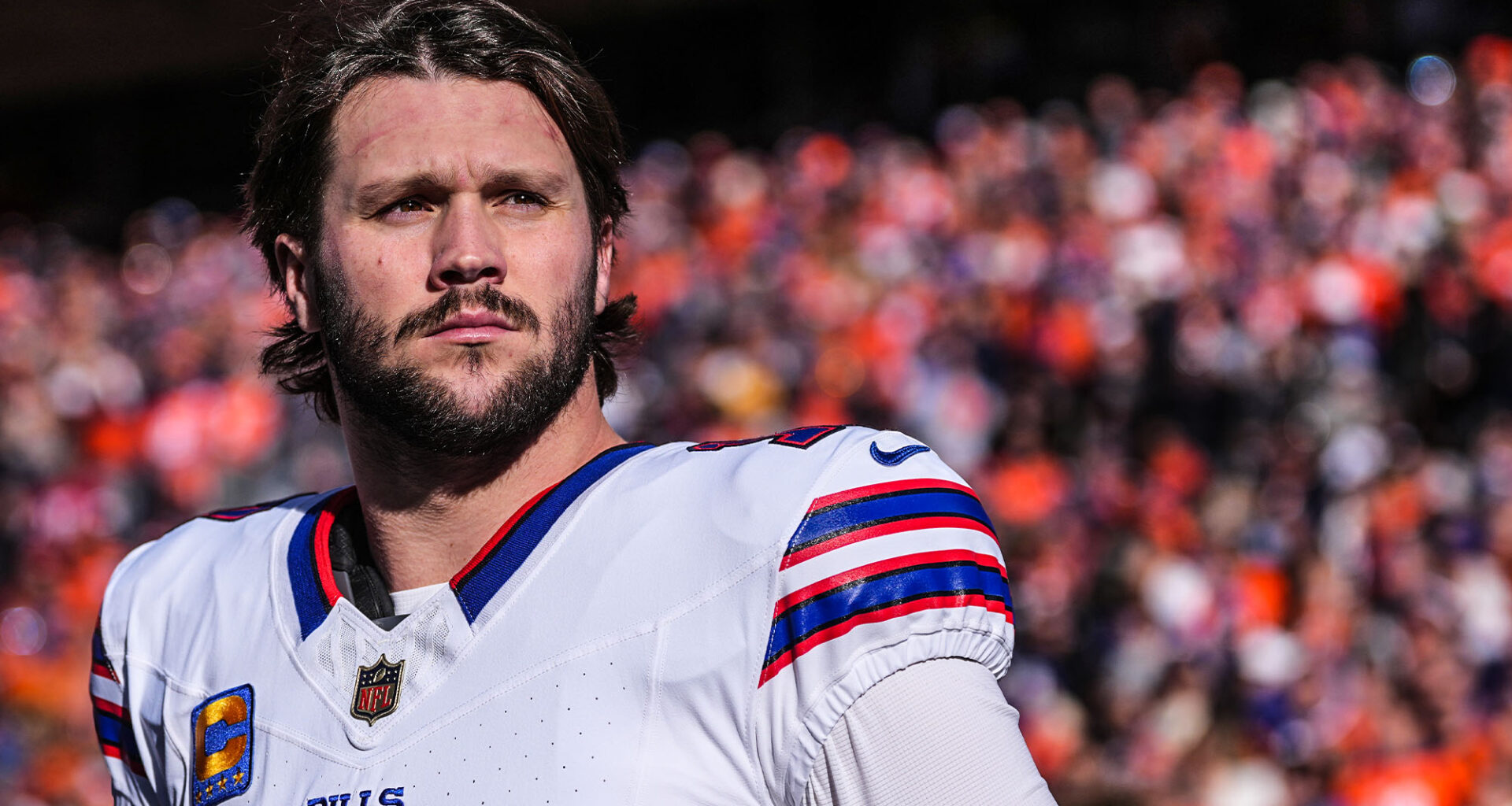
The Buffalo Bills and Houston Texans’ divisional round losses are tremendous examples. Josh Allen and C.J. Stroud are two of the more talented quarterbacks in the league. Most analysts have them in the top 10 of quarterback rankings. (At the very least, Stroud was once considered in that range.)
Despite the obvious talent, both Stroud and Allen turned the ball over four times, costing their teams significantly.
Does this mean they are bad quarterbacks? Not necessarily. It just means that, for the money each team pays them, they simply cannot win games on their own — no signal-caller can.
Allen had the league’s top rusher and a good offensive line. All he had to do was not fumble the football or make bad reads.
He couldn’t do it.
All Stroud had to do was rely on the league’s best defense to keep the game close. No turnovers against New England could have meant a win. Except Stroud literally handed the Patriots the win on Sunday.
The Jets should take notice of that exact point.
To win in the modern NFL, you absolutely need a quarterback to play competently. But supporting positions (and a scheme) are required around him to get the best out of everyone.
If the Jets were to alter their entire livelihood for a single quarterback, they would get what the Bills have with Josh Allen — a good team, but one that may never be able to take the step towards a Super Bowl.
Finding the right quarterback, one who can read the defense, deliver accurate passes, and not turn the ball over, is paramount for the Jets. But it means absolutely nothing if they can’t get the players around that signal-caller right.
It’s the one lesson from the playoffs that has stuck more than any other.