
CLEVELAND, Ohio — The brutal honesty between QB and coach has created a foundation of trust rarely seen in the NFL, with both leaders publicly owning mistakes while immediately looking for solutions
In the high-stakes world of NFL playoff football, pointing fingers is the easy path.
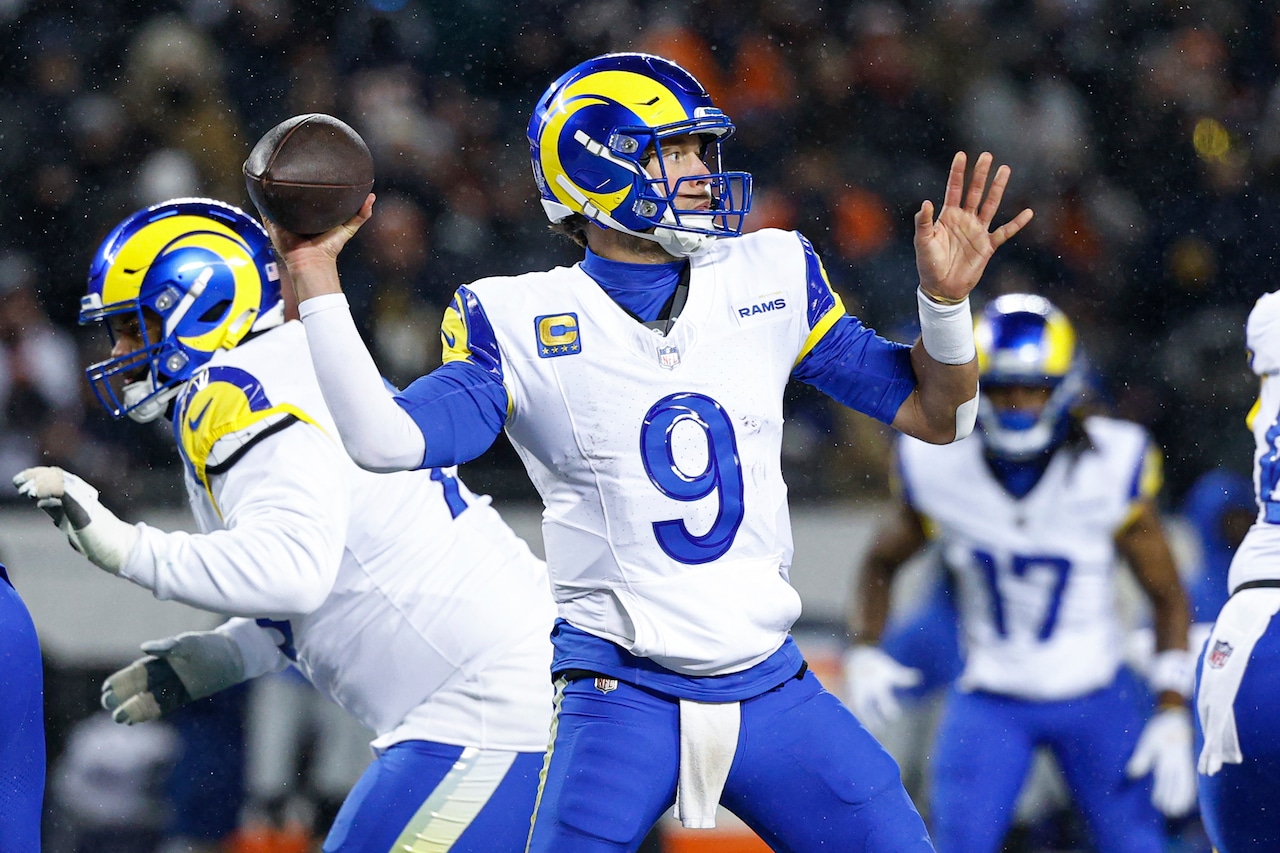
The hard path—the one that actually builds championship teams—is the culture of “extreme ownership” that Rams quarterback Matthew Stafford and head coach Sean McVay have meticulously cultivated since Stafford’s arrival in Los Angeles.
On Wednesday, as they gear up for their NFC Championship matchup with the Seattle Seahawks, the two Rams leaders offered a masterclass in accountability that reveals why this team has developed the mental fortitude, to win consecutive road playoff games despite moments of adversity that would break lesser teams.
McVay didn’t mince words when describing what makes Stafford such an exceptional leader.
“I think any great leader that I’ve ever been around and Matthew is a perfect illustration of that, there’s extreme ownership and there’s accountability,” McVay explained. “I’ve heard it said before, I think excuses are tools of the incompetent and Matthew is the furthest thing from that. He’s got great ownership and I think that’s why people want to follow him.”
This isn’t just coach-speak. McVay demonstrates the same ownership mentality, openly discussing a critical third-down call that nearly cost the team in their recent playoff victory.
“That third and one play, I’m thinking, man, if that ends up being the play that costs us because I didn’t put us in a great spot, I mean, that would be a rough offseason,” he admitted, showing the same accountability he praises in his quarterback.
What’s remarkable about this dynamic is that it’s genuinely mutual. When asked about his relationship with McVay, Stafford didn’t hesitate to highlight the radical honesty that defines their partnership.
“I think the coolest thing is just the honesty that we have with each other, whether things go the way we want them to or not. How can we fix them? How can we be better? How we communicate better as an offense? and then ultimately play better,” Stafford explained. “We’ve had that since I’ve been here. I appreciate the hell out of it. Not always the case in this league.”
That final line speaks volumes about why this approach stands out in the NFL. Most quarterback-coach relationships maintain a careful hierarchy, with criticism flowing in one direction. The Stafford-McVay partnership demolishes that model, replacing it with a two-way street of accountability that elevates both men’s performances.
This accountability culture extends beyond just these two leaders. By modeling extreme ownership at the top, they’ve created a team-wide environment where blame is replaced by problem-solving and collective responsibility.
The results speak for themselves. The Rams have consistently found ways to win in December, January and February since Stafford’s arrival—a 24-6 record in those critical months, as mentioned in the podcast. More importantly, they’ve developed the resilience to overcome in-game setbacks that might derail other teams.
While football discussions often focus on X’s and O’s, this podcast episode reveals something potentially more valuable: the psychological foundation that allows all that tactical preparation to flourish under pressure.
The Stafford-McVay accountability system doesn’t just help them bounce back from mistakes—it fundamentally changes how the team experiences those mistakes in the first place.
As the Rams continue their playoff journey, this culture of extreme ownership might be the difference-maker that separates them from teams with similar talent.
Football Insider newsletter free trial: Take a minute and sign up for a free trial of our Football Insider newsletter, featuring exclusive content from cleveland.com’s Browns reporters.