
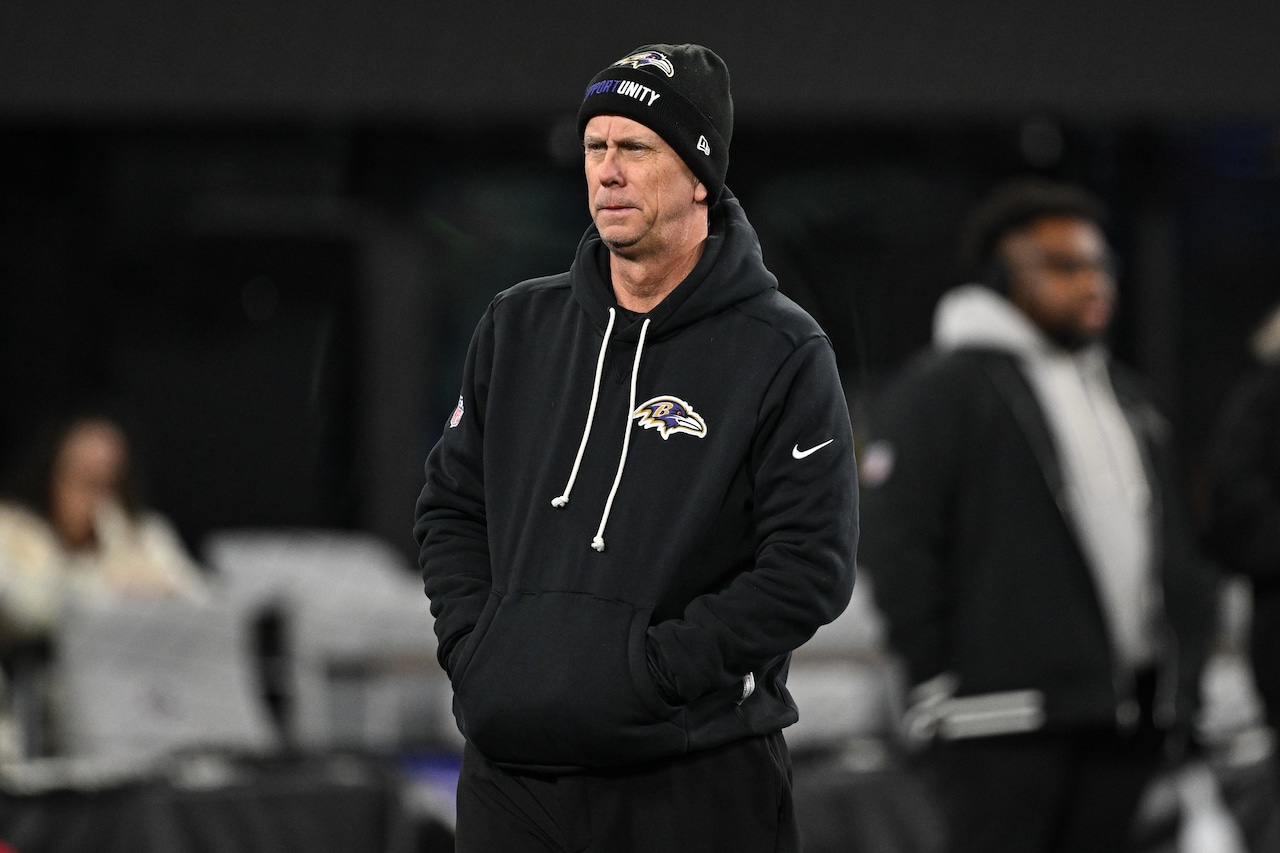
CLEVELAND, Ohio — The wait is over.
It took a little over three weeks, but the Browns have officially hired Todd Monken as their new head coach.
Primarily an offensive coordinator throughout his career, Monken has seen success at both the college and pro ranks.
He’s coming off three seasons as Baltimore’s offensive coordinator, where the unit consistently ranked among the NFL’s best.
Browns fans were familiar with Monken, even before he did his time in Baltimore.
Back in 2019, he was Cleveland’s offensive coordinator during their six-win season. Monken ran the offense under then-head coach Freddie Kitchens but didn’t call plays.
Now he’s back in town and at the helm, taking over a Browns offense that ranked 31st in points (16.4), 27th in rushing yards (97.0), and 31st in passing yards (165.1).
What can we expect from Monken as the head coach?
Let’s take a look through the eyes of data and analytics.
Air Coryell
Browns fans became accustomed to the West Coast offense under Kevin Stefanski.
Well, say goodbye to the West Coast offense and hello to … a precursor of the West Coast offense.
The Air Coryell offense. History does show the scheme, created by Don Coryell himself, did hit the gridiron first before the modern-day West Coast offense.
Both offenses do share similar traits as pass-first offenses that look to stretch the defenses. But the difference with the Air Coryell offense is how the scheme looks to vertically attack defenses deep.
The West Coast wants to build on the pass game. The Air Coryell is going for the home run, or anything close to that.
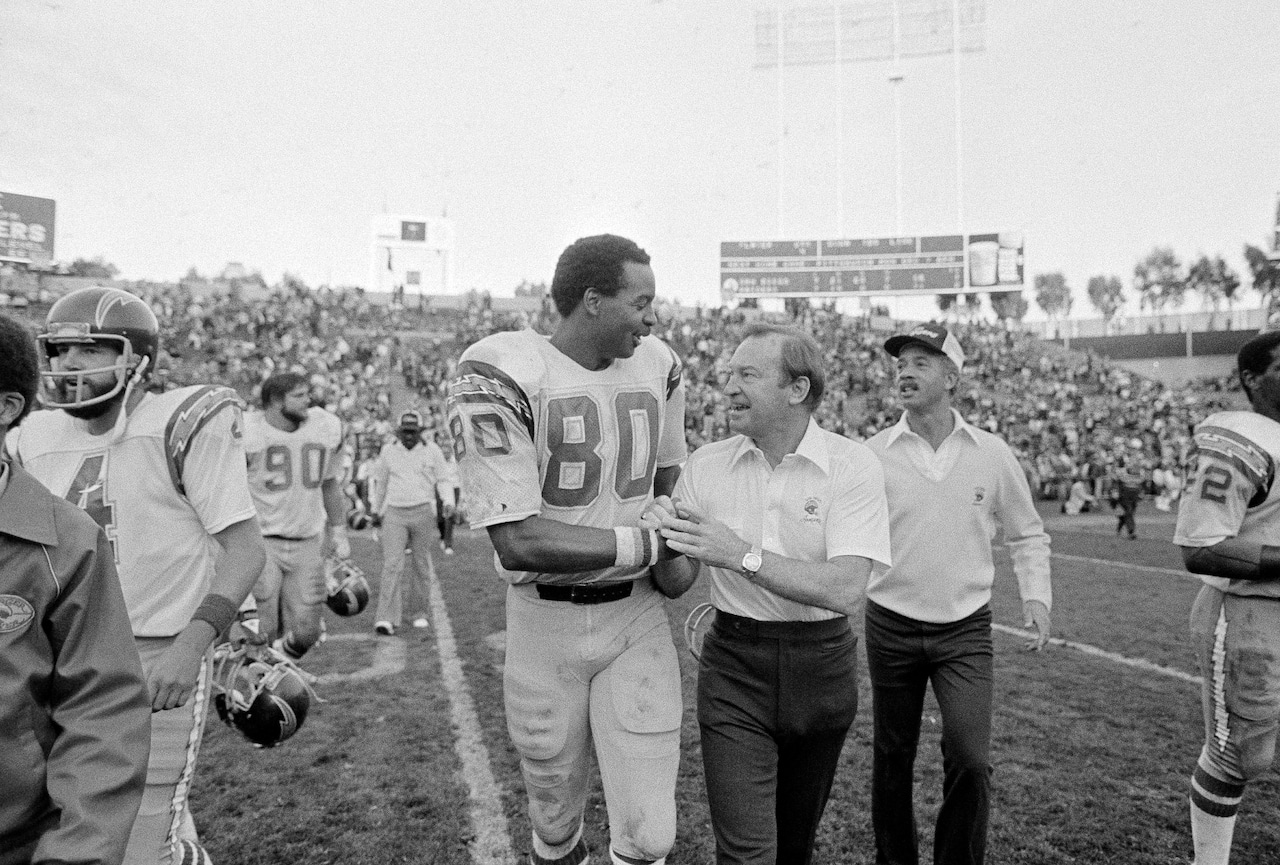 San Diego Chargers head coach Don Coryell, with tight end Kellen Winslow, pictured in 1981. AP
It makes for big plays and getting to the end zone a little quicker. Though, it also makes for turnover-worthy passes and contested catches, both of which have hurt the Browns in recent times.
Coryell’s scheme was at its best when he coached the San Diego Chargers from 1978-86, when they led the league in passing yards and points in consecutive years.
That is what Monken is a student of.
This is what Browns fans should study.
Air yards
Let’s draw back to the factor of big plays.
When done right, it’s a strength within the scheme. It can lead to big air yards and move the offense close to the end zone in a blink.
Monken was Tampa Bay’s offensive coordinator from 2016-18, and that 2018 Bucs squad only won five games.
However, the offense impressively finished 12th in points (24.8) when juggling between two different quarterbacks in Jameis Winston and Ryan Fitzpatrick.
Despite neither player starting a double-digit number of games, both still led the NFL in completed air yards: Fitzpatrick finished first (9.1 air yards), while Winston finished second (8.5).
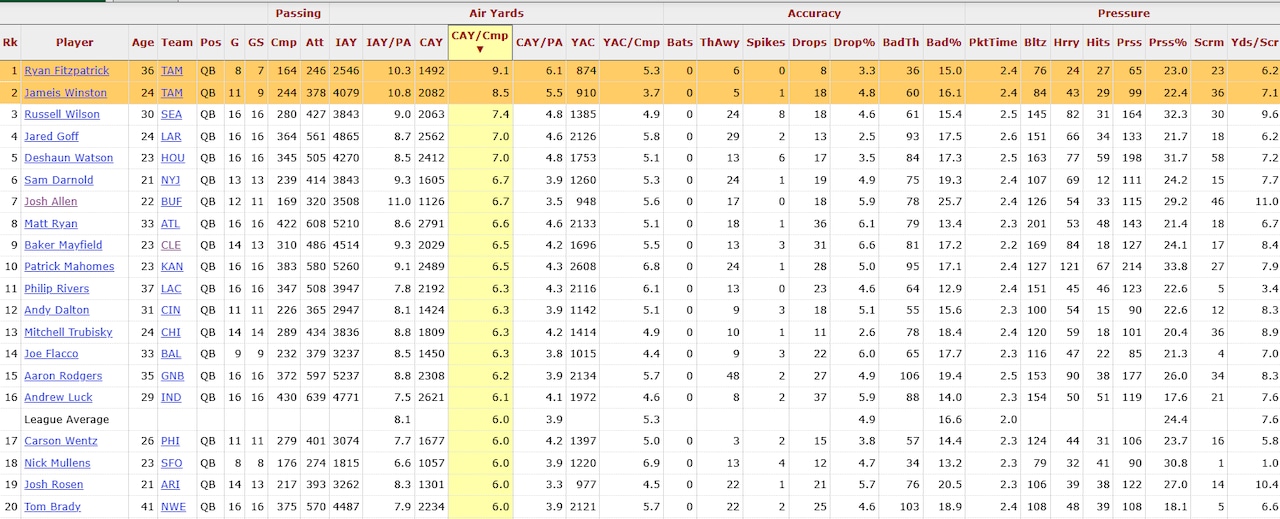 The rankings for quarterbacks in regard to completed air yards, per Pro Football Reference.Pro Football Reference
Monken carried that over to his three seasons with Baltimore, where the team tied for fourth in air yards in 2023 (6.3), ranked fourth in 2024 (6.6), and tied for fourth in 2025 (6.9).
An increase in air yards is always beneficial for an offense, but it’s even better when the quarterback is doing it at an efficient rate.
From Lamar Jackson’s 2019 MVP season and onward, his deep-ball rate had started to slip and hit a career-low 29.8% in 2022, before Monken took over in 2023.
Jackson rose in the ranks and finished 32nd in 2023 (31.7%), 22nd in 2024 (38.8%), and finishing ninth with a new career mark in 2025 (46.3%), per Pro Football Focus.
The run game
Though Monken’s offense prefers to live in the air before coming back to the ground, his track record shows an improvement in utilizing the run game.
After Monken’s time in Tampa Bay, where the run game was below average in his three seasons, the run game improved during his one year in Cleveland.
Monken did a solid job in using Nick Chubb in the offense, helping Chubb finish second in the NFL in total rushing yards (1,494), and tie for third in yards gained after contact (3.0).
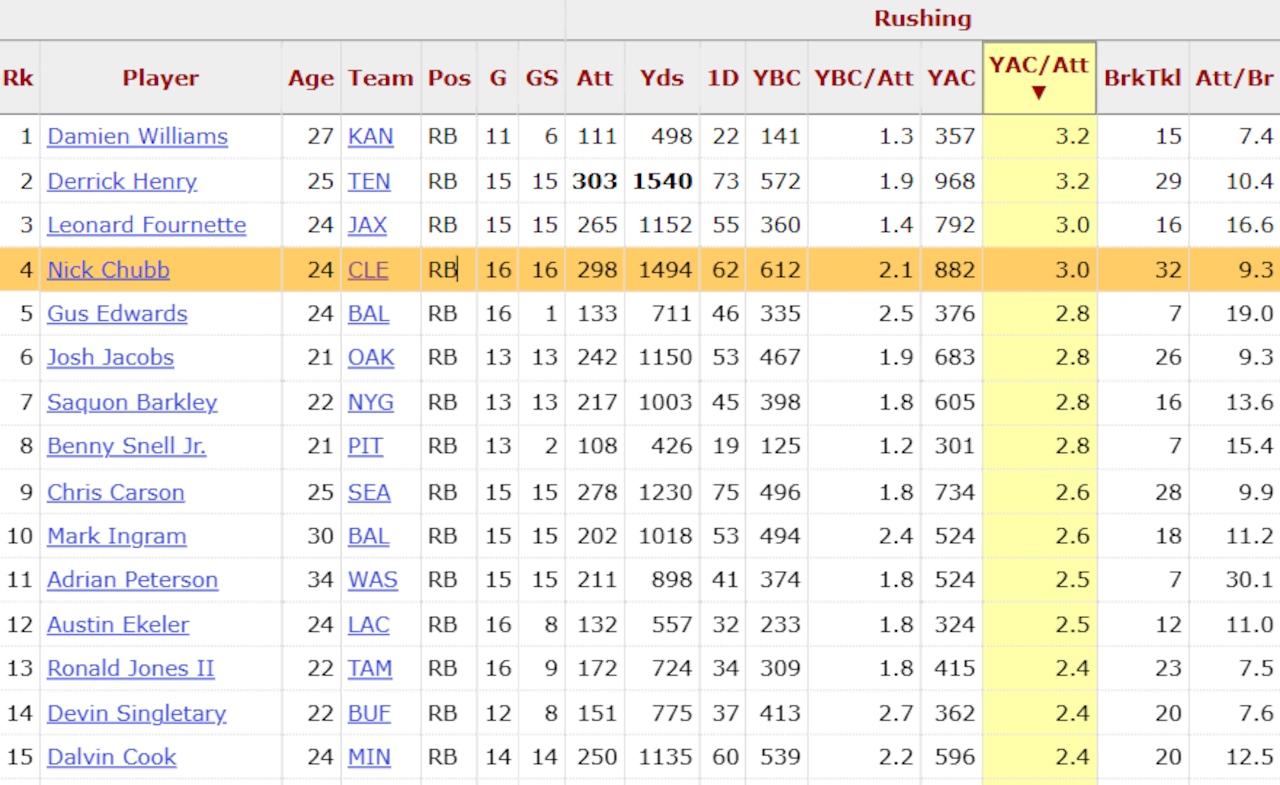 Nick Chubb ranked fourth in yards gained after contact was made, per Pro Football Reference.Pro Football Reference
One could say Monken simply used what he had in Chubb, and later in Baltimore, Derrick Henry. But it should be noted he didn’t limit either back’s production when coaching them.
The same went for Henry, who finished second in rushing yards in consecutive years.
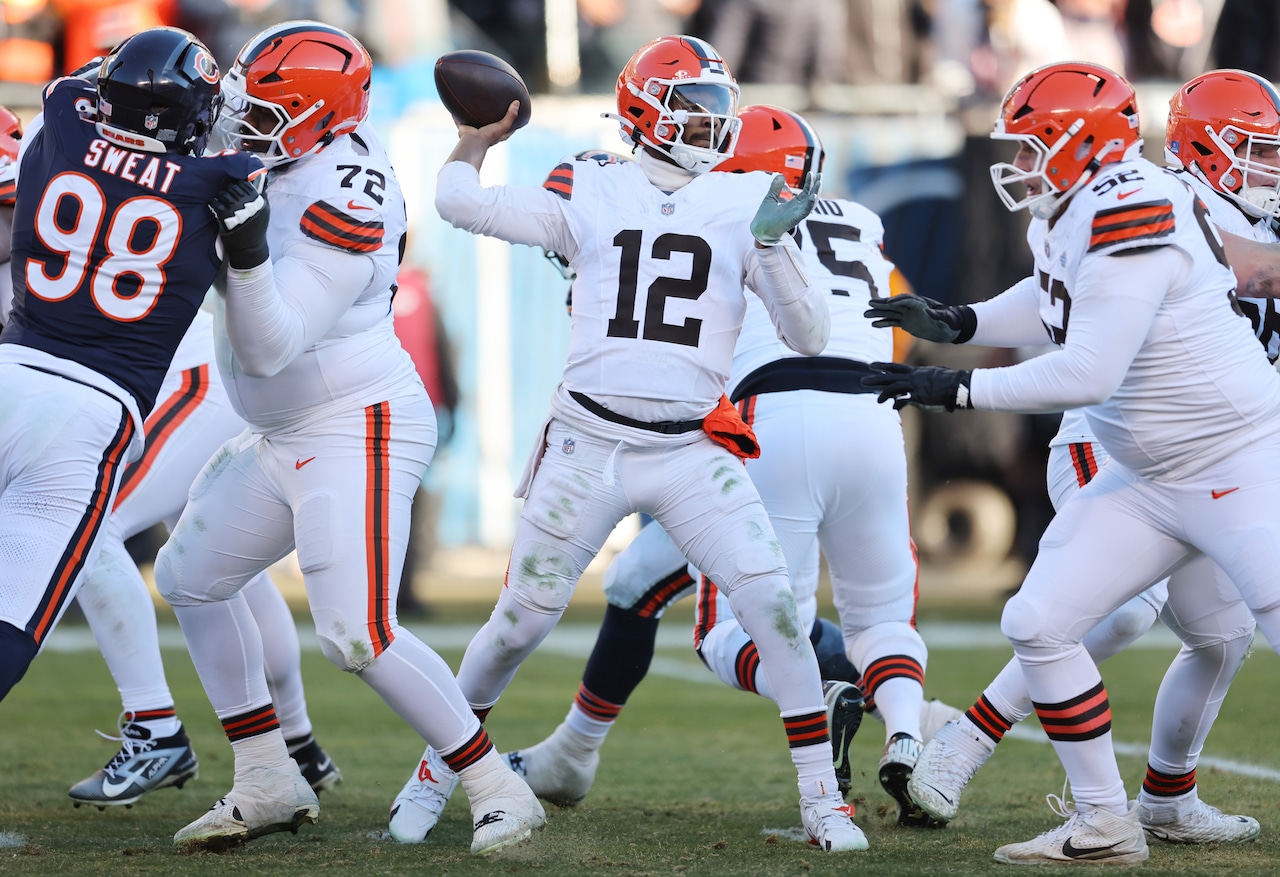 The Cleveland Browns held one of the worst offenses in the NFL in 2025.Jeff Haynes, special to cleveland.comCleveland’s offensive dilemma
Monken isn’t coming to a pretty offense.
The Browns finished 31st in points (16.4), 27th in rushing yards (97.0), and 31st in passing yards (165.1).
There was an emphasis in the pass game, tying for 15th in pass attempts (558) but ranking 31st in passing yards (2,807).
The offense ranked 28th in average scoring margin (-5.9) and 32nd in yards per play (4.3).
There are emerging stars in tight end Harold Fannin Jr. and running back Quinshon Judkins, but the latter is recovering from a fractured fibula.
The offensive line finished 18th in pass-block grading (71.3) and tied for 28th in run-block grading (51.7), per PFF.
Regarding air yardage, Shedeur Sanders tied for 33rd in the NFL in completed air yards (4.8), while Dillon Gabriel finished 39th (4.0). The league average was 5.8 completed air yards.
However, there’s no sign of who will be the starting quarterback.
Conclusion
Going into the offseason, it was clear the Browns’ offense needed a reset. The bar is low, but Monken can change this offense for the better.
Monken has seemed to get the best out of his quarterbacks within the deep-shot game, and his philosophy can bring Cleveland out of the mud in terms of offensive rankings.
Then again, Rome wasn’t built in a day.
Football Insider newsletter free trial: Take a minute and sign up for a free trial of our Football Insider newsletter, featuring exclusive content from cleveland.com’s Browns reporters.