
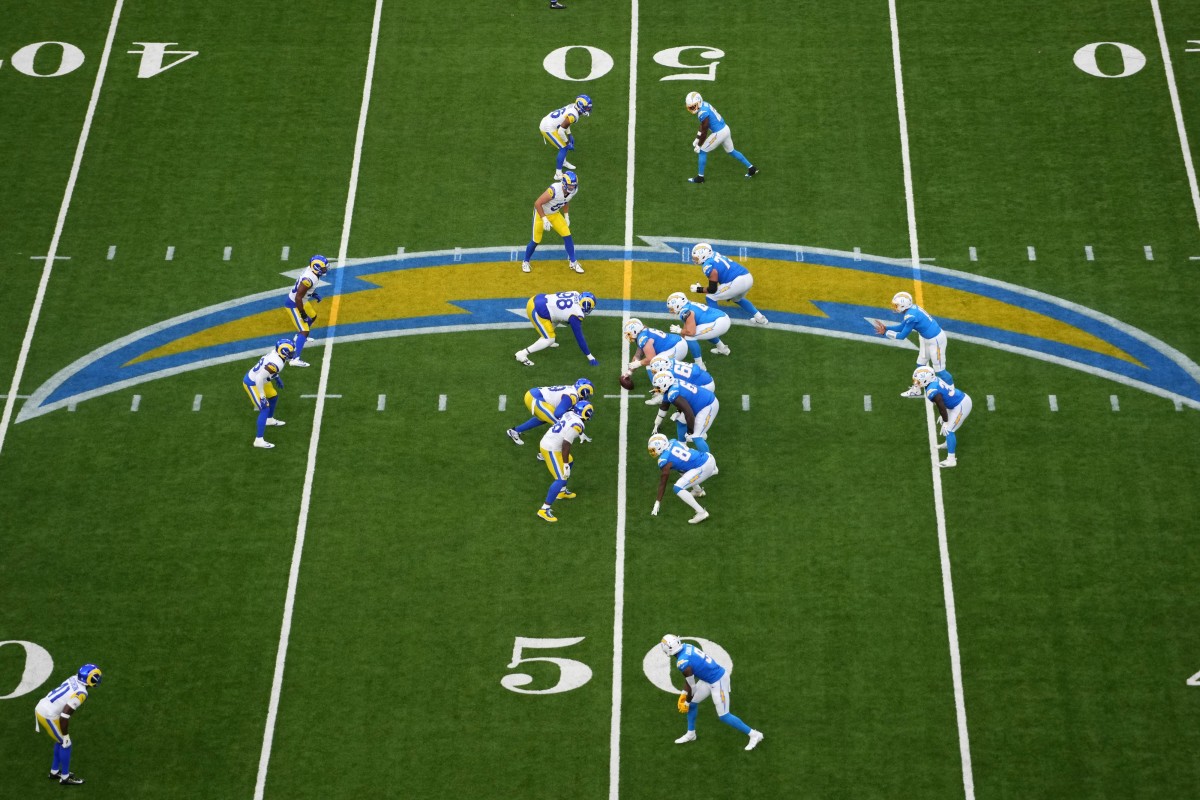
The Los Angeles Chargers remain one of the most discussed relocation stories in football. Their departure from San Diego after more than five decades still stirs emotion, especially since the team had strong roots in the city’s sports identity.
Many fans forget that the franchise actually began in Los Angeles in 1960 before moving to San Diego in 1961. That brief first stop in LA eventually set the stage for their return in 2017, marking one of the largest market shifts the NFL has seen.
Advertisement
For years, the Chargers pushed for a modern stadium solution in San Diego. Qualcomm Stadium, despite its history, became outdated by league standards. Ownership spent more than a decade pursuing upgrades or a replacement venue through various political channels, ballot proposals and private discussions.
Each attempt failed, leaving the team feeling boxed in while other franchises moved into state-of-the-art stadiums that generated massive revenue.
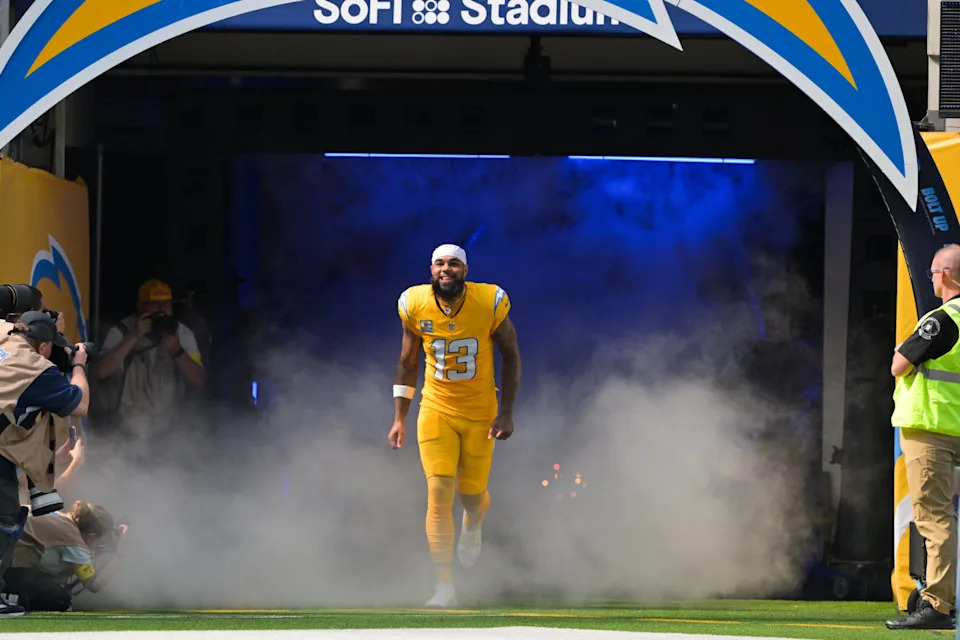
Los Angeles Chargers wide receiver Keenan Allen © Jayne Kamin-Oncea-Imagn Images
(© Jayne Kamin-Oncea-Imagn Images)The Long Road From San Diego to LA
By the mid-2010s, it became clear that San Diego could not meet the financial demands required to keep the Chargers competitive. The Los Angeles market, already familiar to the team from its earliest days, presented an opportunity. With the Rams also relocating and the Inglewood stadium project underway, the Chargers saw a long-term path that matched the league’s evolving business landscape.
Advertisement
The Massive Relocation Price Tag
NFL relocations do not happen cheaply, and the league made that very clear. When the Chargers officially relocated in 2017, the franchise was required to pay a staggering $645 million relocation fee. The Rams paid the same amount. Those payments, scheduled to run through 2028, were based on the projected increase in franchise value tied to the booming Los Angeles market.
The fee was so large that the remaining 29 NFL franchises each received tens of millions of dollars in distributions. It was a reminder that relocation is designed not only to benefit the moving franchise but also to balance the financial ecosystem across the league.
Advertisement
How Fan Perception Became Part of the Story
Because the Chargers had such deep roots in San Diego, the move was met with doubts across the NFL. Many fans outside the organization joked that the Chargers did not have a strong Los Angeles fanbase. Visiting teams often packed the stands, and opposing fan chants sometimes drowned out Chargers supporters. These moments fueled the narrative that Los Angeles belonged to the Rams while the Chargers were struggling to build traction.
Inside the organization, the picture looked different. Ownership believed long-term stability required Los Angeles’s corporate reach, media market size and stadium infrastructure. Over time, the team hoped that winning seasons and community investment would rebuild loyalty in their new home.
Advertisement
Los Angeles Chargers logo at the 2024 NFL Draft.© Kirby Lee-Imagn Images
(© Kirby Lee-Imagn Images)Why the Move Still Matters Today
Stadium politics continue to influence NFL decisions, and the Chargers’ relocation became one of the easiest examples of how market size and financial growth form franchise direction. San Diego’s loss became Los Angeles’ gain, but it also raised larger questions about how cities can keep teams without the resources and leverage needed to satisfy NFL stadium demands.
The Chargers are now firmly located in Los Angeles, sharing a modern home and receiving the financial benefits that come with it. But the emotional drama created in 2017 still remains, reminding fans how quickly a team’s identity can shift when business realities force difficult decisions.
Advertisement
Related: NFL Announces Punishment for Chiefs’ Kingsley Suamataia After Colts Incident
Related: NFL Announces Punishment for Bears WR DJ Moore After Steelers Game
This story was originally published by Athlon Sports on Nov 30, 2025, where it first appeared in the NFL section. Add Athlon Sports as a Preferred Source by clicking here.