
Kolby KickingWoman
ICT
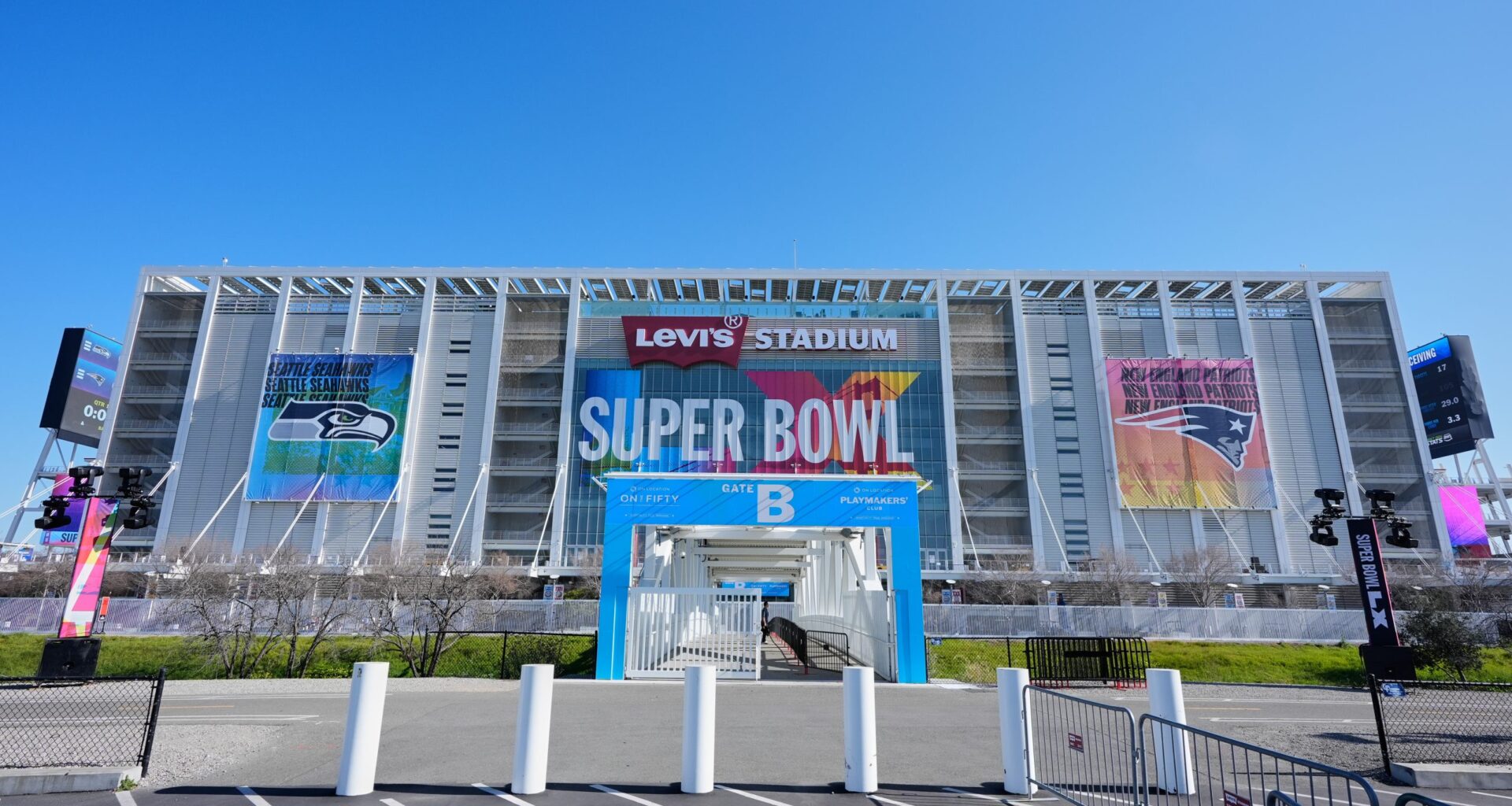
The biggest game in American sports is nearly upon us, with the Seattle Seahawks facing off against the New England Patriots in Super Bowl LX in Santa Clara, California, on Feb. 8.
Along with all the hoopla that comes with Super Bowl Week, there is also Indigenous representation both in and out of the game.
On Monday, prior to the Super Bowl, a trio of Native organizations partnered to put on the second annual Indigenous Girls Celebrity Flag Football Game.
Twenty-nine Indigenous girls from California, South Dakota and Arizona were set to participate against celebrities of Indian Country. The celebrity team roster included: Janee Kassanavoid, Comanche, a professional track and field athlete; muralist Lucinda La Morena Hinojos who is Apache and Yaqui and the first Chicana and Indigenous artist to collaborate with the NFL for the Super Bowl, according to the Native Youth Foundation; Chef Stephanie Pyet who is Prairie Band Potawatomi; and more.
Former NFL players Ahman Green who played for the Green Bay Packers and Cam Lynch, Haliwa-Saponi Nation, as former linebacker for the Los Angeles Rams and Tampa Bay Buccaneers, coached the teams along with Adrienne Smith, Cherokee, a gold medalist for the U.S. Women’s National American Football team.
Mike Stopp, executive director of the Native American Athletic Foundation, told ICT the organization has hosted four flag football clinics for Indigenous girls in the sixth to 12th grade and that the best senior athletes from those events were invited to participate in the exhibition.
The foundation has a partnership with the NFL and were asked in part to help develop women’s sports, specifically in flag football.
“This is the concept that we have developed, and we’ve been working with these other organizations who are already doing it well, came out, and his partners continuing to do these clinics, and these girls have a great time,” Stopp told ICT. “They get to go to the Super Bowl week. They get to participate in a number of different things, including media events and seeing what’s going on behind the scenes during Super Bowl week. So it’s an exciting time for them”
Another partner for this big event is the Los Angeles Chargers, who will be providing jerseys for the game.
“So we have big names and big leagues that are participating and helping these girls get better at the sport, but at the same time, show that they actually belong in the sport and they belong on the big stage,” Stopp said. “And so that is great, not just for the girls themselves, but for their little brothers and sisters, for their cousins, for their people back home. They see them. They see them on the big screen.”
The organization has also put on an all-star football showcase for Indigenous boys who are seniors in high school.
One of the things Stopp says they have learned over the years is that these events allow Indigenous youth to play in professional stadiums and rub shoulders with professional athletes. It shows them that they belong, that they have a seat at the table and that they can achieve their dreams at the highest levels.
“It gives the hope, and it gives the inspiration for young people to say, yes, as an Indigenous person, as a young Native, I can participate at this level and thrive.”
In the game itself, Seahawks defensive tackle Brandon Pili, Iñupiat and Samoan, will be vying for a Super Bowl ring. Brandon is brother to Alissa Pili who played in the WNBA for the Minnesota Lynx and Los Angeles Sparks.
While Brandon plays sparingly, he has the opportunity to join James Winchester, Choctaw Nation of Oklahoma, and Creed Humphrey, Citizen Potawatomi Nation, as recent Indigenous athletes to hoist the Lombardi Trophy.
And if the Super Bowl is the biggest game, the halftime show is America’s biggest concert.
Taking the stage this year is Bad Bunny, the Puerto Rican rapper, singer, and producer who recently made GRAMMYs history by winning Album of the Year with Debí Tirar Más Fotos.
Bad Bunny, whose name is Benito Antonio Martínez Ocasio, has ancestral Taino roots. He often speaks proudly of the island’s culture and occasionally incorporates Taíno-inspired fashion or symbolism into his performances.
Coming off a Grammy win for Album of the Year, Bad Bunny is sure to show out on the biggest stage.
Related