
MINOT — A few years ago, North Dakota State University was reporting massive revenue shortfalls due to declining enrollment.
In October 2022, President David Cook was
projecting a $10.5 million deficit.
The institution dealt with that shortfall through cuts and reorganization. What didn’t happen was donations from private entities aimed at keeping the academic mission at NDSU whole.
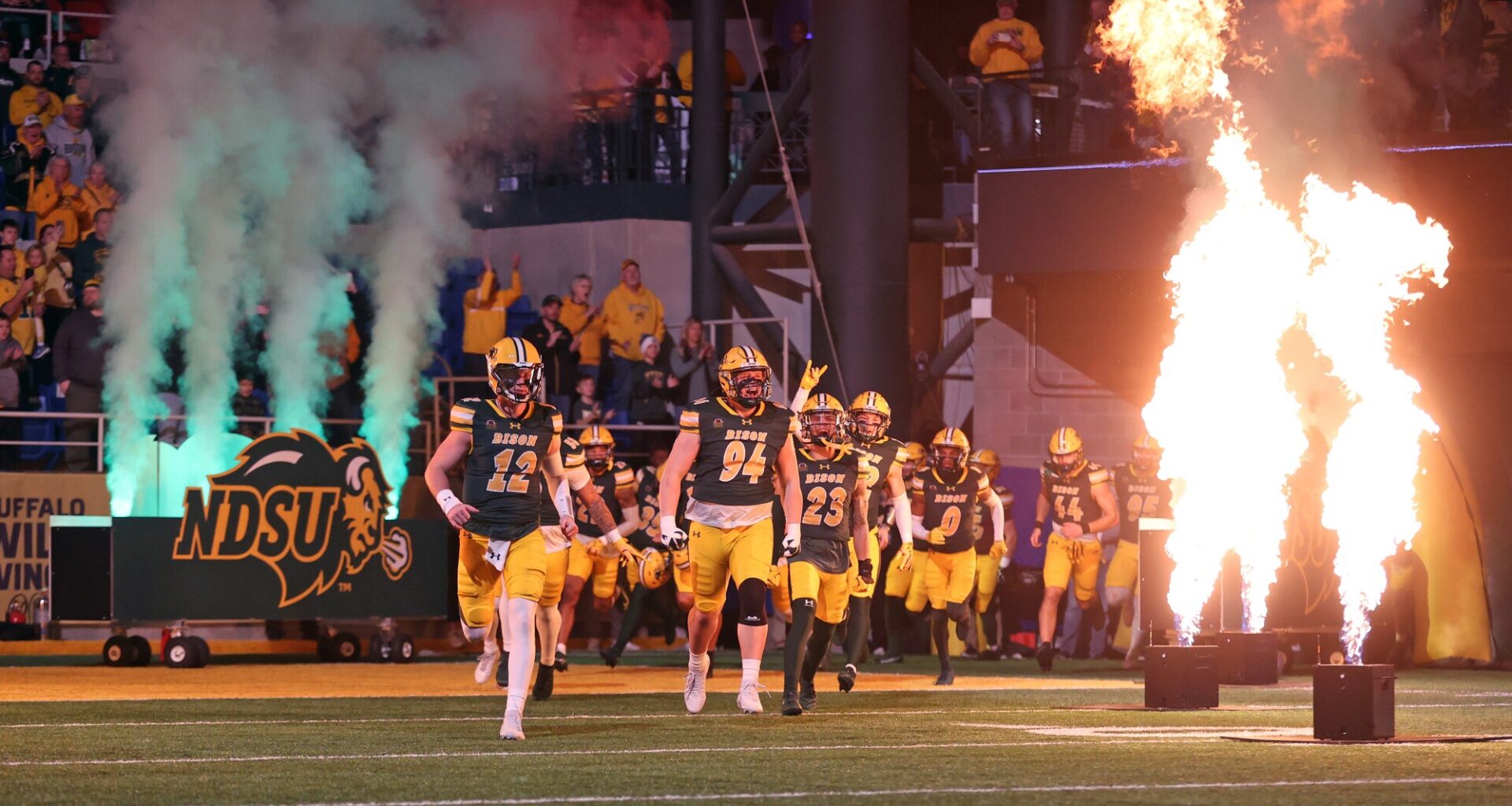
Keep that in mind as we consider the news that NDSU’s successful football program
is joining the Mountain West Conference.
That will cost the school $12 million in fees to the conference and $5 million to the NCAA, and the source of those funds is reportedly
“substantial donor commitments.”
Those sort of commitments are available for football, but not for academics, and isn’t that an indictment of our priorities as a society?
Collegiate sports in general are a racket that exploits students and the taxpayers to gratify fans and the panoply of business interests that profit from these programs. It’s widely reported that NDSU’s football team is
one of the greatest in the history of college sports,
yet despite all that success, the athletic programs at NDSU are heavily dependent on subsidies from students and the taxpayers.
According to self-reported disclosures made to the NCAA and
collected by the Knight Foundation,
NDSU athletics took in $29.95 million in revenues and spent $30.25 million. And keep in mind, a good chunk of those revenues — more than $9 million — came from general university revenues (that’s tuition and taxpayer funds) and student fees.
The big lie in collegiate sports — what the fans and the alumni, the administrators and even the sports reporters don’t want to talk about — is that the athletics programs at schools like NDSU make obtaining an education more expensive for college students.
The average student loan debt balance for North Dakotans in 2025
How much of that debt — whether it was accumulated at NDSU, or another school — went to subsidize athletics programs most students never participate in?
We don’t ask these questions, because sports like football are fun, and we’d rather focus on the fun. Belligerently, I might add. Out of all the controversial topics I write about — from abortion to LGBTQ issues to partisan politics — nothing earns me teeth-gnashing vitriol like a column about the sketchy finances of college athletics. People just want to enjoy game day, and they don’t want to think about what the students and the taxpayers are doling out to make it happen.
I want to be clear: This is not a NDSU problem. This is a higher education problem across the nation. But we could have a North Dakota solution.
What’s a little scary about NDSU’s conference move is that while the school apparently has donors covering the up-front costs, what about the long-term financial consequences? Will the students and taxpayers have to carry those? It would be nice if NDSU’s athletics programs could make money, but they never have before. Why would they start now?
We ought to make a law requiring that sports programs at public institutions survive on their own revenues.
It should be illegal for sports to make the cost of these institutions higher for taxpayers and, most importantly, students.
It will never happen, given how popular football and other sports are, but it should.

Rob Port is a news reporter, columnist, and podcast host for the Forum News Service with an extensive background in investigations and public records. He covers politics and government in North Dakota and the upper Midwest. Reach him at rport@forumcomm.com. Click here to subscribe to his Plain Talk podcast.