
It wasn’t always pretty for the New York Jets over the past month.
Then again, when is the NFL ever pretty?
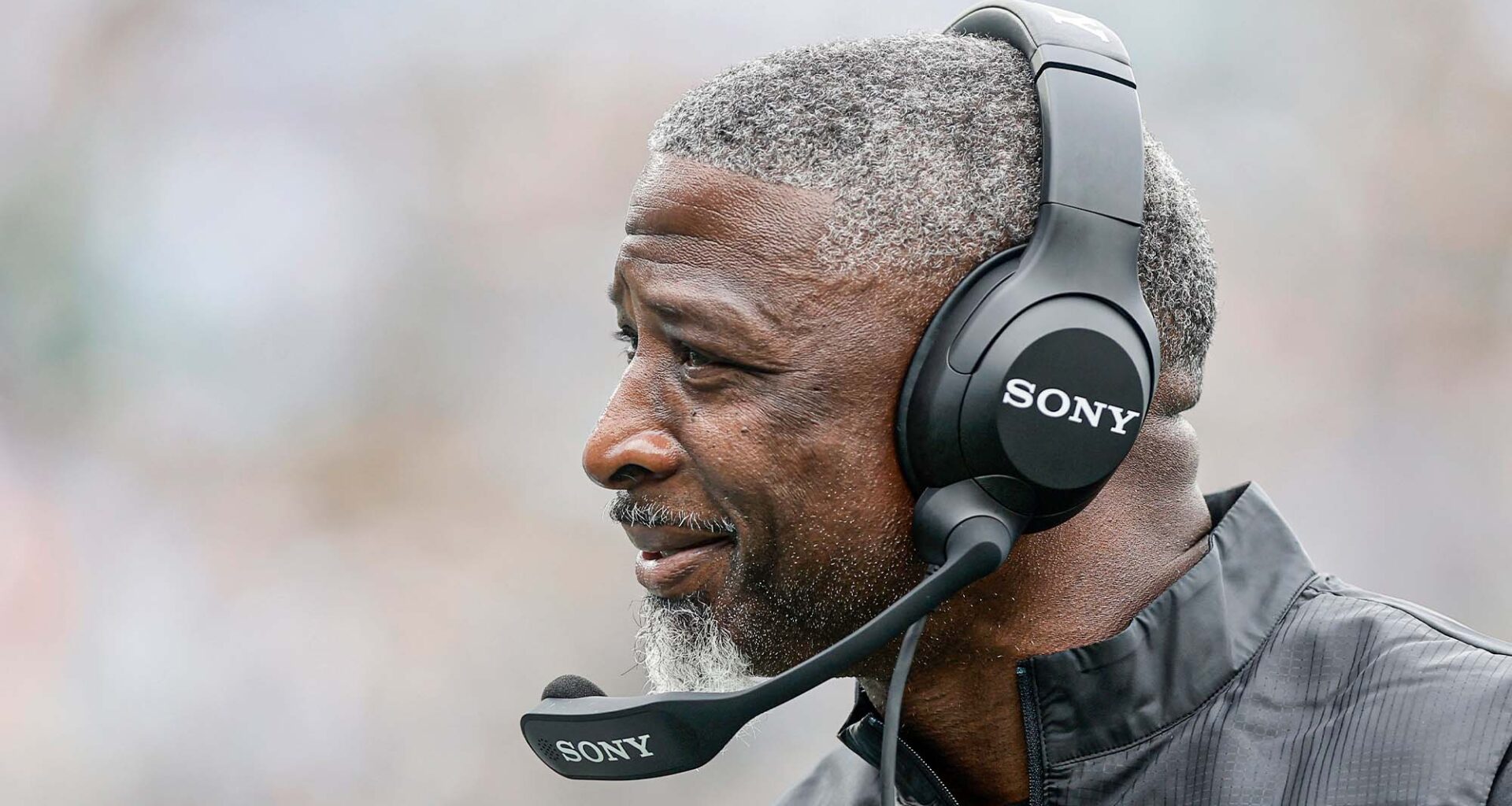
Head coach Aaron Glenn and the Jets announced the completion of changes to their coaching staff ahead of the 2026 season. After a dismal 2025 campaign that saw the organization win just three games, Glenn conducted a sweeping overhaul of his staff.
A new play-caller has been brought in on each side of the ball, each bringing a drastically different philosophy and background than their predecessor.
Ultimately, despite a tumultuous month, the Jets should feel confident about how their coaching staff ended up.
Jets upgrade staff
An argument can be made that the Jets have found upgrades at every single opening on their coaching staff.
Older minds with plenty of experience have replaced an inexperienced offensive coordinator and quarterbacks coach.
On defense, the Jets focused their efforts on top positional coaches, with Glenn projected to take over as the defensive play caller. They accomplished that feat. Karl Dunbar (defensive line), Ryan Slowik (safeties), and Ben Bolling (linebackers) all offer stronger resumes than their predecessors at their respective position groups.
Who could have imagined that would be the case when the month of January began?
Once the regular season concluded, it took the Jets a few weeks to decide which coaches would remain with the team and which would be relieved of their duties. That kind of indecision usually means there is no clear direction from the head coach and general manager on how they envision their changes over the offseason.
Three weeks after the season ended, the Jets opened up a search for their offensive coordinator role, parting ways with Tanner Engstrand after initially trying to strip his play calling duties.
Again, the Jets’ process seemed completely disorganized.
That’s the thing about offseasons, though. Even if a plan looks messy at the beginning, it could make a lot more sense once things play themselves out.
The Jets were able to fill out their coaching staff with a blend of experienced individuals and young coaches from promising backgrounds, such as pass-game coordinator Seth Ryan.
In this case, New York’s process was flawed, but the end result seems to have worked out.
The work isn’t done. The next step for New York is to bring in players who fit the coaching staff’s vision and can be developed properly. But there seem to be significantly better odds that the 2026 staff will develop said talent than last year’s inexperienced group.
It took a while, but the Jets have their 2026 staff, and it can be argued that the group is significantly better than last year’s. In the end, that is all that should matter going forward.