
An 18-game NFL season is coming. It’s not a matter of if but when it happens.
NFL commissioner Roger Goodell wants it. Team owners want it. And by and large, fans want it.
It’s going to happen, despite the posturing by NFL Players Association interim director David White, who recently said the union has “no appetite for a regular-season 18th game.”
The league and union will need to negotiate issues like roster expansion and extra bye weeks to mitigate the negative impact on player health and safety, and players will understandably want a cut of the extra revenue, but those are formalities. The 18-game season is an inevitability. The only variable is time.
Goodell set a goal of growing NFL revenue to $25 billion by 2027, and adding an 18th regular-season game to the schedule would seal the deal. It would increase the regular-season TV inventory by 16 games and allow the league to charge media partners more for the inventory. It would also make fans happy by trading a preseason game for a regular-season one in their 10-game season-ticket packages.
“We always say, ‘What do the fans want? What do the fans really think is important?’” Goodell said before last season. “And I think it’s clear they want more regular-season games versus preseason games.”
Such a move would create a ripple effect on the NFL calendar, though. It likely would push the Super Bowl to Presidents Day weekend. League officials believe that holding the Super Bowl on the three-day Presidents Day weekend would make it more convenient for people to travel to the big game and host Super Bowl parties.
“I think 18 weeks would get you to that point, and I think it would be a really great move,” Goodell said.
So when will it happen?
Some think it could come as early as 2027.
The lingering absence of a specific date for Super Bowl LXII in Atlanta is tied directly to the possibility of the season expanding for the 2027 season, according to a report by Mike Florio of NBC Sports.
Likewise, I’ve heard the league has asked cities that plan to bid on future Super Bowls to block out hotel rooms for three weeks in February in case the league schedule changes in 2029 and 2030.
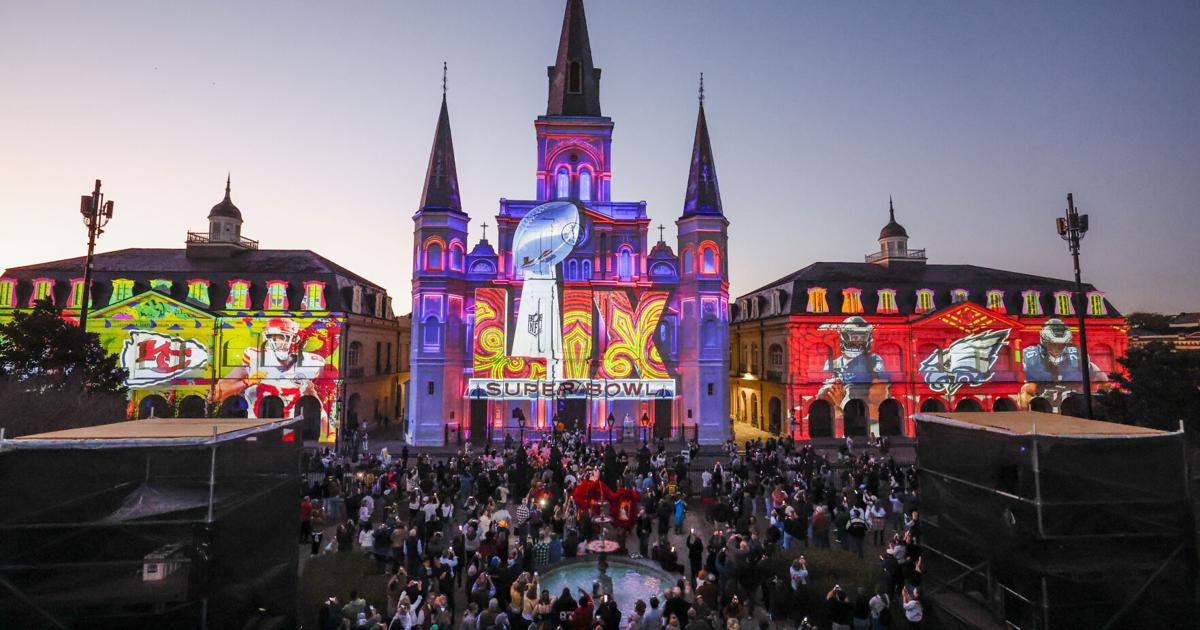
In most cities, having the Super Bowl pushed back to mid-February isn’t a problem. But in New Orleans, mid-February often means Mardi Gras. And that could be something the city has to deal with if the NFL expands the regular season to 18 games and pushes the Super Bowl into mid-February.
Nevertheless, Jay Cicero, president and CEO of the Greater New Orleans Sports Foundation, says we need not worry.
“We don’t know what the NFL is going to do, but we’re not concerned with it,” he said.
Cicero said he and his staff have considered all future options, even in 2031, which is the city’s next Super Bowl target. If the NFL goes to an 18-game schedule, it would likely push the 2031 Super Bowl to Feb. 16. Mardi Gras Day is Feb. 25 that year.
“We’re not concerned with it,” said Cicero, who, along with New Orleans Saints officials, helps spearhead the city’s bid for Super Bowls. “We can handle it.”
There is precedent here. In 2002, the city moved Mardi Gras parades to accommodate the Super Bowl after it was moved back a week because of 9/11-related delays. Parades scheduled for the weekend of the game were moved to the previous weekend to manage security, traffic, and police resources. The city compensated Carnival krewes for losses.
Similarly, Cicero said city officials have plenty of time to plan around any potential conflict in the future. He said his staff has plotted out the potential scenarios for future Super Bowls in case an 18-game NFL season becomes a reality. It’s nothing the city can’t handle with proper planning.
“It won’t affect us any more than it has in the past,” Cicero said. “Mardi Gras always moves around. It’s the same challenge we have for every other event.”
Let’s certainly hope so. New Orleans is famous for hosting Super Bowls and Mardi Gras. No one wants it to become an either/or proposition.