
Feb. 19, 2026, 12:24 p.m. CT
The NFL had its first significant date on their offseason calendar with the opening of the franchise and transitional tag day, which runs through March 3. It’s an important few weeks for the Dallas Cowboys, who are expected to place the franchise tag on wide receiver George Pickens as they presumably try to work out a long-term deal.
Free agency and draft season are also arriving soon, where the Cowboys are preparing to rebuild their defense under defensive coordinator Christian Parker. His specialty since entering the league has been working with the secondary, which in Dallas could use a bump in elite talent. And if the Cowboys are focused on adding a top-notch player or two for their secondary, this offseason could look eerily similar to 2012 version.
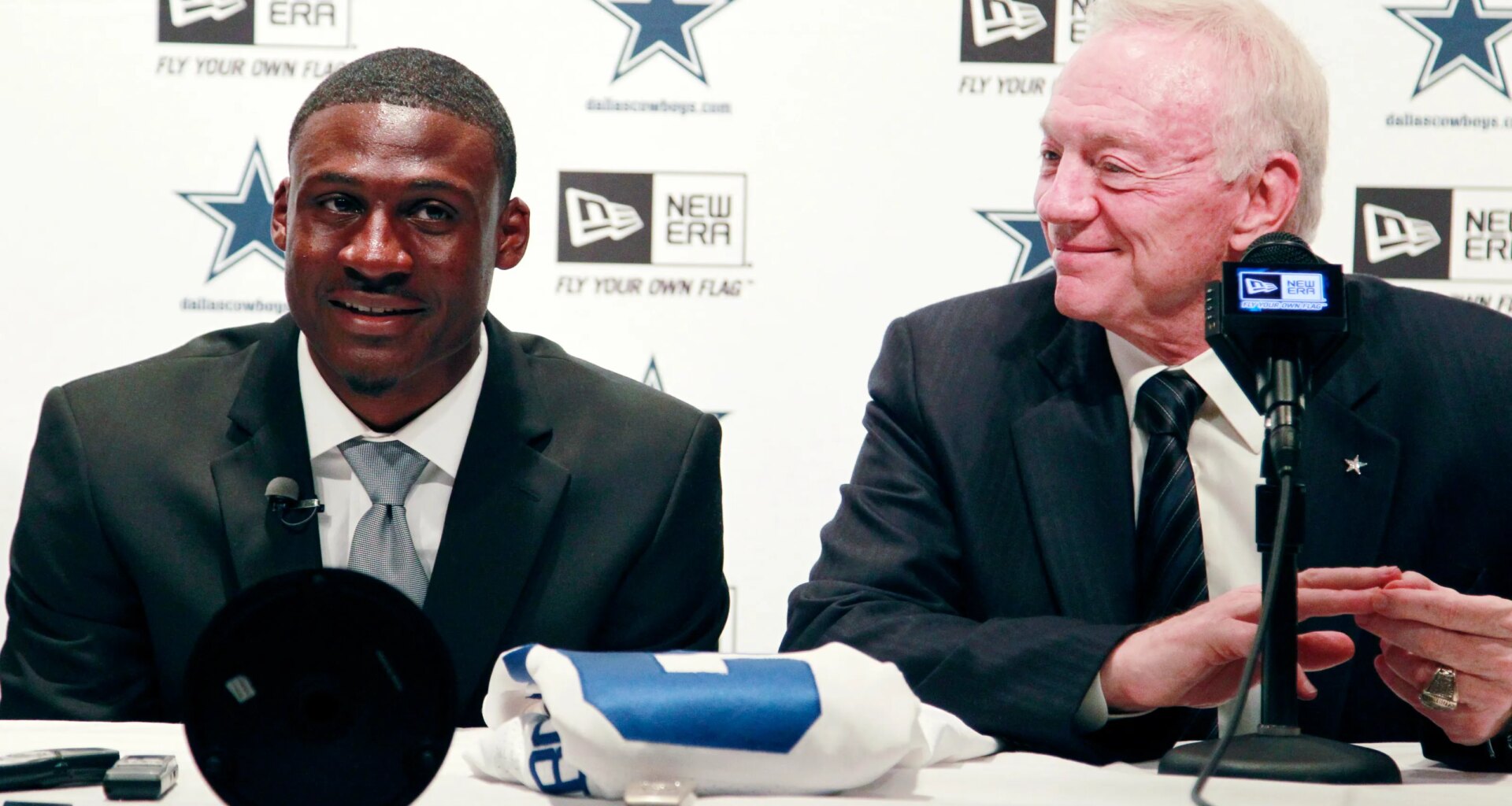
Cowboys fans might remember that 2012 was the last time the organization was really proactive in free agency and signed a player for more than $6 million a season annually. The team had a busy offseason that year, signing eight free agents, four of which were given significant monetary deals, and culminated with the prized signing of Brandon Carr. The cornerback inked a five-year deal worth over $50 million, with $26.5 million guaranteed. Since then, it has been a long 13+ years of cheap deals and free agency periods where Jerry and Stephen Jones haven’t been aggressive in acquiring top talent.
That might be ending this offseason.
Jerry Jones has said Dallas will bust the budget this year, something that fans will believe when they see it happen. If it does, the 2026 offseason could evoke memories of the 2012 offseason, where the Cowboys used the franchise tag, spent money in free agency, and traded up in the draft to secure a big time talent for the secondary.
Expert NFL picks: Exclusive betting insights only at USA TODAY.
In 2012, the Cowboys used the franchise tag pass rusher Anthony Spencer, who wound up playing under the designation for the season. There appears to be a similar path for Pickens, who is expected to get the franchise tag.
Jones has hinted at busting the budget in 2026. Does Jones mean he’ll attempt to add one high-priced, outside signing or try for a few expensive additions? That isn’t clear, but any big splash in free agency will bring back memories from the 2012 offseason.
Then comes a more interesting part of the 2012 equation, a possible draft trade.
In that draft, Dallas traded up from 14 to the sixth pick, which they used on the consensus best cornerback prospect, LSU’s Morris Claiborne. In that deal, the Cowboys traded their first and second round selections to move up for Claiborne, who didn’t turn out to be as good as the team hoped.
It was a big move for the Cowboys because they were rebuilding the secondary. The team lost CB Terence Newman and safety Abram Elam in free agency that offseason and replaced them with Carr and Claiborne at CB, while also signing Brodney Pool at safety.
Recently there was a similar trade making the rounds on social media about the Cowboys trading away their two first round picks to the Cleveland Browns, for the sixth pick overall, and the 39th selection, which comes in the second round. The Cowboys would then use the sixth pick in the draft on Ohio State safety Caleb Downs.
The Cowboys helping the secondary rebuild with a prospect who draft experts suggest is the best overall player is a move that could make people reminisce about the Claiborne trade. Ironically, it’s the same spot in the draft as well.
Right now, it’s only hypothetical, but if the Cowboys want to make a big move in the draft, they have ammunition to do it. Thankfully in this scenario the Cowboys get back a second-round pick, which helps a team currently void of Day 2 selections.
A tag, a trade and outside free agents paid, just like the good old days when Jones had a little more gamble in him. This offseason for the Cowboys could be recreating a template the team followed in 2012.

Follow Cowboys Wire on Facebook to join in on the conversation with fellow fans!