
This story is part of Peak, The Athletic’s desk covering the mental side of sports. Sign up for Peak’s newsletter here.
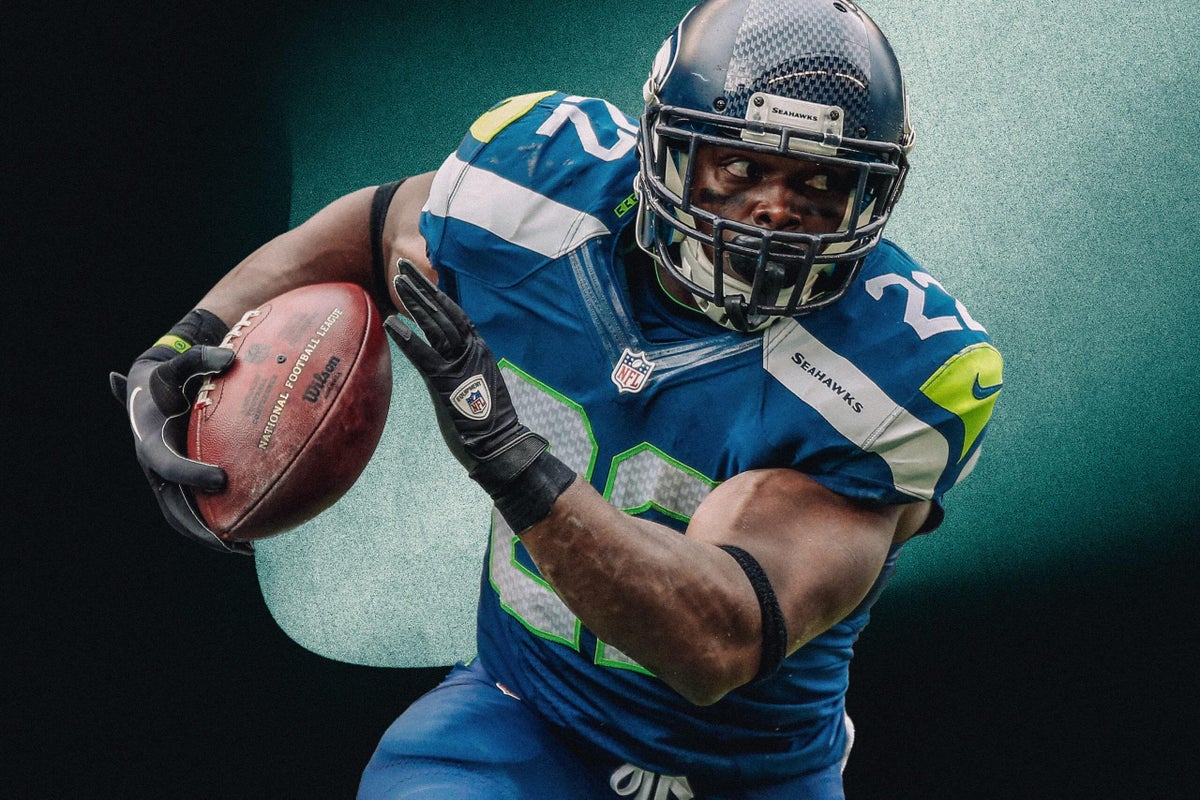
Seattle Seahawks general manager John Schneider still reminds Robert Turbin about his interview at the NFL combine 14 years ago.
Near the end of the 2025 regular season, Turbin, a former running back who played eight seasons in the NFL, including four for the Seahawks, bumped into Schneider before a game.
Schneider has worked in the NFL for over 30 years, including as the Seahawks’ general manager since 2010, and has done hundreds of interviews with prospects. He has also won two Super Bowls with the Seahawks.
“And he said, ‘Man, to this day, you were my best interview,’ ” Turbin said.
The NFL calls the combine the “ultimate four-day job interview.”
For Turbin, the experience was eye-opening. Sitting across from coaches and executives, he realized that teams weren’t just evaluating his speed or strength — they were assessing his decision-making, self-awareness and ability to fit into a culture.
“I swear, some guys might have run a 4.6 (40-yard dash), but it was like, ‘What type of person is he?’ ” Turbin said. “The way he leads, the way he conducts himself — that’s what ended up getting you drafted.”
Every year, there are stories of awkward or disastrous NFL combine interviews. Turbin is the opposite: A player whose interviews helped him.
Heading into the combine in 2012, he was coming off a standout junior season at Utah State. He was projected as a middle-round draft pick, the kind of player who can boost their stock during the interview process. He watched players who carried themselves well earn spots over talented players who did not.
“They were like, ‘We can teach them how to block a defensive end and keep his hands inside, but we appreciate the person more,’ ” Turbin said. “I’ve noticed it’s a similar approach in the job world.”
Since retiring from the NFL in 2019, Turbin has interviewed for roles with the NFLPA, Visa and in tech sales. The fundamentals are the same, and the lessons he learned still apply: leveraging the anecdotes from his life, treating it all as a conversation and being professional but authentic.
When Turbin walked into his interview with the Seahawks, he decided he would just be himself.
“I just thought about it as a conversation,” he said.
They already knew everything measurable about him. They knew his height. His weight. His stats. What they didn’t know was who he was. That was what he wanted to use to his advantage.
Turbin was raised by his father, Ronald, a pastor who forced him to speak in front of the church while critiquing his projection and body language.
“My dad was always on top of me about a firm handshake, looking people in the eye,” he said.
Turbin also played the drums growing up, so he felt comfortable in front of audiences.
When then-Seahawks coach Pete Carroll asked him about his leadership style, he knew where to start. He explained that effective leadership starts with understanding your personal style — something shaped by life experience.
Those experiences, he believes, are what teach people who they are as leaders. He went on to talk about service leadership and being selfless as a player. More importantly, he pulled a story from his past to connect Carroll and Schneider to what he was saying.
At Utah State, Turbin understood he faced a challenge getting noticed by NFL teams. The school was much smaller and less well-known than football programs in the SEC or Big Ten.
Before his redshirt sophomore year, he called his dad and explained that he wouldn’t be coming home for spring or summer break. He wanted to pour himself into his training.
He had a breakout season and was named the Western Athletic Conference’s player of the year.
“I kept that sacrifice until I graduated college, when I finally went back home to see my family,” Turbin said. “I think that was just something that they were impressed about, what I was willing to sacrifice to be the best that I could be.
“I think that’s probably what stood out to them. My stories.”
It’s one of the tips Anna Papalia, a job interview coach, recommends. “You don’t have to have long drawn-out stories for every answer,” she said, “but even short stories that illustrate your strengths and your weaknesses.”
Papalia wrote a book on interviewing (Interviewology: The New Science of Interviewing), conducted research for years and taught at Temple University. Although she doesn’t recommend not preparing much for an interview, as Turbin did, he did manage to hit on a couple of her main points.
“The key to succeeding at a job interview is developing your self-awareness,” Papalia said. “The more you know yourself, the better you’ll do.”
The most effective way to reach this point, she said, is through practice, specifically by recording responses to questions aloud. Listening back to those can reveal patterns and anecdotes that lead to deeper self-understanding.
Looking back, Turbin sees the combine not just as an evaluation of athletic ability, but as his first master class in professional development.
He’s also noticed many of the same questions in job interviews outside of football: How would you describe yourself? What do you value in a culture? What kind of leader are you? And what style of leadership do you respond well to?
Not all the questions at the combine translated to the real world: Cincinnati Bengals coach Marvin Lewis asked him who he would save if his house were on fire, his mother or sister.
“You have to be able to practice patience and composure,” Turbin said, “and not allow yourself to kind of get outside of who you are.”
His advice for anyone preparing for a big job interview: the most important thing is to be yourself.
“Either someone’s going to like you or not,” he said. “Just like sports. Be yourself.”