
The Dallas Cowboys defense may finally be moving toward the identity fans have been asking for.
For years, I’ve heard the same frustration: why does this team struggle against physical offensive lines when the games matter most? Why does the defense look fast in September but worn down in December?
Christian Parker may be the coach who changes the narrative.
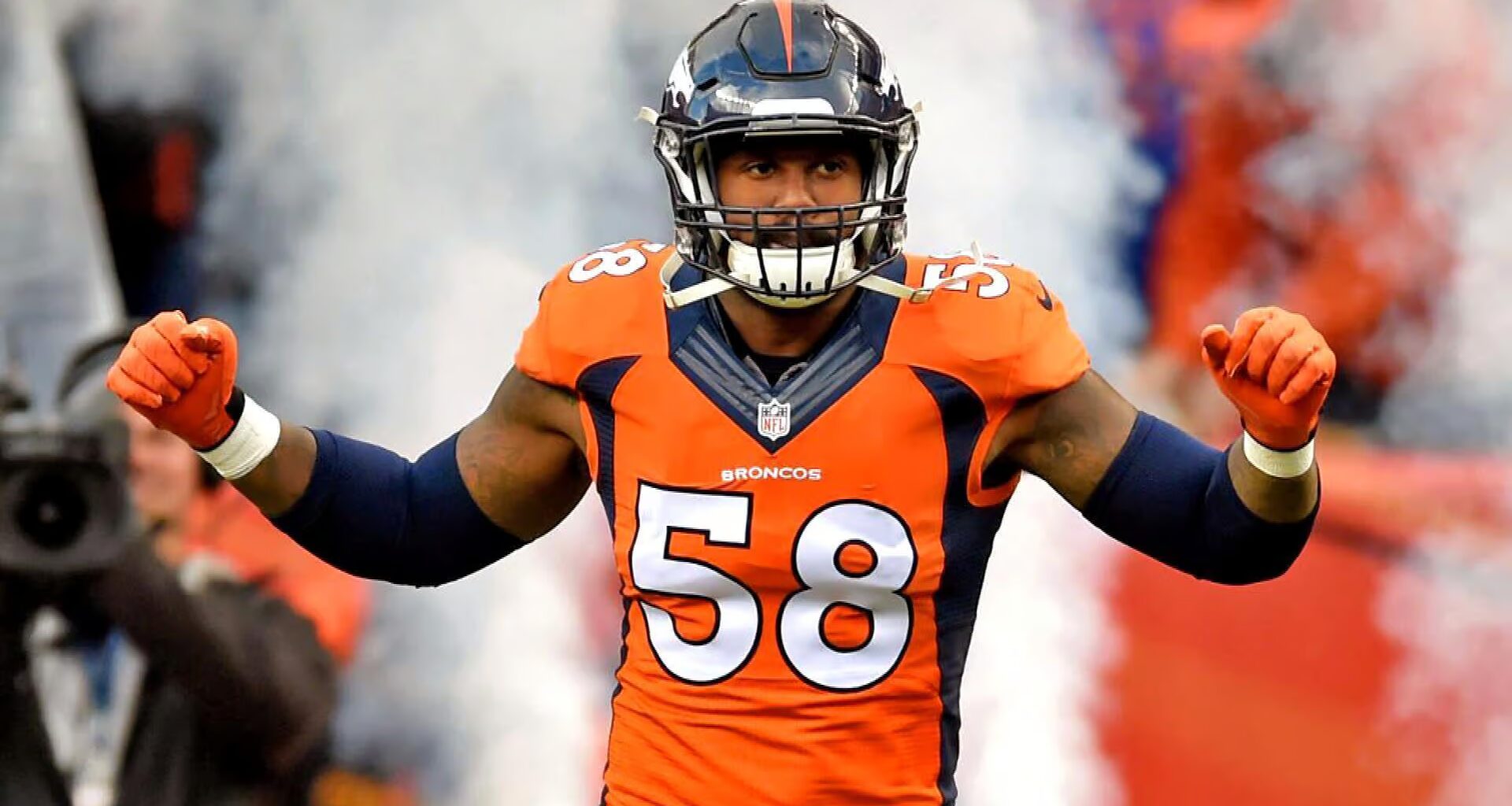
When I went back and looked at Parker’s coaching history, from the Green Bay Packers (2019-2020) to the Denver Broncos (2021-2023) and the Philadelphia Eagles (2024-2025), I don’t just see the schemes.
The thing that stood out to me the most was the types of players these defenses deployed throughout the front seven.
I see a consistent blueprint that could shape the Dallas Cowboys defense in 2026.
That blueprint starts in the trenches.
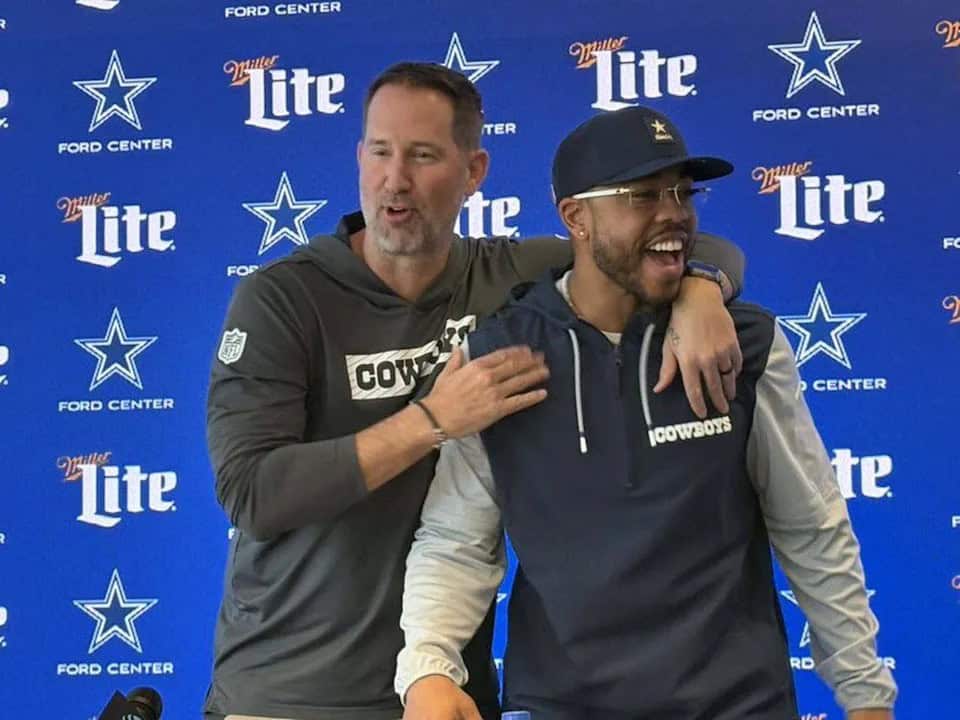
Christian Parker Defense Philosophy: Size Sets the Tone
I found these body types showed up in Green Bay, Denver, and remained consistent in Philadelphia.
If you go back and look, you will find different cities, coordinators, but the same physical profile.
That tells me Christian Parker has been around certain types of players at positions, so when it comes to roster construction, he will work with what he’s comfortable with.
Built Through the Interior
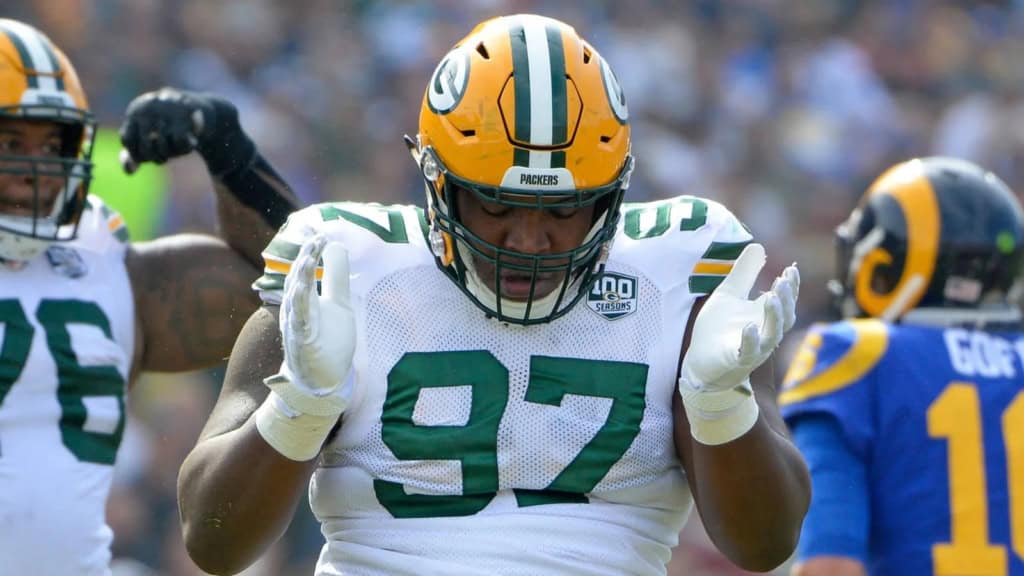
In Green Bay, the defensive tackles frequently lived above 310 pounds. You will never guess who one of the tackles was. None other than our man, Kenny Clark, who everyone wants to get rid of.
You could watch true nose-type bodies anchoring the middle and linebackers flow freely.
When Parker moved to Denver, you would not find any players lighter than 305 in the middle of the line, and they topped out at 330 pounds. These players weren’t built for splash plays, they’re built to control and absorb.
When you control the interior, everything behind it plays faster.
Stronger Edges, Not Just Faster Ones
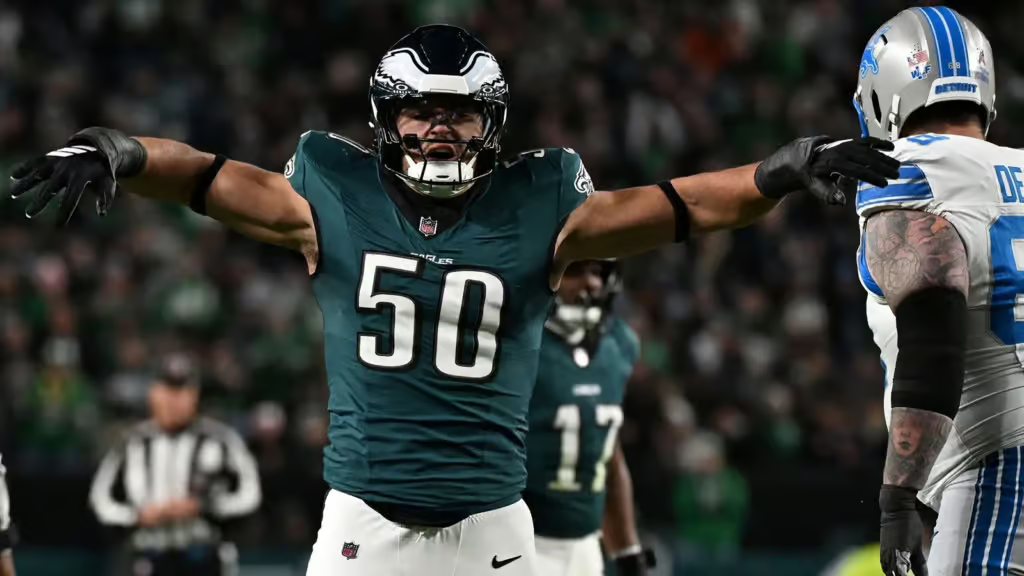
The defensive ends Christian Parker has seen in the defenses he has been a part of weren’t 255-pound speed specialists. Most I found sat between 275 and 285 pounds. They could rush the passer, but could also set the edge.
The hybrid edge defenders, or outside linebackers, carried 250-plus pounds and had length. They weren’t just trying to run around tackles, they were converting speed to power and collapsing pockets.
If that philosophy holds up in Dallas, the Cowboys defensive front seven won’t just chase sacks. It will squeeze the pocket, hold contain, and force offenses to earn every yard.
That is a major mentality shift compared to what we have seen the last two years.
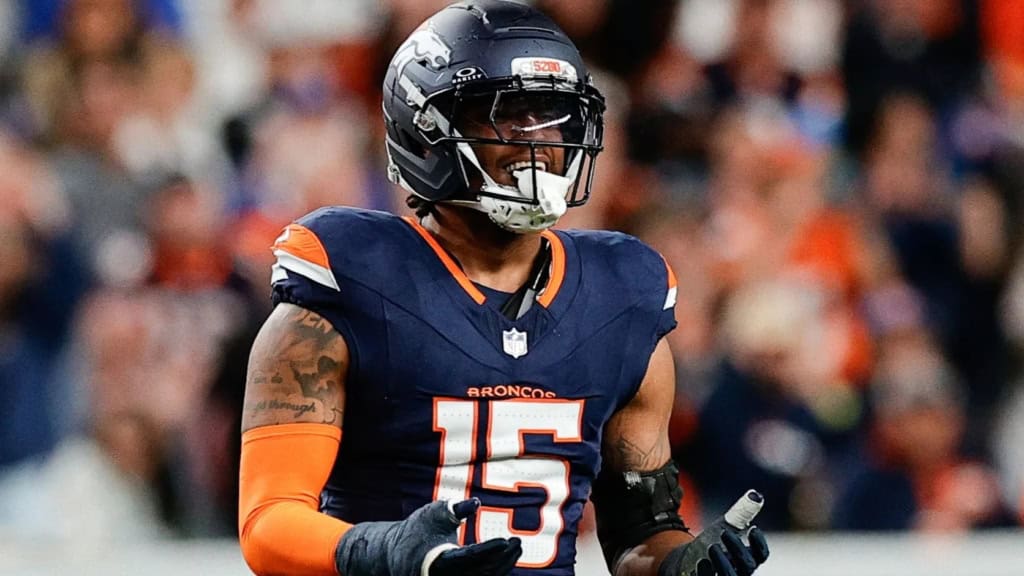
Linebackers Built to Survive
The off-ball linebackers in previous stops for Christian Parker I’ve found to be in the 230–240 pound range.
That is the modern sweet spot for linebackers.
The size allows them to take on guards, athletic enough to carry tight ends, and durable enough to last a full season.
I don’t see 215-pound run-and-chase linebackers in Parker’s history. I see balance and strength without sacrificing range.
For a Dallas Cowboys defense that has battled inconsistency at linebacker in recent seasons, that size profile matters.
What This Means for the Dallas Cowboys Defense
If Christian Parker leans into the blueprint that he has seen in Green Bay, Denver, and Philadelphia, the shift could be noticeable in Texas:
310+ pound defensive tackles anchoring the interior
275+ pound defense ends setting the edge
250-265 pound hybrid edge rushers built for power
230-240 pound linebackers built to handle traffic
This will not be a finesse unit. It will be a defense built to dictate the line of scrimmage.
I feel like, as fans, we have been asking for that kind of toughness when December and January football exposes weaknesses in the trenches.
The Dallas Cowboys defense doesn’t need to get faster, it needs to get harder to move.
If Christian Parker commits to the blueprint he’s been around for years, the next time this team lines up, they won’t be hoping to hold up. They will be the ones delivering the hits.
Was this helpful?