
Getty
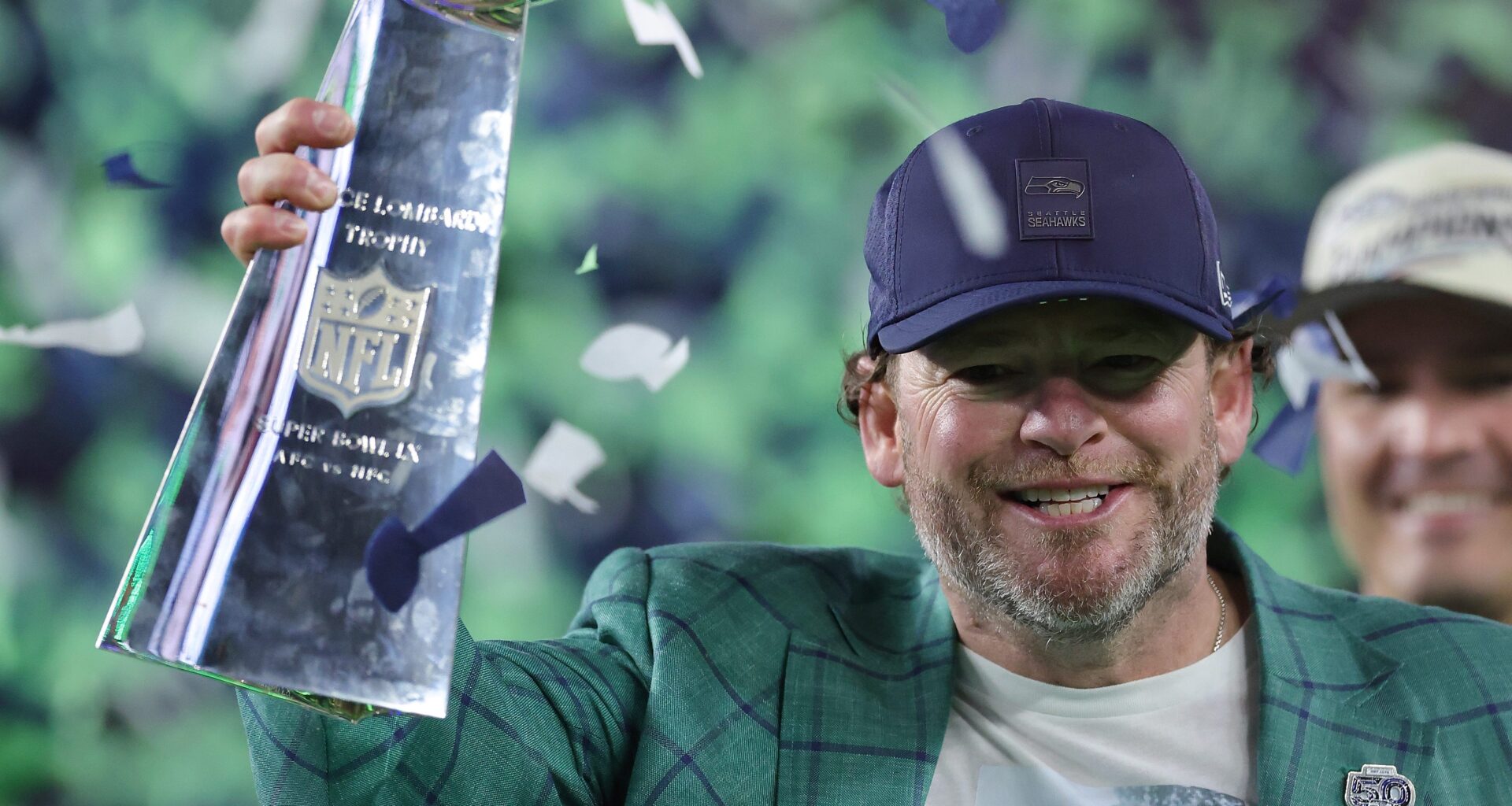
Seattle Seahawks fans may be wondering what happened at the NFL Combine 2026, the simplest answer is: the on-field workouts wrapped Sunday in Indianapolis, and Seahawks GM John Schneider basically admitted the modern Combine is built so teams don’t even have to be there anymore.
Schneider told Seattle Sports’ “Wyman and Bob” that after getting through league meetings, media obligations and agent conversations, he preferred returning to Seattle and watching workouts on TV, partly because the broadcast/tech has become so good, and partly because the Combine floor is a nonstop gauntlet of people trying to corner you.
The Combine just ended (Feb. 26-March 1), and free agency is around the corner, which is exactly when GMs turn this week of data into a real board and real decisions.
Seahawks News: What happened at the NFL Combine 2026: the schedule, the groups, and the point of it
The 2026 NFL Scouting Combine ran Thursday, Feb. 26 through Sunday, March 1 at Lucas Oil Stadium in Indianapolis, with position groups rotating each day (DL/LB, DB/TE, QB/WR/RB, then OL).
That matters because when fans say “Combine,” they usually mean the televised 40s, jumps and drills, but for teams it’s also measurements, medical, interviews and background checks. AP noted 319 prospects were invited this year, and the workouts were just one slice of the evaluation.
John Schneider’s big Combine takeaway: the league is built to scout remotely now
Schneider’s most telling line wasn’t about a specific prospect; it was the idea that teams can “get more out of” watching the workouts on TV now.
That’s the “new Combine” in a nutshell: the league’s broadcast angles, timing systems, and drill coverage make it easier to study movement details (and rewatch them), while teams handle much of the interview process through staged touchpoints, all-star games, pro days, Zoom calls, and coach/scout run-throughs.
If you watched this weekend and thought “I still don’t know who helped themselves,” you’re not crazy. Teams are stacking this weekend’s numbers on top of months of tape and interview work, not replacing it.
NIL changed Combine interviews, and Schneider says prospects are “more professional”
Schneider also hit a topic that explains why Combine coverage feels different now: NIL has changed how prospects present themselves.
He described prospects as more prepared and more candid about money and life pressures, and he added that the whole process has evolved from older “pressure interview” tactics into something teams have to handle carefully.
The other thing that happened: “sleepers” are harder to find, because everyone has the same info
If your favorite part of the Combine is the “who is this guy?” moment, Schneider basically said those surprises are rarer now.
He explained the old “workout warrior” path — where a late-blooming athlete pops in testing, then teams circle back to tape — but stressed how hard it is in today’s information-heavy scouting world for a prospect to truly come out of nowhere.
You still get risers, though. For example, ESPN listed a ton of breakouts and in-depth looks at athletes whose combines helped them improve their stock.
What happens next?
Schneider said Seattle’s pro-personnel group compares agent/market notes and updates the free agency board early this week; that’s the first real post-Combine pivot.
Pro days start stacking up quickly, which is where many prospects who skipped drills (or had off results) try to reset their narrative.
The Seahawks could start to signal their draft approach with what they do in free agency, which opens March 11.
Erik Anderson is an award-winning sports journalist covering the NBA, MLB and NFL for Heavy.com. He also focuses on the trading card market. His work has appeared in nationally-recognized outlets including The New York Times, Associated Press , USA Today, and ESPN. More about Erik Anderson
More Heavy on Seahawks
Loading more stories