
March 9, 2026, 8:56 p.m. ET
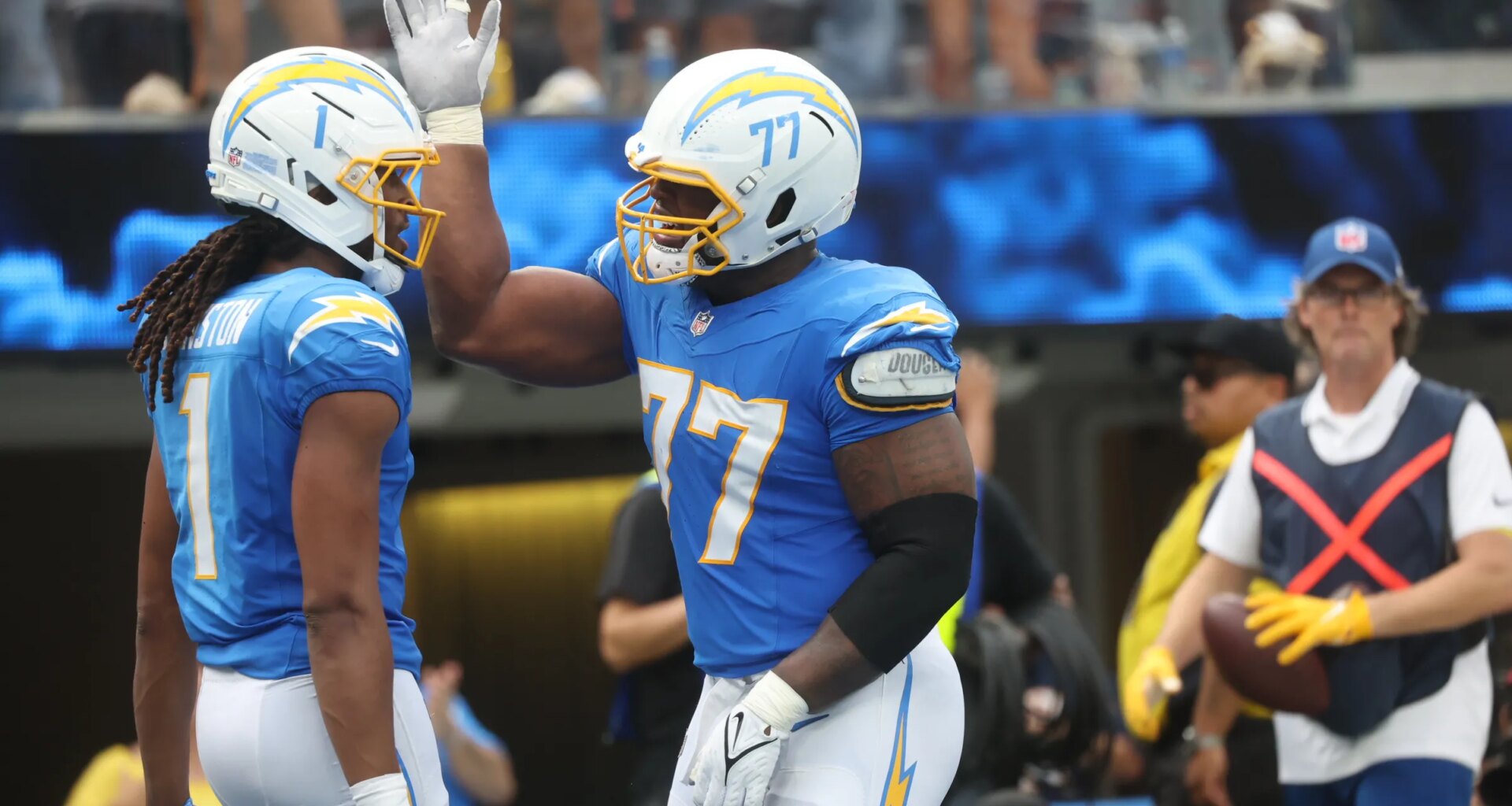
The Cleveland Browns signed former first round offensive guard Zion Johnson to a three-year deal today after he spent four seasons with the Los Angeles Chargers. We learned earlier in the day that the Browns gave him $16.5 million per year and $32.5 million guaranteed over the span of the deal.
However, we now know how the Browns structured his contract and what Johnson’s cap number will be throughout his contract with Cleveland. Over the Cap has the year-by-year breakdown of the contract. Johnson’s base salary will be under $2 million in all three years of his contract with the Browns.
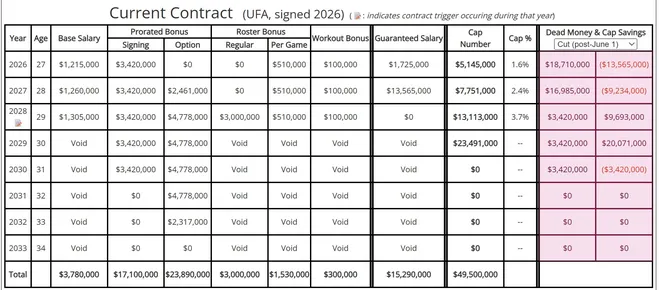
His cap number in the first year of his deal, in 2026, sits at just $5.145 million. His cap number next year is $7.751 million, and his cap number in the last year of his deal sits at $13.113 million. This is essentially a two-year deal, and the Browns can get out of the contract after the 2028 season if necessary.
The Browns were able to pull this off by manipulating the cap and by adding void years to the end of Johnson’s contract.
How the Browns utilized void years
A void year is a year in which a team can continue to pay out bonuses to a player when they are no longer under contract. This money accelerates into a one-year cap hit in that first year where the player is not under contract. The Browns, and various other teams around the NFL that have owners willing to manipulate the salary cap with cash, have employed this for years.
Need a news break? Check out the all new PLAY hub with puzzles, games and more!
Essentially, the Browns have kicked portions of Johnson’s bonus money deeper into the future as the salary cap continues to rise. It’s essentially the argument of paying $20 with a salary cap of $100 or paying the same amount with a salary cap of potentially $200 four years from now.
So, while Johnson is under contract through 2028, the Browns will have a cap number of around $24 million in 2029 when he is no longer under contract. However, the cap will have likely grown at a rate of around $20 million per year, far exceeding the percentage of that cap hit.