
Editor’s note: This article is part of the Bracket Central series, an inside look at the run-up to the men’s and women’s NCAA Tournaments, along with analysis and picks during the tournaments.
On Sunday, we will officially have the March Madness bracket. But for now, we continue to speculate, and that means bubble talk. After a week of exciting conference tournaments (with more to come), several bubble teams played themselves into the field, while others hurt their chances.
Last four byesLast four inFirst four outNext four out
Iowa State
Virginia
Mississippi State
Columbia
Colorado
Richmond
Nebraska
Utah
Clemson
Arizona State
Kansas
Florida
Virginia Tech
Texas A&M
Kansas State
BYU
Nebraska
The Huskers are an outlier for me. Typically, a team with a NET ranking of 28 and a strength of schedule of 17 would be an easy in. But recency also matters, and Nebraska has been terrible in the second half of the season. Other than a win over Washington on Feb. 22, the Huskers haven’t done anything of note since beating Illinois on Jan. 24. After starting the season 12-0, Nebraska went 6-12 to end the season and has gone 2-7 over the past month. That, plus just one Quad 1 win, makes the Huskers a hard sell. Remember, the committee isn’t completely scientific, and I just don’t see it giving a bid to a team that hasn’t performed well in over a month.
Texas A&M
On the flip side of Nebraska is Texas A&M. The Aggies have a 14-12 record (7-9 in the SEC) and a mediocre NET ranking of 61. They get a lift from the 26th-best SOS, but on paper, this doesn’t look like an NCAA Tournament team. But the Aggies are surging at the right time. In the last month of the regular season, they were 6-2, with losses to South Carolina and Kentucky and impressive wins over Alabama, Tennessee and Ole Miss. The Aggies also defeated fellow SEC bubble team Mississippi State.
Colorado
The Buffs are the biggest bubble team winner from conference tournaments. They entered the Big 12 tournament right on the edge, but now they should be a sure thing. After ending the regular season on a sour note, losing to BYU and Utah, the Buffs managed to change their fate in the Big 12 tournament by defeating Kansas, then earning a signature win over Baylor, before losing by just one to eventual champion West Virginia.
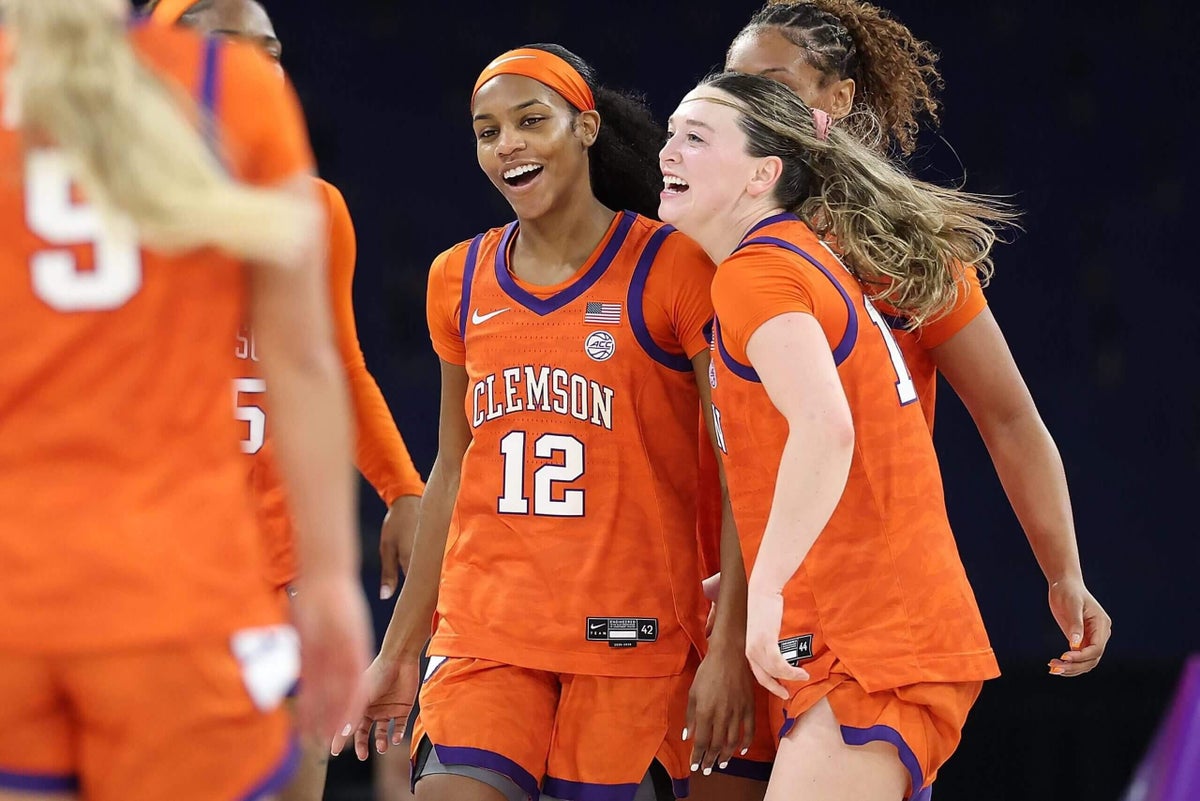
Clemson
The Tigers were in good shape heading into the ACC tournament after ending their regular season with three Quad 1 wins, including one over surging Notre Dame and another over Duke, the ACC champ and likely No. 2 seed. That already seemed enough to get them in. But the Tigers further solidified their spot by beating Virginia, another bubble squad, in the first round of the ACC tournament, keeping the Cavaliers from stealing their spot.
Arizona State
The Sun Devils had a solid win over Iowa State in the Big 12 tournament to give their resume one final boost. With a NET ranking of 51 and an SOS of 45, plus one Quad 1 win, two Quad 2 wins and two Quad 3 losses, Arizona State is right on the edge of the bubble. And it’s falling toward the wrong side. There is precedent for the Sun Devils to earn a bid: No Power 4 team with at least 24 wins has ever missed out.
Richmond
The best-case scenario for the A-10 to earn two bids would have been if Richmond and Rhode Island played for the conference tournament title game. The Spiders hurt their chances slightly by falling to George Mason (for the second time this season) in the semifinals. Richmond still has a better resume than several other bubble teams, particularly in its NET ranking (37) and SOS (41). The Spiders don’t have a Quad 1 win, but they do have three Quad 3 wins. Plus, every season, the committee seems to pick at least one mid-major conference to receive multiple bids. Maybe it’s the A-10’s turn.
Columbia
Because Ivy Madness is a small conference tournament with only four participants, Columbia doesn’t have the chance to string together a series of wins to boost its various metrics. The Lions need to beat Harvard and then Princeton (unless Brown pulls off the upset) for the third time this season to claim the automatic bid. Three conference losses to Cornell, Penn and Harvard put Columbia on the outside of the bubble, and Princeton’s resume is strong enough to earn an at-large bid and bump another bubble team out of the picture.
The Bracket Central series is sponsored by E*Trade from Morgan Stanley. The Athletic maintains full editorial independence. Sponsors have no control over or input into the reporting or editing process and do not review stories before publication.