
Hi everyone, welcome back to SportsVerse, my twice-weekly newsletter that tells stories you can’t find anywhere else about the intersection of sports, fashion, business, and culture.
Nike has begun its long awaited reveal of federation kits in the lead up to the World Cup, which is set to play host to a hotly contested battle between the Swoosh, looking to dominate the tournament on home soil, and its old rival, Adidas, which has pole position given its status as an official sponsor.
 Inside Adidas’ World Cup Strategy
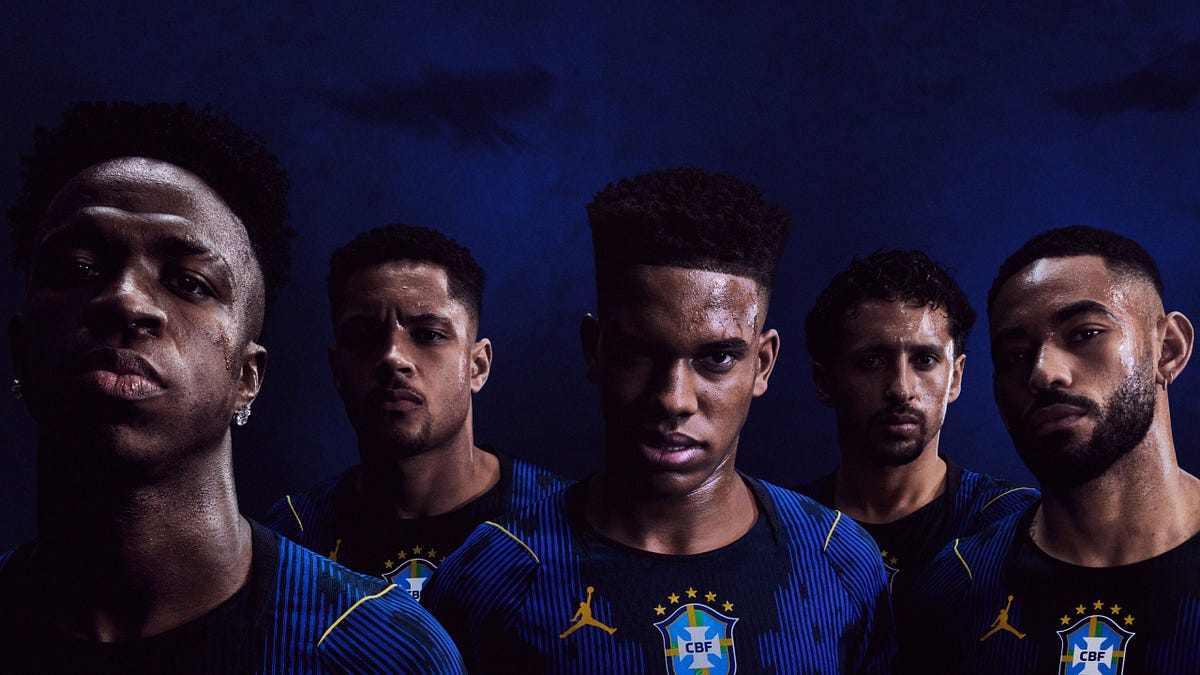
The biggest talking point coming out of the kit launches so far has centred on the fact that, for the first time ever, Nike’s Jordan Brand will feature on the international (footballing) stage, via a partnership with the Brazil national team.
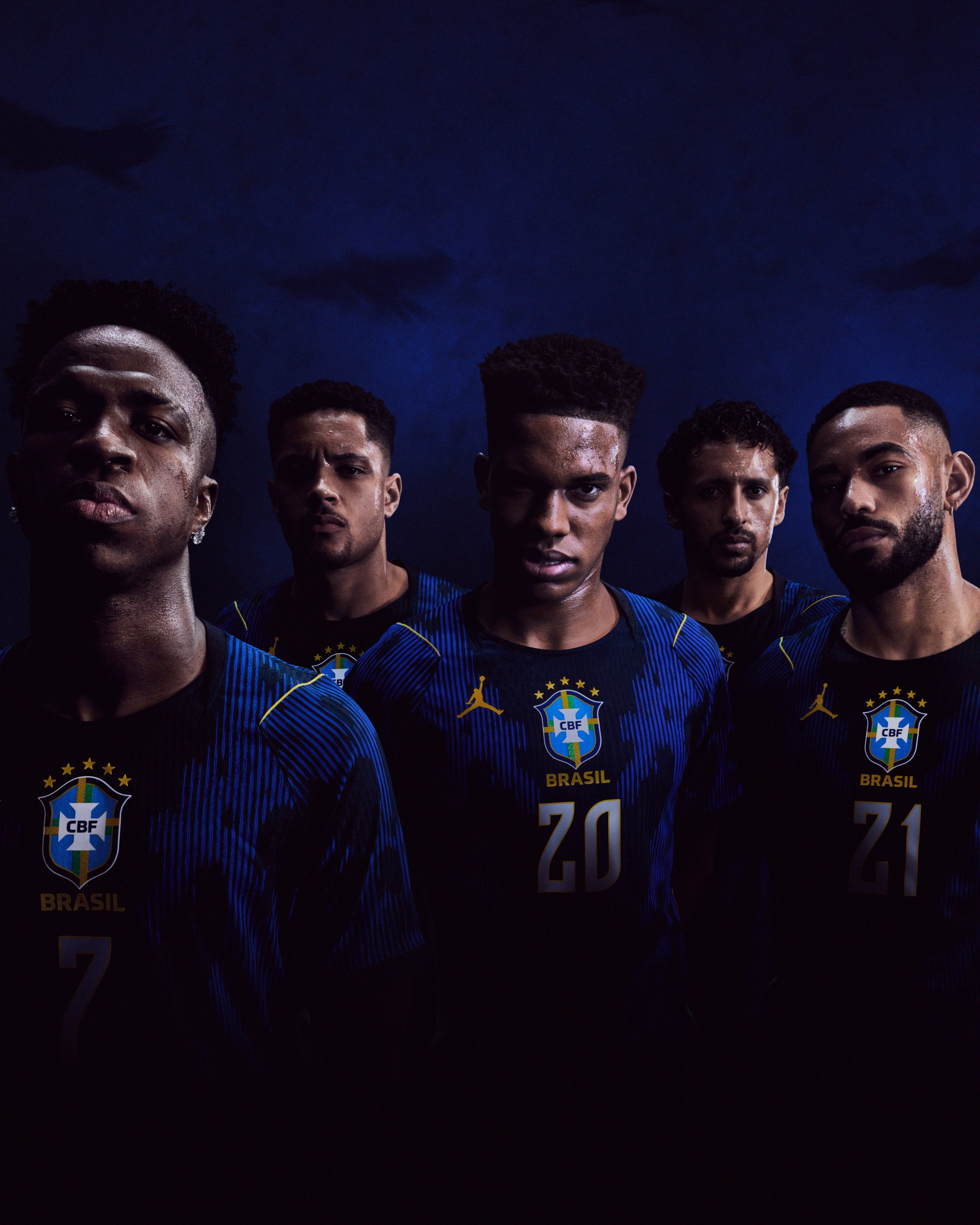
Though it’s branded as a “partnership” between Jordan and the Brazil football federation, the fact is that Nike and Jordan are not separate companies, and very much form part of the same entity. It’s simply Nike shifting its relationship with Brazil — a storied partnership dating back to 1996, which has yielded some of the most memorable images in football kit history and street culture — to diversify the way it shows up as a company on the global football stage, for several smart reasons, which we’ll get into shortly.
But first, some context.
Jordan Brand — Nike’s $7 billion business unit built on selling basketball sneakers and apparel using Michael Jordan’s name, image, likeness and of course the iconic Jumpman logo — changed the game when it first entered football back in 2018 via a partnership with Paris Saint-Germain. The French team was still young in its quest to become a global footballing powerhouse, and was in the midst of an ambitious branding project as its Qatari-funded billions helped to bring in superstars like Neymar Jr. Nike and PSG’s decision to insert Jordan as the team sponsor was an incredibly strategic piece of marketing.
PSG, increasingly being known as a “cool” club thanks to its connections to gritty Parisian street and ultra fan culture, now had the allure of being the first and only team in world football to carry the Jumpan logo. The connotations to basketball and American streetwear carried huge weight for PSG’s standing, especially in European football, which is a far more traditional space. The Jordan relationship also allowed PSG to lean far more into the fashion industry, another core tenet of its branding program as Europe’s culture club.
PSG was already mapping out plans to open stores around the world that sold far more than just jerseys and merch, while it also set out to forge relationships with luxury brands like Dior. While the latter served to denote the club’s high fashion appeal, the Jordan relationship helped PSG’s merch and associated fashion become a hit among a generation of football fans around the world, including those with no prior connection to the club. The PSG Jumpan jerseys and streetwear collections became ubiquitous, and for good reason: they were offering a basketball- and streetwear-inspired aesthetic that had never been seen before in a footballing context.
Since the success of the PSG and Jordan relationship, there has long been discussion in Nike circles about where to continue the sub-label’s rollout in football. Nike was thought to be exploring positioning Jordan as the sponsor of one of its London teams, Chelsea or Tottenham. For whatever reason, that deal never materialised, and given the (increasingly likely) possibility that the latter could be relegated this season (fingers crossed), the folks at Jordan may be pretty happy after all that there’s a Swoosh on the team’s jersey still, rather than a Jumpman logo.
In the meantime, Nike has (rightfully) turned its focus to strategising how it can best cut through the noise and have its brand and products feature prominently in consumers’ minds in the highly congested marketing environment as the World Cup approaches. Positioning Jordan Brand as a partner to the Brazil national team has done just that. Here’s why it’s smart business.
Brazil is one of the most storied and fashion-forward federations in the history of world football, and its partnership with Nike over the years brings to mind iconic players balling out in iconic Nike franchises (like Ronaldinho in T90), and also the best of the best Nike football campaigns (like the famous Joga Bonito series). The time had come to do something fresh with such a storied relationship, and at some point, no amount of new product or creative campaign work suffices. A change of direction was needed, and Jordan provides a completely fresh cultural and commercial perspective from which to approach the partnership. Nike is really the only brand in the industry to be able to rely on different sub-labels which carry the same weight as powerhouse brands in their own right.
As mentioned before, Nike x Brazil Football has produced some of the most iconic kits in footballing history. It’s a relationship that holds a special place in Nike hearts, given it was the first major football federation to ever partner with the Swoosh, driving huge credibility for the brand’s then-nascent aspirations to dominate the football world. Now, with Jordan leading the relationship, Nike will be able to segway this into more of a fashion context, producing lifestyle collections that blend Brazil’s unique footballing aesthetic with Jordan basketball and streetwear approach. The new partnership rolls out with the away kit, a complimentary performance collection including a Jordan football boot (cleat), along with the accompanying streetwear collection pictured below.
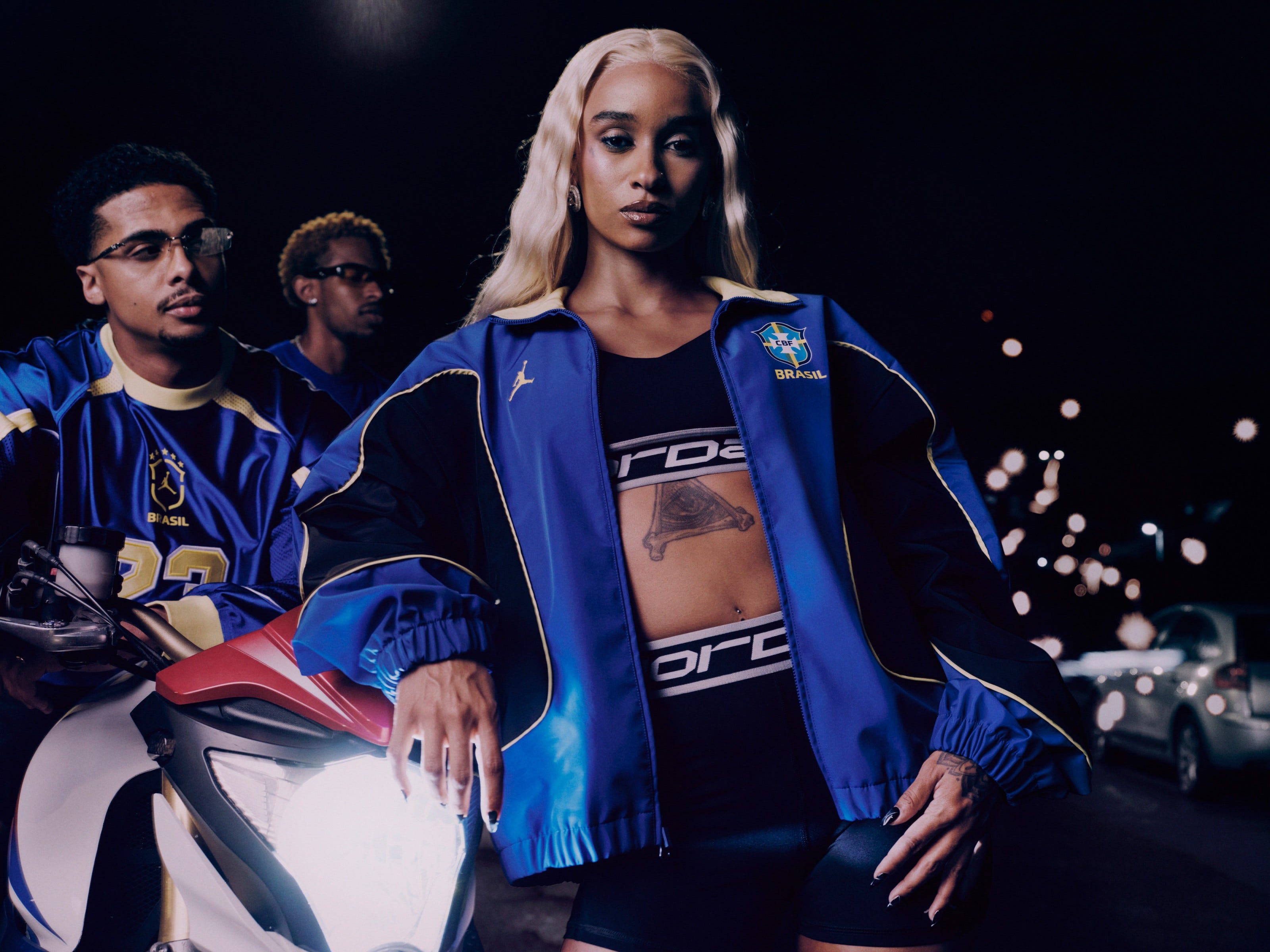
It’s a smart commercial play: There are only so many football jerseys fans can buy, but providing a wider range of fashion-forward products allows Nike to maximise sales of the clothing among fans who aren’t even supporters of Brazil, but who identify with the aesthetic all the same. This was the strategy that yielded big dividends during Jordan’s first venture into football with PSG.
Innovation is, and has always been, the name of the game in the sportswear market. It’s a term that has been regularly used of late to criticise the lack of newness in Nike’s approach to many aspects of its business. But sometimes in this game, the most innovative ideas are the ones that repurpose things already in existence to provide a fresh take or drive new excitement around a team, athlete or product.
Subbing in Jordan Brand to debut at its first ever World Cup is exactly the right kind of thinking along those lines.
That’s all for today, friends. Thanks for coming along for the ride.
DYM