
There will be no curse of Bobby Layne keeping the New York Jets down after trading failed experiment Justin Fields. The former Chicago Bear and Pittsburgh Steeler was nowhere close to Layne’s level as a player, especially in New York.
But the trade of Fields to Kansas City raises a fair question for the Jets—one that centers around the quarterback room for yet another NFL season.
It doesn’t just center around the team’s starting role, either.
Jets’ QB room
Gang Green acquired Geno Smith before the start of the new league year last Wednesday in a reunion with their former second-round pick. As of today, Smith is projected to be the Jets’ Week 1 starter.
What happens after, though, remains a mystery.
Fields’ exit was something of a no-brainer for the organization. The Jets had the worst passing offense in the league during his time as a starter; the former Ohio State star failed to throw for 60 yards in four of his nine starts.
Die-hard fans of the quarterback can blame the organization all they want, but Fields simply wasn’t getting it done in any capacity.
The next step is to fill out the quarterback room around Smith. New York currently has Bailey Zappe and former undrafted free agent Brady Cook on the roster.
The Jets could look to address the backup role with a veteran option such as Carson Wentz or Cooper Rush. April’s 2026 NFL draft also gives the team the opportunity to select a young prospect.
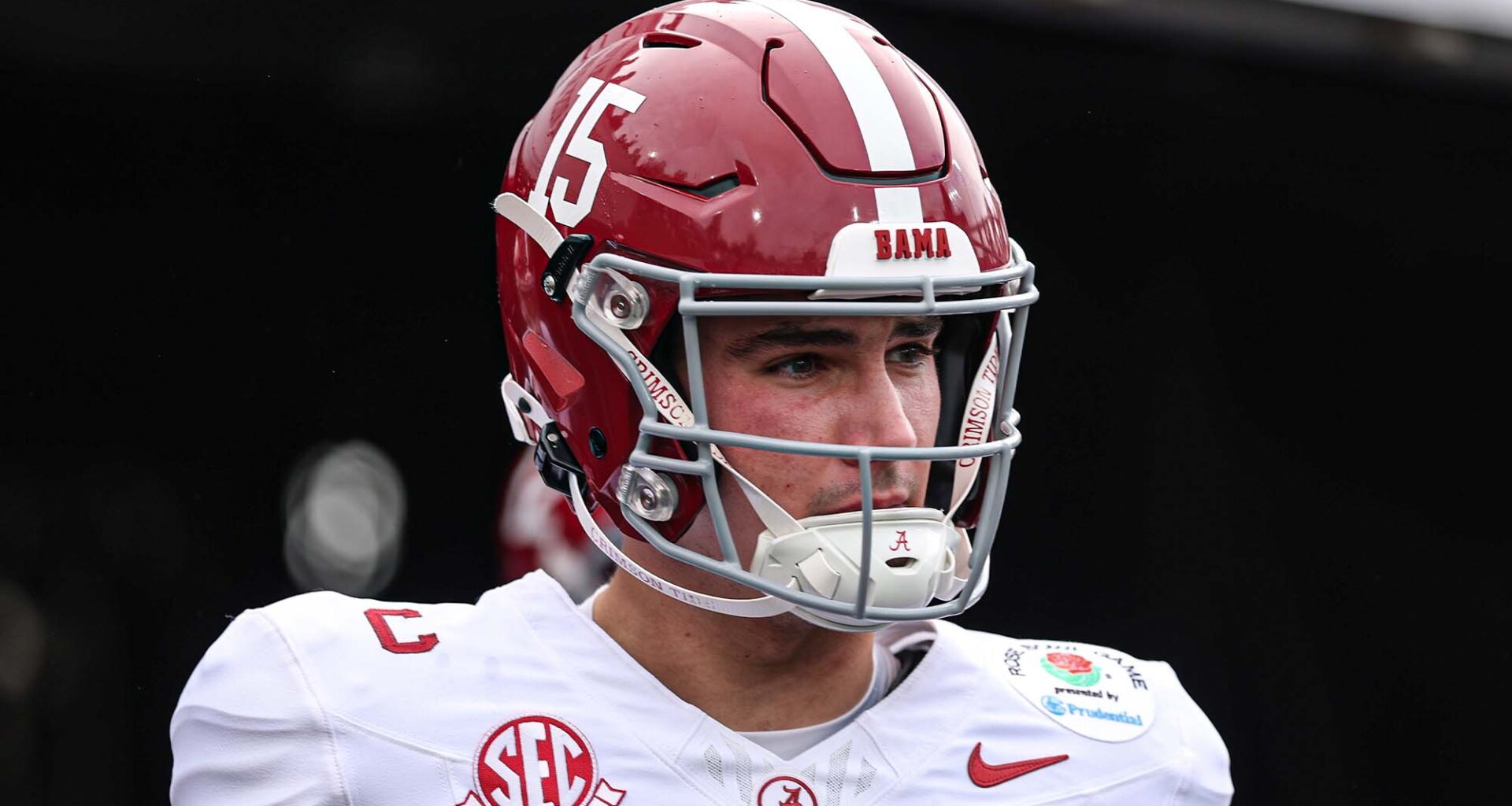
Drew Allar, Garrett Nussmeier, and even Ty Simpson have previously met with the team through the pre-draft process.
So where does the team go from here?
Well, the good news surrounding the breakup with Fields is that the Jets do not need to be completely sunk with the cost of their failure. New York is eating roughly $19 million in dead money and saving around $4 million in space. The dead cap charge is nowhere near the biggest that some teams around the league have been forced to suffer at the quarterback position; Tua Tagovailoa, for example, is costing the Miami Dolphins over $90 million in dead cap this season.
The Jets also acquired a sixth-round draft pick in 2027 for Fields’ services, a feather in the cap of the asset management team in Florham Park.
By remaining flexible in both the draft and in their cap situation, New York can address their quarterback room in a number of ways.
They can not only select a quarterback project in the draft, but they can also sign a veteran in free agency to raise the floor of the collective unit.
No one will lose sleep over the Jets parting ways with Fields. What the team does next, though, will inform fans about New York’s future plans at the league’s most important position.