
Eighteen Nebraska football players are challenging NIL deals that were rejected by the College Sports Commission, according to ESPN.The deals were reportedly with Playfly Sports, the company in charge of Nebraska’s multimedia rights.The challenge is in arbitration now, said David Weber, a sports law professor who was at Creighton University until last summer. He’s at Oregon now.Weber told KETV it’s “one of the first real big tests we’re seeing” of last summer’s House v. NCAA settlement.Weber said many hoped the settlement would offer clarity.”I think if anything, we have less certainty and less clear rules now,” Weber said.The settlement established two pools of money for college athletes. Revenue share, which allows schools to pay players directly. Nebraska, for example, has $20 million to use. Then there’s NIL, which, of course, allows athletes to make deals with companies for an advertisement, for example, but does not allow simple pay-for-play.Weber said the College Sports Commission rejected the deals from the 18 Nebraska football players because of a form of pay-to-play called “warehousing.” Warehousing means buying a player’s future NIL rights for deals, but those rights might never actually be used.Weber says if the players win, “then we’re back to where we were a year and a half ago, where there were really no market constraints on third-party NIL.”If the players lose, Weber said Nebraska has a state law on not punishing the state’s college athletes over NIL deals. Weber said the Nebraska attorney general could step in to block enforcement, as other state AGs have over college sports issues.”Colleges and those associated with them are just seeking ever more ways to figure out how to bring the best players to their program,” Weber said. “And without a good set of rules in place that are enforceable, that’s just going to continue unabated.”Weber said collective bargaining could bring stability to the sport. That would require an act of Congress, though, and Weber doesn’t see that bill passing anytime soon.
OMAHA, Neb. —
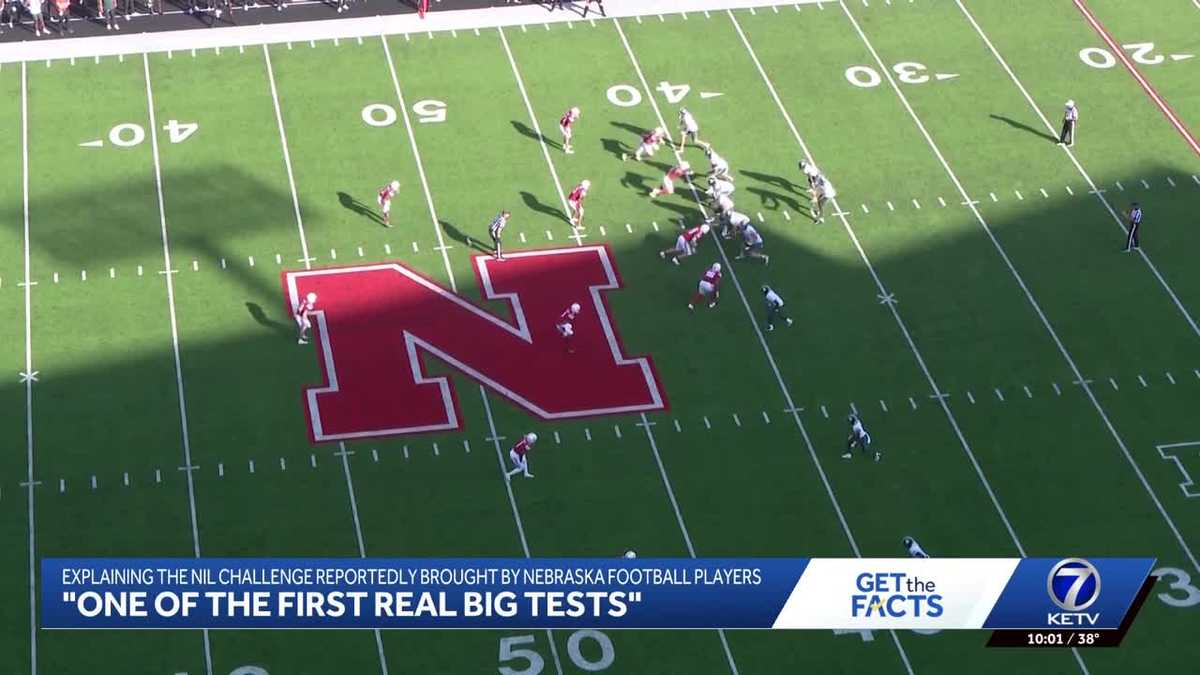
Eighteen Nebraska football players are challenging NIL deals that were rejected by the College Sports Commission, according to ESPN.
The deals were reportedly with Playfly Sports, the company in charge of Nebraska’s multimedia rights.
The challenge is in arbitration now, said David Weber, a sports law professor who was at Creighton University until last summer. He’s at Oregon now.
Weber told KETV it’s “one of the first real big tests we’re seeing” of last summer’s House v. NCAA settlement.
Weber said many hoped the settlement would offer clarity.
“I think if anything, we have less certainty and less clear rules now,” Weber said.
The settlement established two pools of money for college athletes. Revenue share, which allows schools to pay players directly. Nebraska, for example, has $20 million to use. Then there’s NIL, which, of course, allows athletes to make deals with companies for an advertisement, for example, but does not allow simple pay-for-play.
Weber said the College Sports Commission rejected the deals from the 18 Nebraska football players because of a form of pay-to-play called “warehousing.” Warehousing means buying a player’s future NIL rights for deals, but those rights might never actually be used.
Weber says if the players win, “then we’re back to where we were a year and a half ago, where there were really no market constraints on third-party NIL.”
If the players lose, Weber said Nebraska has a state law on not punishing the state’s college athletes over NIL deals. Weber said the Nebraska attorney general could step in to block enforcement, as other state AGs have over college sports issues.
“Colleges and those associated with them are just seeking ever more ways to figure out how to bring the best players to their program,” Weber said. “And without a good set of rules in place that are enforceable, that’s just going to continue unabated.”
Weber said collective bargaining could bring stability to the sport. That would require an act of Congress, though, and Weber doesn’t see that bill passing anytime soon.