
Buccaneers’ 3 sleeper prospects to target in 2026 NFL Draft appeared first on ClutchPoints. Add ClutchPoints as a Preferred Source by clicking here.
The Tampa Bay Buccaneers are caught between honoring what once worked and confronting what no longer does. For years, this has been a team built on toughness, defensive identity, and timely offense. Of course, the NFL doesn’t wait for nostalgia. It demands reinvention. The 2026 NFL Draft is where that reinvention begins in earnest. The Bucs can do it not via headline-grabbing names, but through calculated, high-upside bets. Sleepers matter here more than ever. These are the players who can quietly restore identity and push a team from stagnation back into contention.
Advertisement
Exposing the cracks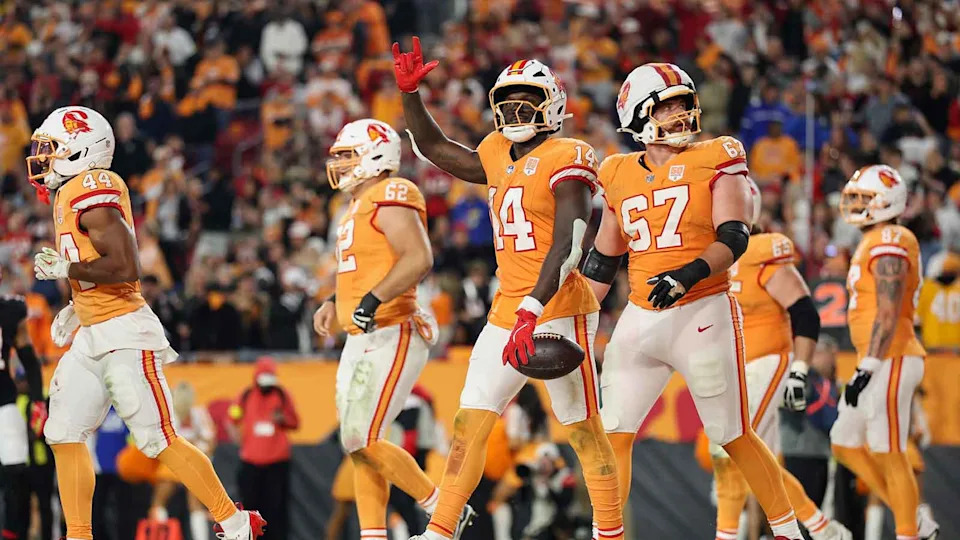
Nathan Ray Seebeck-Imagn Images
The 2025 season was a rollercoaster that ultimately left fans with lingering frustration. Tampa Bay finished with a 8-9 record, which snapped their postseason streak and exposed the thinning ice beneath the roster. Sure, Baker Mayfield continued to play with the gritty, chip-on-the-shoulder attitude that Tampa has embraced. However, the magic of previous years felt spread too thin.
The defense, long the calling card of a Todd Bowles-led squad, unraveled down the stretch. They surrendered leads and struggled to generate the disruptive “Havoc” plays that once made them feared. Losing seven of their final eight games was a loud, clanging alarm bell. The lack of a consistent pass rush and the aging legs in the middle of the defense turned what should have been a playoff run into a winter of discontent.
Advertisement
Setting the stage for change
When the 2026 free agency period opened, the Buccaneers’ front office opted for a “bridge and bolster” strategy rather than a reckless spending spree. The departure of franchise icons forced GM Jason Licht to prioritize high-floor veterans who could stabilize the locker room. The signing of linebacker Alex Anzalone and Christian Rozeboom provided much-needed veteran presence. Meanwhile, Kenneth Gainwell was brought in to add a versatile dimension to the backfield. However, while these moves stabilized the floor, they didn’t necessarily raise the ceiling. The signings of Al-Quadin Muhammad and A’Shawn Robinson were smart, savvy depth plays. Still, they feel like temporary patches. The message was clear: free agency was for survival, but the draft will be for the revival.
LB Kyle Louis, Pittsburgh
Every franchise has its archetypes. For Tampa Bay, that legacy at linebacker runs deep, and Kyle Louis has the profile to carry it forward.
Advertisement
The Pittsburgh standout is a rare blend of instincts and athleticism. He diagnoses plays quickly, moves fluidly in space, and attacks with purpose. Over the past two seasons, his production has reflected that versatility. He has impacted games as both a pass rusher and a coverage defender. That dual-threat capability is exactly what Bowles demands from his linebackers.
What makes Louis particularly compelling is how naturally he fits into Tampa Bay’s system. He can blitz effectively, drop into coverage without hesitation, and serve as a communicator in the middle of the defense. Comparisons to past greats are inevitable. Louis, though, doesn’t need to replicate history to make an impact.
EDGE Zion Young, Missouri
If the Buccaneers are going to reclaim their defensive identity, it starts up front. Physicality, disruption, and control at the line of scrimmage have always been the foundation. Zion Young embodies that philosophy.
Advertisement
The Missouri defensive lineman is built for trench warfare. At 6-foot-6 with a massive wingspan, he uses his length to control blockers and his strength to hold the point of attack. What separates him from other linemen, however, is his motor. His versatility adds significant value, too. He can line up across multiple positions. That allows the defensive staff to create mismatches and rotate personnel without sacrificing effectiveness. That flexibility is critical for a team looking to rebuild depth while maintaining a cohesive front.
WR De’Zhaun Stribling, Ole Miss
The departure of Mike Evans has left a noticeable gap in Tampa Bay’s offense. Yes, the current receiving group offers reliability. That said, it lacks the kind of vertical threat that forces defenses to adjust their entire structure. De’Zhaun Stribling could bring that missing element.
The Ole Miss receiver combines size and speed in a way that immediately translates. At 6-foot-2 and over 200 pounds, he has the frame to win contested catches. However, it’s his 4.36 speed that changes everything. He stretches the field, creates separation, and forces safeties to respect the deep ball.
Advertisement
Stribling’s game isn’t limited to straight-line speed, too. He has shown the ability to refine his routes and find soft spots in zone defenses. That versatility makes him a complete receiver with room to grow.
Building the next chapter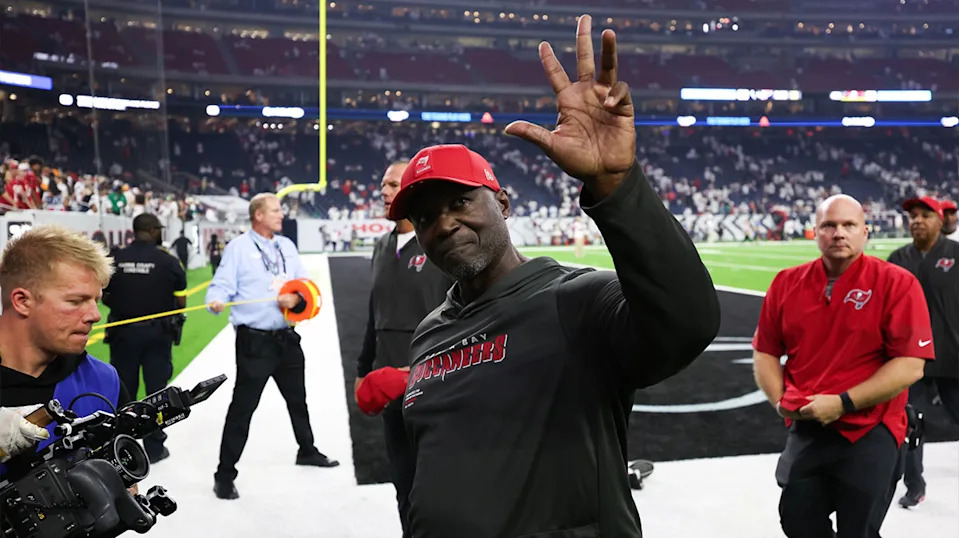
Mandatory Credit: Thomas Shea-Imagn Images
The Buccaneers are not starting from zero. They’re starting from experience. They understand what it takes to win. On the flip side, Tampa Bay also recognizes that sustaining success requires adaptation. The 2026 NFL Draft offers a chance to accelerate that process.
Kyle Louis, Zion Young, and De’Zhaun Stribling may align perfectly with what Tampa Bay needs. That’s athleticism, physicality, and upside. If the Buccaneers are going to turn transition into resurgence, it won’t be through noise. It will be through precision and the willingness to trust the right sleepers at the right time.
Advertisement
Related: Buccaneers’ 7-round 2026 NFL Draft according to PFF mock draft simulator after NFL Free Agency
Related: Buccaneers LB Lavonte David further explains retirement decision in interview with Pat McAfee