
A Seventh Circuit judge seemed skeptical of a college football player’s antitrust challenge to National Collegiate Athletic Association eligibility policies at oral arguments Wednesday.
The three-judge panel wrestled with antitrust allegations and eligibility rules in a college-sports landscape vastly changed by “name, image, and likeness” guidelines that allow student-athletes to make money from their public personas.
Even in light of the relatively new NIL policies, the National Collegiate Athletic Association’s “five-year rule”—which states that athletes can only compete in four out of five college years—serves pro-competitive goals, said attorney Rakesh Kilaru of Wilkinson Stekloff.
“Ensuring college sports are played by college athletes” supports product differentiation, Kilaru told the US Court of Appeals for the Seventh Circuit, adding “the rules also protect output and increase opportunity by having an orderly progression of students getting to compete in college sports and moving on.”
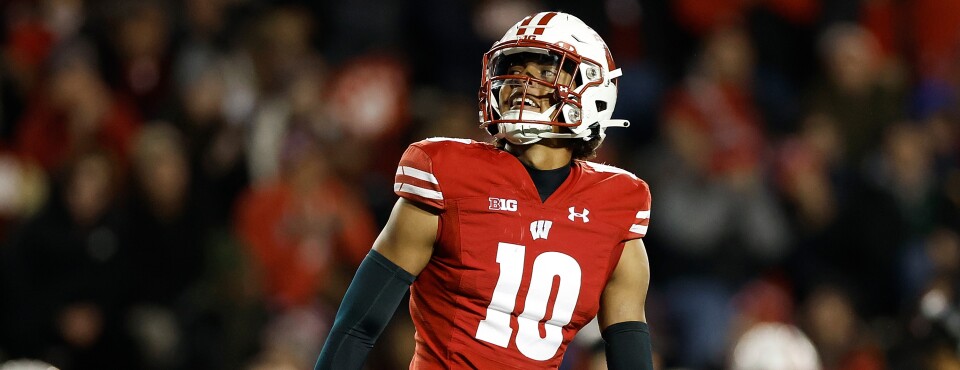
The NCAA is appealing a decision from a district court judge who found that a University of Wisconsin football player, Nyzier Fourqurean, should have been granted a request to play for a fifth season, and enjoined the NCAA from enforcing the five-year rule as to him.
Fourqurean alleged the policy harms students who, like him, transfer to a Division I school from a Division II team by preventing them from competing in a third and fourth year of Division I play. The NIL marketplace is aimed mainly at Division I players, so Fourqurean’s ability to take part is limited, the suit claims.
Judge Amy St. Eve seemed skeptical of Fourqurean’s arguments, repeatedly pressing attorney Michael Crooks to define the market his client allegedly was barred from and asking him to suggest a “limiting principle” to guide their logic.
“Under your argument, you could have somebody graduating from college and saying ‘I’m going to go to law school and for those three years I’m going to keep playing, and it’s an antitrust violation not to let me play those full seven years,” she said. “Where do we draw the line?”
Crooks, of von Briesen & Roper, said he was not arguing that the eligibility rules should be thrown out entirely.
“We’re fine with the five-year rule if it’s meaningfully applied, if exceptions to that rule are available to athletes on a basis that makes sense,” he said.
Judges Kenneth Ripple and Joshua Kolar also sat on the panel.
NCAA is also represented by Foley & Lardner.
The case is Fourqurean v. NCAA, 7th Cir., No. 25-01187, oral arguments 5/28/25.