
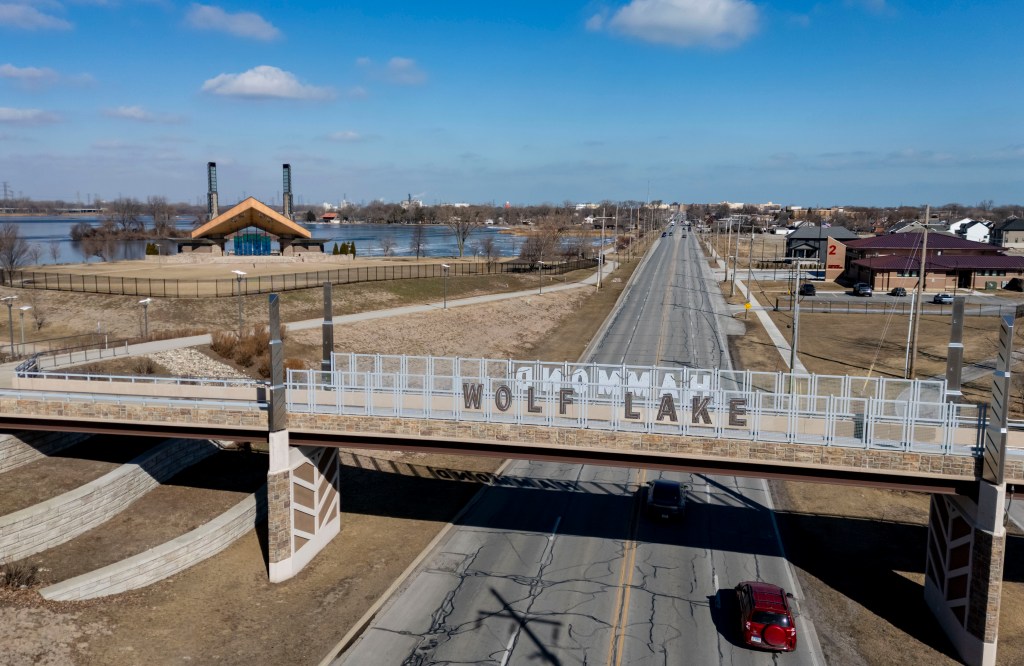
The clock is ticking. Bears President and CEO Kevin Warren confirmed this week that the franchise will decide between Arlington Heights and Hammond, Indiana, by late spring or early summer with the Illinois General Assembly’s May 31 session deadline serving as a de facto finish line. NFL Commissioner Roger Goodell, speaking at the league’s annual meetings, has been blunt. The Bears need to resolve this “relatively soon,” and Soldier Field, the oldest stadium in the NFL, is no longer at the top of the list for fan experience.
Illinois must act.
My understanding of what is at stake began far from Springfield. When I was a busboy at Connie’s Pizza in high school, my paycheck rose and fell with the Bears’ schedule. Game days filled the dining room, turned tables faster and sent servers home with a little more security. I still remember when the Dodgers were in town, and Tommy Lasorda would eat alongside everyday Chicagoans. Proof that big league sports and neighborhood business are inseparable.
Then came 1985. As a freshman in high school, watching the Super Bowl with millions of viewers hearing “the Chicago Bears,” I understood something that no marketing budget can fully replicate: Chicago’s name, pride and identity beamed into living rooms across America.
The industry calls it “heads in beds.” The Bears generate it on a scale that most attractions cannot match. Choose Chicago reports that the city welcomed 55.3 million visitors in 2024, who generated roughly $20.6 billion in economic impact. NFL weekends are among the most reliable anchors in that calendar filling city center hotels, packing restaurants from Bridgeport to the suburbs and supporting the livelihoods of thousands of cooks, housekeepers, bartenders and tradespeople. Lose the Bears, and a meaningful piece of that engine migrates across the state line.
I have seen this from the inside. As a member of the Illinois Sports Facilities Authority, I voted to redevelop Soldier Field and authorize $400 million in municipal bonds backed by a 2% hotel tax surcharge, a structure that tied stadium financing to visitor spending, not homeowners’ property tax bills. Later, as CEO of the Metropolitan Pier and Exposition Authority, I watched McCormick Place and Navy Pier depend on Chicago’s big-league identity to win conventions and tourist dollars. When corporate planners evaluate cities, they look at exhibit space and room count. Then they ask whether their attendees want to be there. The Bears are part of the answer.
Chicago is already fighting this battle with one hand tied behind its back. Las Vegas’ convention authority operates on roughly $457 million annually; Visit Orlando spends more than $100 million. Choose Chicago, which works with approximately $33 million, falls last among major convention cities. When you are outspent that badly on paid promotion, you cannot afford to surrender national primetime exposure that comes free every Sunday the Bears play.
Indiana understands this, which is why lawmakers there have already passed their own stadium bill, offering a stack of food-and-beverage, hotel and ticket taxes to finance a Bears facility in Hammond. The Bears’ own chairman, George McCaskey, said plainly: “We’re comfortable with either site.” That is not a bluff, it is a business negotiation, and Illinois is running out of time.
The answer is not a blank check. HB0910, the “megaprojects” bill moving through Springfield, would let the Bears negotiate a payment in lieu of taxes directly with local governments for up to 40 years, without shifting the burden onto neighboring homeowners who already face some of the highest property taxes in the nation.
The Bears belong in Illinois. But belonging is not enough. Illinois leaders need to act before May 31 because Indiana already has. Done right, with private-sector investment leading and public dollars tied to measurable returns in jobs and visitor spending, this is not a giveaway. It is a competitive investment in the meal tickets of tens of thousands of Illinois workers.
Juan A. Ochoa is a former member of the Illinois Sports Facilities Authority and former CEO of the Metropolitan Pier and Exposition Authority.
Submit a letter, of no more than 400 words, to the editor here or email letters@chicagotribune.com.