
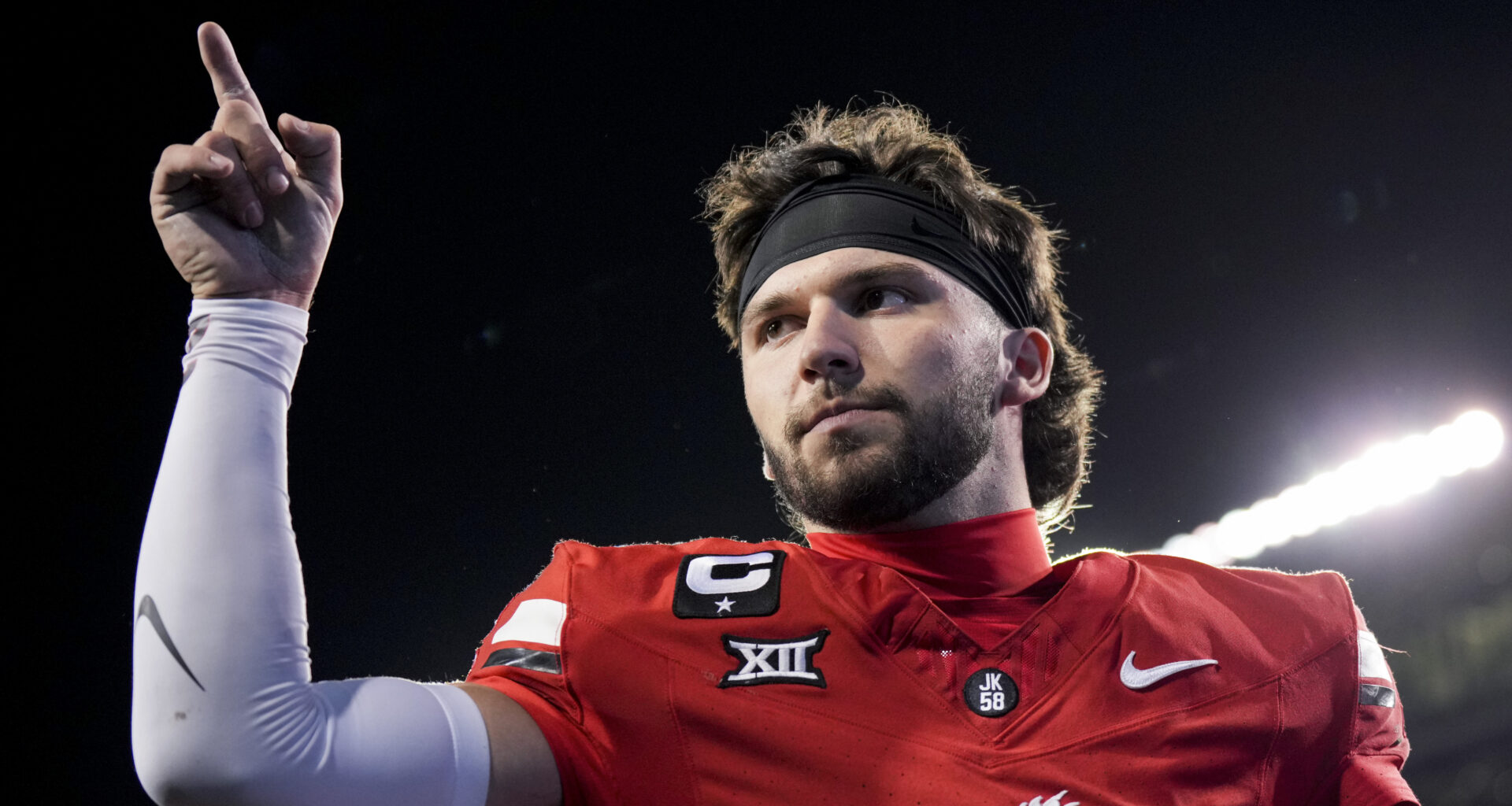
The college football world was stunned when reports surfaced about Texas Tech quarterback Brendan Sorsby’s gambling problems. A national title contender suddenly found itself staring at the possibility of an early collapse. Not because of poor play on the field, but because it risked losing its most valuable asset.
Texas Tech brought Sorsby in on a massive NIL deal. Ironically, the same financial pipeline that elevated his profile may have jeopardized his football future. While Sorsby must take responsibility for his actions, his situation also highlights a larger issue: the NCAA and its member schools failed to prepare for the realities of the NIL era.
MORE: Charles Woodson Jr. follows father’s footsteps with college commitment
Student-athletes absolutely deserve the right to profit from their Name, Image, and Likeness. But one reality continues to be overlooked: many of these athletes are still teenagers suddenly handed life-changing amounts of money. Imagine being 18 years old and gaining access to thousands—or even millions—of dollars almost overnight.
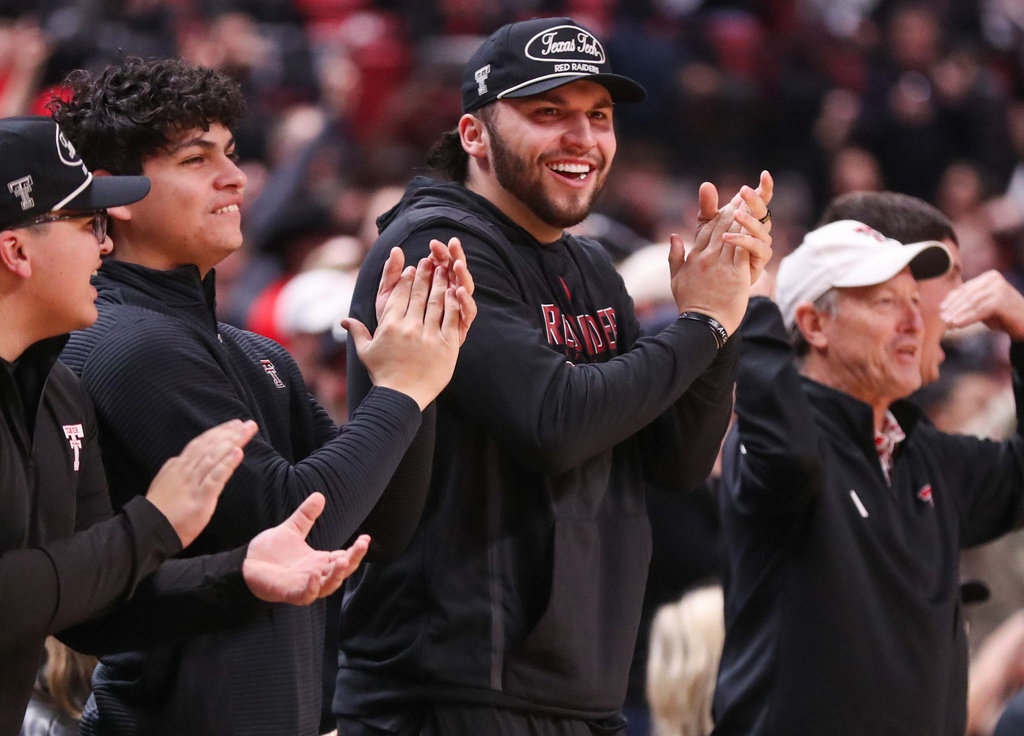 Texas Tech football team quarterback Brendan Sorsby reacts to a play during a Big 12 Conference men’s basketball game, Saturday, Jan. 24, 2026, in United Supermarkets Arena.
Would most people at that age make perfect decisions? Probably not. But with proper education, structure, and guidance, many could make better ones. The NCAA failed to make that transition responsibly.
This is not to say Sorsby would have avoided gambling problems without NIL money. But if the NCAA had established meaningful programs to educate athletes on financial responsibility, personal decision-making, and the pressures that come with sudden wealth, it’s possible situations like this could have been mitigated.
Colleges routinely educate incoming freshmen about the dangers of alcohol abuse. Those programs do not eliminate risky behavior. However, they can encourage students to think twice before making dangerous decisions, such as driving under the influence. They can also help students recognize warning signs when a friend is in trouble.
MORE: College Football Playoffs 24-team expansion hits unexpected, major obstacle
So why didn’t a multi-billion-dollar organization anticipate the risks that would accompany NIL six or eight years ago? Why didn’t the NCAA create systems designed to help student-athletes navigate wealth management, contract negotiations, and lifestyle pressures before opening the floodgates?
 A detailed view of the College Football Playoff logo on the pylon during the game between the Miami Hurricanes and Ohio State Buckeyes during the 2025 Cotton Bowl and quarterfinal game of the College Football Playoff at AT&T Stadium. Credit: Jerome Miron-Imagn Images
The consequences are already visible. Several student-athletes have signed predatory “NIL deals” that function more like high-interest loans than endorsement opportunities. Chicago Bears defensive lineman Gervon Dexter is a notable example. He is currently suing over an agreement that allegedly entitled a company to a percentage of his future NFL earnings in exchange for what was essentially a short-term loan.
At the same time, the NCAA continues to aggressively regulate “pay-for-play” arrangements and NIL collectives while failing to take meaningful steps to protect the athletes themselves. These are young adults whose lives can change overnight, often without the tools needed to manage that change responsibly.
Sorsby deserves accountability for his actions. But the NCAA also deserves scrutiny for its failures—failures in planning, education, and athlete protection during the rapid rise of NIL. If the organization cannot adapt to support student-athletes in this new financial landscape, it raises an important question: what purpose is the NCAA truly serving?