
The playbook deployed this week by FCC Chairman Brendan Carr may have been foreshadowed in sports media.
Earlier this year, Carr publicly pressured Comcast, one of the largest pay TV distributors in the country, to renew a deal with the New York-area regional sports channel YES Network on favorable terms for YES. In recent years, Comcast has been pushing regional sports networks to more premium, expensive tiers on its Xfinity cable packages or dropping the channels entirely if they refused. YES, the broadcast home of the New York Yankees was gearing up for the same fate until team president Randy Levine leveraged his cozy relationship with the Trump administration.
Carr quickly took to social media, publicly pressuring Comcast to get a deal done or risk retribution in the form of politically motivated lawsuits and coercive regulatory tactics that the Trump administration has made a hallmark of its dealings with media companies.
I’m aware that the YES Network could soon get dropped from Comcast systems.
I would encourage a quick and favorable resolution for the benefit of everyone.
The FCC does have authority to step in and address claims of discriminatory conduct. pic.twitter.com/QtuqS5fGTp
— Brendan Carr (@BrendanCarrFCC) March 30, 2025
Not long after that, Comcast reached a temporary deal to keep YES Network on the more inexpensive tier through the remainder of the baseball season. The hope was that kicking the can down the road to the offseason would allow the company to negotiate a new deal without the FCC chairman breathing down its neck.
In the grand scheme, a less-than-ideal agreement with YES Network barely moves Comcast’s bottom line, so it’s easy to understand why the company would choose the path of least resistance. But alas, the blueprint had been drawn. Carr, in a break from how past FCC chairs have operated, was willing to use his bully pulpit to publicly pressure media companies to succumb to the whims of his administration.
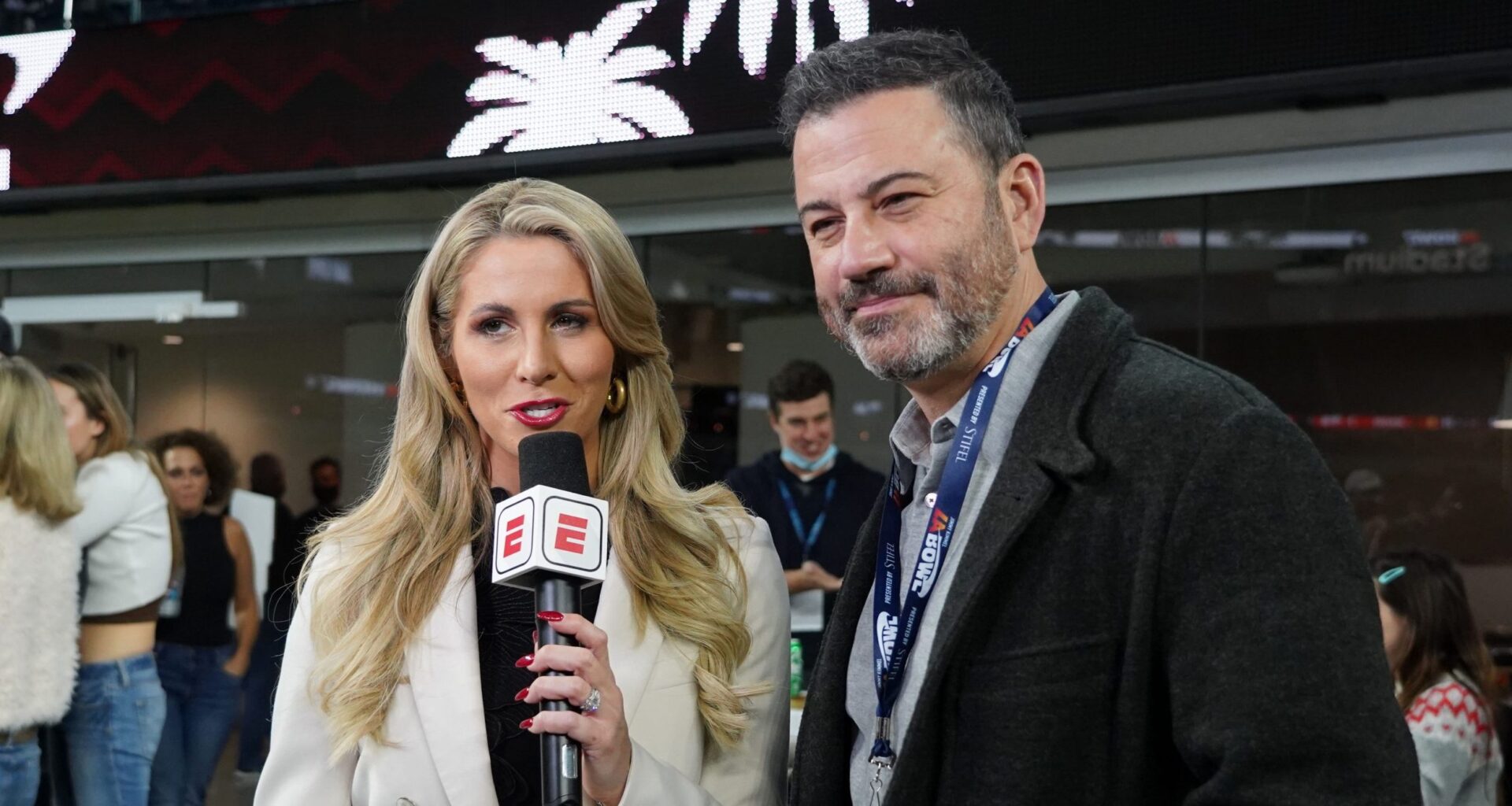
Fast-forward to now. Carr makes one of his frequent appearances on a right-wing podcast. He publicly condemns comments that Disney star Jimmy Kimmel made about the assassination of right-wing activist Charlie Kirk. He urges local station groups to pull Kimmel’s programming. Those same local station groups, which depend on the FCC to renew their licenses and, critically, want to consolidate with one another in a manner that requires FCC approval, bow to Carr and preempt Kimmel’s show. Disney then decides to indefinitely suspend Kimmel’s show shortly after.
Like Comcast’s decision in the YES Network case, Disney also chose the path of least resistance. The company has a mega-deal with the NFL that will require regulatory approval from the Trump administration before it can proceed. Kimmel could be a sacrificial lamb.
Media observers know that late-night television is already on its deathbed. CBS is ending Stephen Colbert’s late-night show in March. It was reportedly losing around $50 million per year. The economics of late-night are no longer clear-cut. It’s unlikely that any late-night programming is breaking even from a purely financial perspective; the shows do not command the viewership that justifies the immense salaries and production budgets. Whether the prestige of airing a late-night television show and the halo effect that comes with that is valuable enough for networks to continue producing them is debatable.
What’s not debatable is that these shows are more vulnerable than ever. There’s no longer a spreadsheet to point to that justifies their existence. Instead, their value is opaque.
If that’s the financial position of late-night television, and a vindictive administration begins targeting your show when you need that same administration to approve a multi-billion-dollar deal with the biggest sports league in the country, the decision-making becomes very easy.
A deal with the NFL is of exponentially greater value to Disney than taking a principled stand to defend your late-night host. That doesn’t make any of this right. It just makes it a reality. And in this current environment, when the Trump administration has shown a willingness to turn any perceived dissent into a lawsuit, with settlements being the price of doing business, what is Disney to do?
For what it’s worth, ESPN chairman Jimmy Pitaro avoided answering a question to that effect during a conference on Thursday.
Jimmy Pitaro @espn asked if Jimmy Kimmel was pulled off air to help win regulatory approval for pending @nfl deal by @axios @sarafischer
Pitaro avoids answering $DIS #MediaTrendsLive pic.twitter.com/S7pCcFk6Co
— Rich Greenfield, LightShed 🔦 (@RichLightShed) September 18, 2025
It’s all unprecedented, and it’s all deeply grim for anyone who values freedom of speech and an independent press. But this is the new normal. Any media company that wants to do business that requires federal approval will be at the whims of an FCC chair who is more culture warrior than policy wonk. And until that changes, nothing is out of bounds, and Kimmel might just be the beginning.