
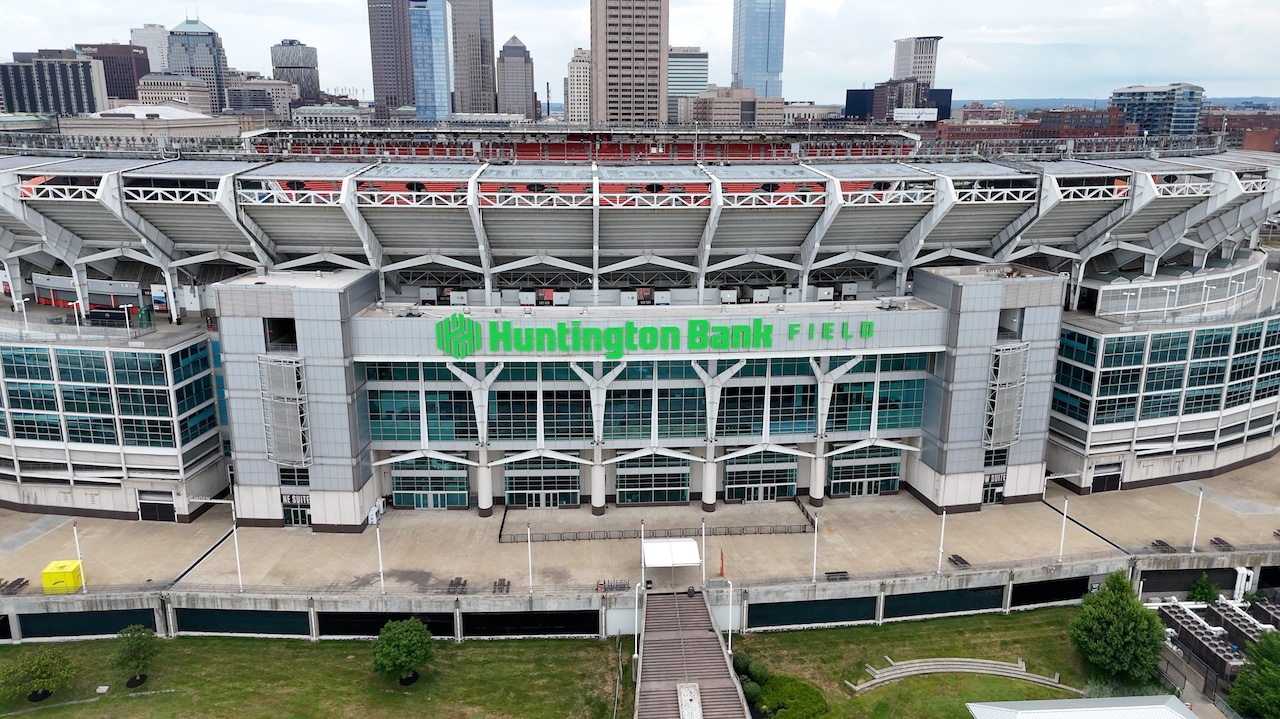
Cleveland City Council has put its stamp on the Browns’ $100 million departure deal, but the almost insignificant changes raise one significant question: Was council’s goal to create slush funds that members can spend without oversight.
Today in Ohio podcast hosts discussed the slush fund notion in dissecting council’s last-minute modifications to Mayor Justin Bibb’s agreement with the Browns. The most significant change involves flipping the allocation of funds between lakefront development and neighborhoods.
“When you compare the tweaks they made, which are not all that meaningful to the big words that they threw around in opposition to the deal when it came forward, they don’t match up,” said Chris Quinn, highlighting the disconnect between council’s initial bombastic opposition and the relatively minor adjustments they ultimately made.
The original deal allocated $25 million of the Browns’ $100 millionmillion for lakefront development and $20 million for community benefits. Council reversed those numbers, directing $25 million to neighborhoods while reducing lakefront funding to $20 million. They also added penalties if the Browns extend their stay beyond 2029 and mandated hiring quotas for Cleveland-owned and minority-owned businesses during stadium demolition.
“To me, it sounds like council members are trying to create their own slush funds,” Lisa Garvin said on Tuesday’s episode. The council has a long history of slicing away pieces of one-time cash windfalls for themselves, with members spending their share profligately with almost no oversight. It’s a practice that the Cuyahoga County Council adopted with pandemic relief funds. And it’s a practice the Today in Ohio and the Editorial Board of cleveland.com and The Plain Dealer has repeatedly condemned.
Leila Atassi, a podcast host who once covered City Hall, said, If council fought this hard to reroute more of the Brown’s money into community investment, then it cannot become just another discretionary slush fund for ward level favors.”
The podcast hosts calculated that the $25 million neighborhood fund would amount to a bit more than $1.5 million per council ward. Quinn questioned whether Atassi had moved to “some kind of land of rainbows and unicorns” when she suggested the city would provide oversight for the spending.
The council changes don’t alter the overall $100 million price tag. The modifications came after what Atassi described as “a weekend of behind closed doors talks with Jimmy and Dee Haslam,” the Browns owners.
Atassi also noted the theatrical appearance by former mayor Dennis Kucinich, who urged council to keep fighting against the deal. Atassi described his intervention as “vintage” Kucinich, offering “soaring rhetoric” but “none of the responsibility for what happens after the cameras stop rolling.”
Listen to the discussion here.
Listen to full “Today in Ohio” episodes where Chris Quinn hosts our daily half-hour news podcast, with Editorial Board member Lisa Garvin, Impact Editor Leila Atassi and Content Director Laura Johnston.