
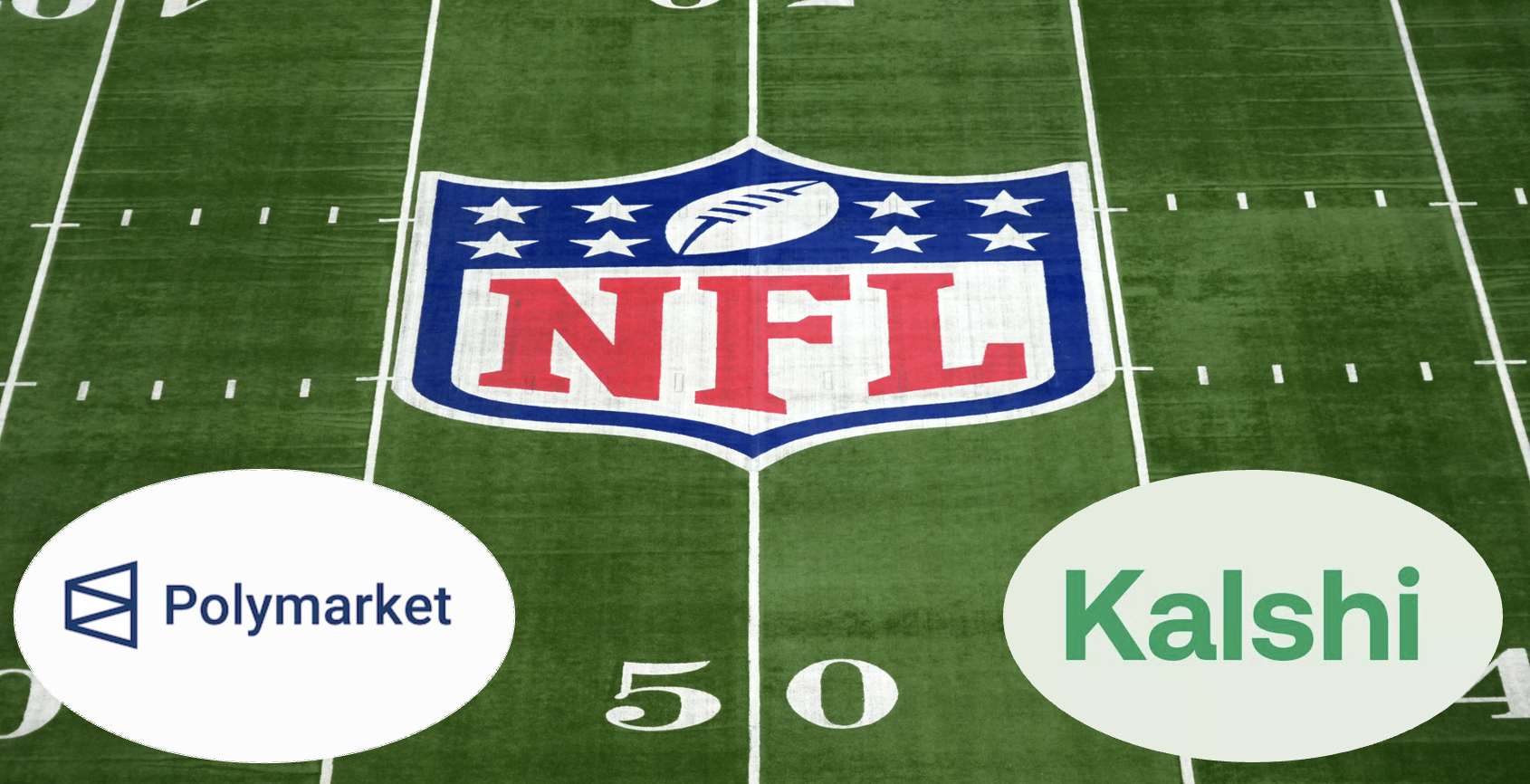
Prediction markets like Kalshi and Polymarket have added a whole new wrinkle to the sports betting industry, and it is making the NFL and others incredibly nervous.
Prediction markets have made their way into sports after first becoming popular for bets on political and social events. Very quickly, platforms like Kalshi and Polymarket have tapped into the already massive ecosystem that exists for sports betting and are trying to take full advantage. That has led to lawsuits over their activity, as they are operating unlicensed sports betting. And the platforms haven’t done themselves any favors by associating with fake sports insiders, further calling into question their legitimacy.
Now they are being targeted by the NFL.
According to ESPN’s David Purdum, the NFL has reached out to Congress about its serious concern over the rise of unregulated prediction markets, which go beyond what sportsbooks offer and lack guardrails. NFL executive Jeff Miller submitted written testimony to the House Committee on Agriculture, which is overseeing a hearing on the matter.
In that testimony, Miller and the NFL said they are “particularly troubled” by the sudden rise of prediction markets.
“We are particularly troubled that several sports-related futures contracts have been launched nationwide, including in jurisdictions where sports betting has not been legalized,” Jeff Miller, an executive vice president for the NFL, wrote in the testimony. “These contracts fall outside the purview of state regulatory authorities and the safeguards they impose upon the industry.”
Miller warned that the amounts wagered on prediction markets could far exceed those at sportsbooks, creating “substantially greater risks to contest integrity.”
“In each of these state-regulated markets, regulators and state legislators closely monitor betting activity and, with input from professional sports leagues, can determine which bets and wager levels are acceptable,” he wrote. “Those guardrails do not exist in prediction markets.”
Miller pointed to a prediction market accepting trades on whether phrases such as “concussion protocol,” “late hit” or “roughing the passer” would be mentioned during game broadcasts last weekend.
“Congress and the CFTC should prohibit these and other types of objectionable bets among the many consumer and integrity protective measures needed before sports-related events contracts are legalized,” Miller wrote.
The rapid legalization of sports betting was always going to come with some curveballs, and the rise of unregulated prediction markets may be the biggest. Platforms like Kalshi and Polymarket provide a workaround for people who may not yet have access to legal sports betting or are looking for markets that are not offered by the mainstream sportsbooks.
This kind of marketplace is the wild west of sports betting, a completely open world. That means it could be prone to manipulation in various ways. The NFL noted that one prediction market ran a pick on what words might be said during a particular broadcast.
Naturally, the prediction markets have fought back, arguing that what they are doing is above board and legal. They say that people who wager are trading contracts against each other rather than gambling. But with the weight of the NFL, the sportsbooks, and perhaps even Congress fighting against them, it’s going to be an uphill battle towards legitimacy.