
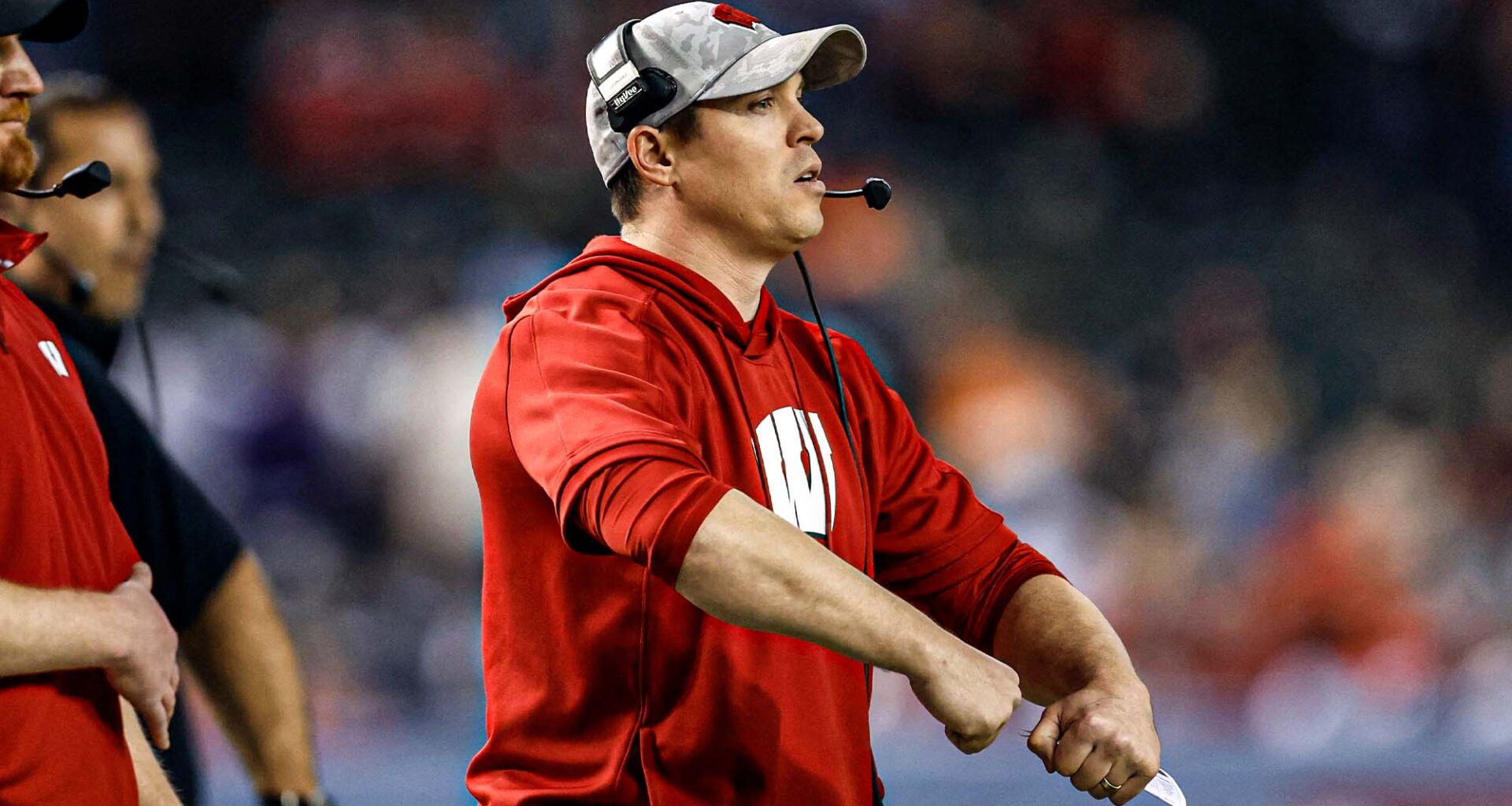
Following the in-season firing of Steve Wilks, the New York Jets are searching for a new defensive coordinator.
Under Wilks, the Jets’ defense was among the league’s worst in every major statistical category. Now, the Jets are back on the market looking for their second DC of the Aaron Glenn era.
After the miserably failed Wilks experiment, there are many lessons Glenn must take into consideration when targeting his defensive coordinator for the 2026 season.
Two things, in particular, must be prioritized by the Jets.
Schematic philosophy
One of the primary reasons Wilks didn’t work out in New York is that his defensive philosophy was entirely different than that of Jets head coach Aaron Glenn. Wilks is known as a zone-heavy coach, while Glenn prefers man coverage.
The Jets’ next defensive coordinator needs to align with Glenn’s schematic philosophy, which is something Glenn himself highlighted at the Jets’ season-ending press conference. That is a main reason that hiring a coach like Wink Martindale would be nonsensical for New York.
The top options whose schematic approach appears to align with Glenn include Philadelphia Eagles defensive backs coach and passing game coordinator Christian Parker, Denver Broncos defensive pass game coordinator and associate head coach Jim Leonhard, Minnesota Vikings defensive pass game coordinator Daronte Jones, and Chicago Bears defensive backs coach and pass game coordinator Al Harris.
While Glenn should look for a coach with schematic compatibility, he should also prioritize adaptability in his search. Another one of the main reasons Wilks flamed out in New York was his schematic stubbornness. The veteran coach showed little willingness to adjust, leaving his players out to dry on a weekly basis.
Glenn needs a DC who not only sees eye-to-eye with him, but is open-minded enough to adapt on the fly when things are not working.
Development track record
After the 2025 season, the Jets require upgrades on all three levels of the defense. Beyond roster additions, Gang Green needs a coordinator with a reliable track record of developing core pieces.
New York needs a coach who can put his players in positions to be the best versions of themselves, rather than trying to force them into a mold. Many players regressed under Wilks’ watch, in large part because of his rigid scheme, including defensive captain Jamien Sherwood, Will McDonald, and Quincy Williams, among others.
As the Jets revamp their defense, they must keep in mind that high-quality talent development is what makes a great defensive coordinator in the modern-day NFL. Defensive success in today’s league is as much about molding your scheme to the players as it is the other way around.
After whiffing on his DC hire in year one, Glenn must get this one right. Finding a coach with a proven ability to develop players has to be a priority. Glenn isn’t in a position to take a risk.
The good news is the second-year head coach will have a large pool to choose from.