
On July 1, 2021, the college football world changed forever.
That is the day that the Name, Image, and Likeness (NIL) policy officially began in the NCAA.
After decades of student-athletes being punished for attempting to make money off their success on or off the field, the floodgates were opened. They could now make money from sponsorships or official deals using their name, which universities were already using to rake in billions of dollars as college athletics, especially football, rose across the nation.
Out in Southlake, Texas, a young quarterback phenom named Quinn Ewers was wowing fans at the top level of high school football. Sporting a blonde mullet and a cheeky grin, prospects and advertisers were falling in love with the signal-caller who would eventually commit to Ohio State and early enroll in the summer of 2021.
At the time, the now Miami Dolphin could have never expected how a decision in court would change his entire life. Before he knew it, Ewers had become the initial test subject of the NIL at its highest level. A superstar prospect QB with nearly perfect scouting grades across the board, entering a new era of college football.
His longtime agent, Ron Slavin, an experienced and respected figure in the NFL, spoke about the moment everything changed in NCAA athletics.
“I know coach [Steve] Sarkisian always says Quinn was actually the first and maybe the only guy ever that will have made 90% of his money from actual advertisements,” said Slavin, talking about Ewers following his transfer to Texas from Ohio State in late 2021. “With EA Sports, Uber, Uber Eats, Hulu, like all the Panini trading cards. All the big brands were paying this kid, and now NIL is revenue share and more of an NFL model.”
At the start of NIL, Ewers was the blueprint. Student-athletes were being paid, but it was from ad deals or maybe even a local commercial. Players were taking on unique sponsorship roles to get paid. Although the money behind those commercials was sometimes propped up by alumni of the university they were playing for, it still fit what NIL was created for: allowing players to use their brand through third-party channels to make money.
Although fans believe Ewers took a massive paycheck to sign with the Buckeyes, Slavin denounced the rumor. Ewers agreed upon a memorabilia deal for $1.4 million, which set him up alongside his other advertisement streams.
Five years later, what was once kids making fun of their nicknames in social media posts for the local air conditioner store has turned into a full-fledged NFL free agency on steroids. After the NCAA began allowing players to freely transfer from program to program each year with no playing restrictions, and as college booster funds and NIL foundations grew, nothing has ever been the same.
Now, Slavin says, instead of unique commercial ideas or ways to promote a player, it’s no different than what he works with in the NFL. The schools sign the players, cross their fingers they play well, and then are forced to do it all again the next offseason with the threat of another program offering even more money.
That’s why Slavin, along with partners Jared Fox and quarterback guru Rich Scangarello, has joined LIFT Sports Management. Their mission is not only to help the top student-athletes in the nation get paid, but also to set them up for future success in the pros or in any field they desire following graduation.
Scangarello, former offensive coordinator for the Las Vegas Raiders and San Francisco 49ers, joined the team due to sharing a similar vision with Slavin.
College quarterbacks are being improperly developed and fundamentally destroyed in this new transfer portal age, and they want to stop it.
“Quarterback is the hardest position in all of sports and one of the hardest things on the planet to do at the highest level,” Scangarello said. “And to be elite in the NFL, there are a million variables that get in the way and can derail you. … It’s always been a brutal path and only the strongest and mentally toughest and uber talented have been able to excel at it.
“The level of coaching in college has fallen off a cliff. The NFL style of play is unique and completely different and foreign to everything a kid is doing in high school, in college. And that wasn’t the way 15 years ago.”
Before becoming the Raiders’ OC in 2024, Scangarello served as the offensive coordinator for the Kentucky Wildcats, working with QB Will Levis. Scangarello was impressed by Levis, but then witnessed how the game had shifted with the NIL.
Kids who were getting big deals as freshmen were getting time over better, older players because they had to justify how much money they were getting paid. It was jarring. Teenagers, some of whom didn’t even have their driver’s licenses yet, were being offered life-changing sums of money with no support structure to help them grow once they landed on campus with nothing but impossible expectations weighing on their shoulders.
More news: Brendan Sorsby’s Texas Tech Transfer Comes With a Massive Price Tag
More news: LSU’s Lane Kiffin Accused of Using Transfer Portal to ‘Destroy’ Ole Miss
This most recent transfer portal, LIFT, featured some of the brightest prospects in college football, but was headlined by two superstar QBs who could sign with almost any program in the country.
Cincinnati’s Brendan Sorsby and TCU’s Josh Hoover.
Slavin and Scangarello knew both signal-callers would have a long line of suitors, but coordinated with their clients to make sure their destinations would do two things: set them up for short-term success with a team that could win the College Football Playoff next season, and ultimately prepare them for long-term success in the NFL.
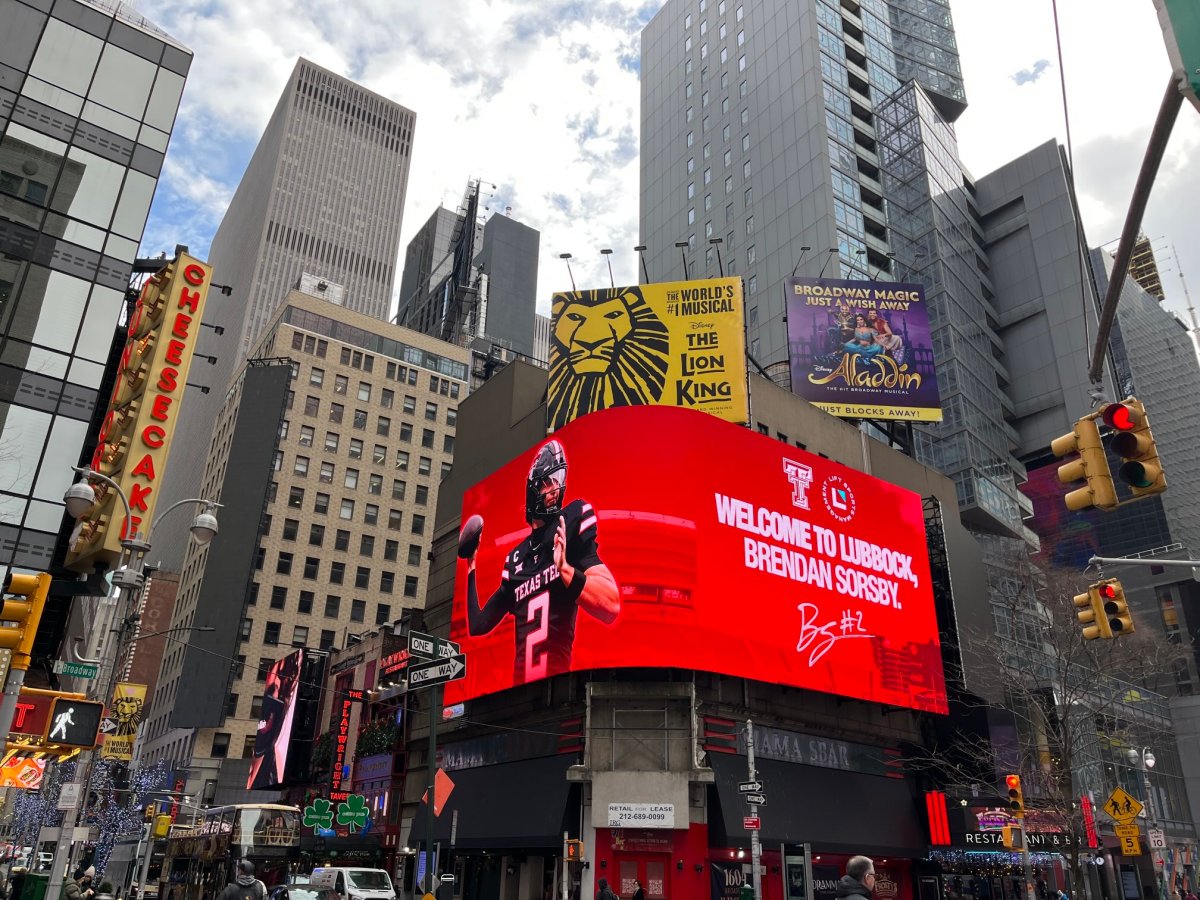
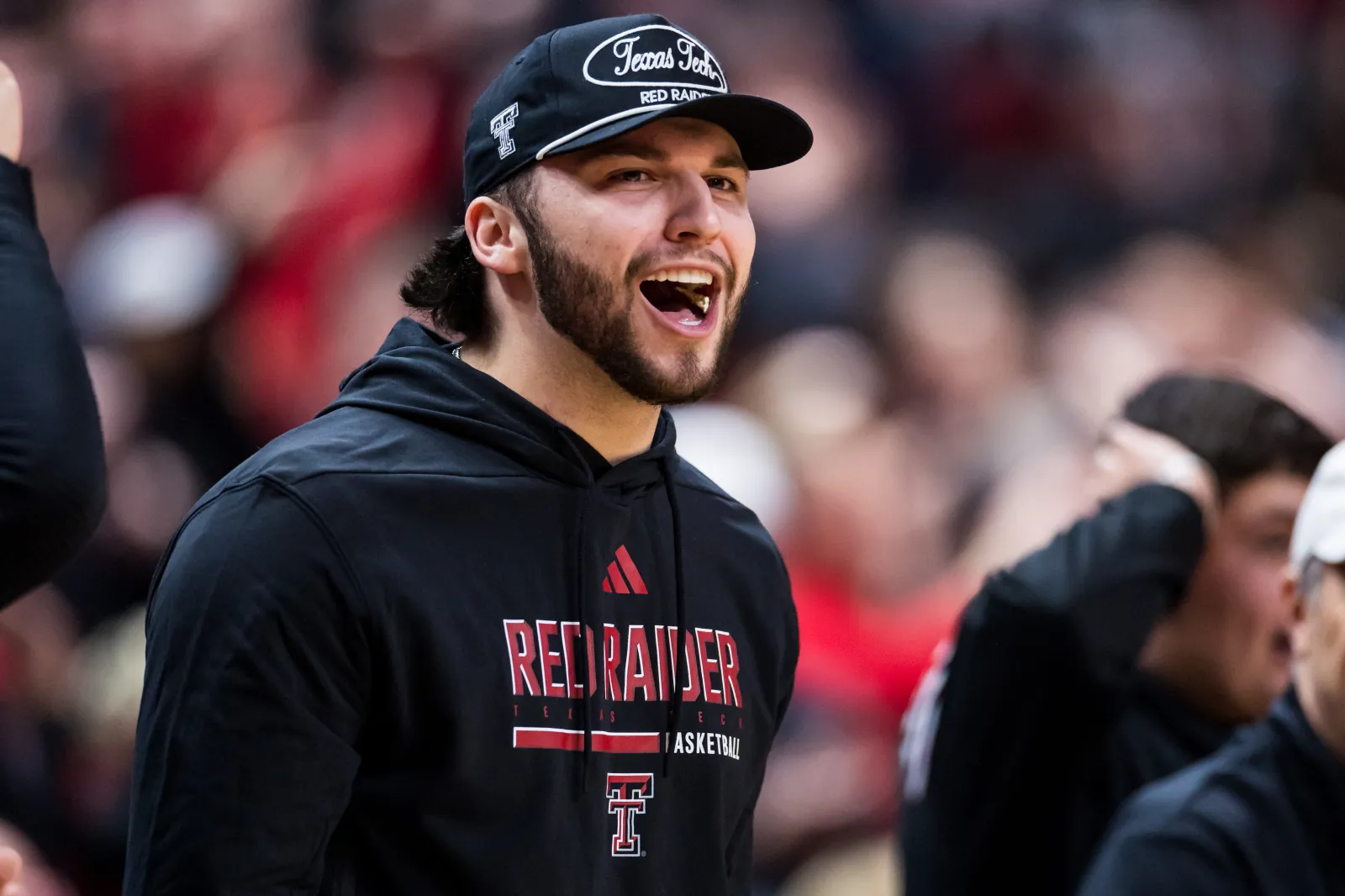
Sorsby, cited by ESPN as the No. 1 player in the transfer portal, had three programs he was considering playing for in 2026. The LSU Tigers, the Miami Hurricanes, and the Texas Tech Red Raiders.
Following a trip to Lubbock to open up his recruiting tour, the 6-foot-3 physical gunslinger fell in love with the facilities and the staff he met. Before he even finished his trip with LSU, he called Slavin and told him that the Red Raiders were his choice, eventually signing a deal for over $6 million.
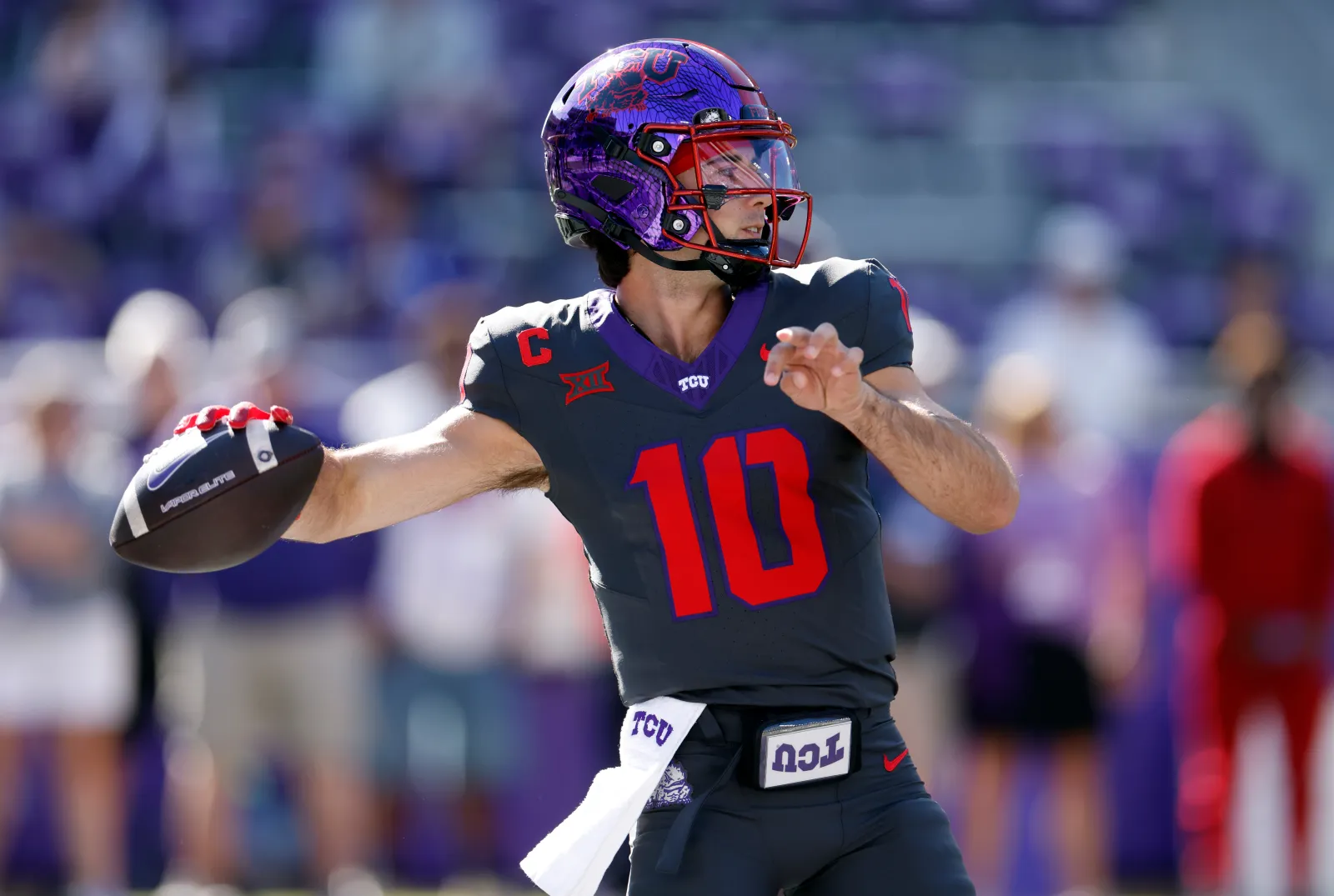
In Hoover’s case, who signed later, his four options were Ole Miss, Kentucky, Louisville, and Indiana. From the start, the Hoosiers were Hoover’s dream place to play, having previously committed to them before changing to the TCU Horned Frogs.
During his three years as the TCU starter, Hoover has thrown for 9,627 yards and 33 touchdowns.
“I knew when I got on campus that I wanted to play for Coach Cig and Coach Whitmer,” said Hoover in an interview with Newsweek. “Offensively, it was a great fit, and I loved the people here.”
Slavin shed light on the mayhem of the new age we’re living in for college football. Because the transfer portal opened and closed during the College Football Playoff, Cignetti was juggling multiple responsibilities in the air while preparing for the biggest games in the university’s history.
Not only did he have to talk to potential transfer portal recruits, but he also had to maintain his due diligence on kids coming up from high school and keep his team focused on the task at hand.
This led to a situation in which Fernando Mendoza and his younger brother, Alberto, had to show Hoover around campus. The same Alberto, whose goal was to be the starting quarterback for Indiana in 2026 following his brother’s departure to the NFL.
Alberto transferred shortly after the Hoosiers’ national championship win, moving to Georgia Tech, where he will have a chance to be the team’s starter this coming fall.
While chaos reigns supreme in college football, Slavin and Scangarello want to be a stabilizing point at a time when nothing is certain for these young adults. One day, they’re the king of the campus, and the next, they’re yesterday’s news, forgotten and replaced by the new shiny prospect.
In total, LIFT secured $45 million in deals for its line of players during the transfer portal. The quarterbook room, headlined by Sorsby and Hoover, was $17.5 million.
But it’s only the start for the small team.
The NFL career is three and a half years for a reason, the pair believes. They aren’t prepared well enough in college and rely too much on their raw talent. After making the transition to the pros, that is no longer sufficient to withstand the physical and intellectual demands needed to survive.
LIFT not only wants their prospects to survive, but to thrive once they reach the pros.
“The ultimate goal here is to build the perfect ecosystem for these guys,” Scangarello said. “It’s about the quarterback. It’s about the player they are. They’re the talent — they’re the reason we’re all enamored with the game, and we’re in this business. And my purpose, and all this, is just to help those guys reach whatever ceiling they have and make sure nothing gets in the way of it.
“And if they do that, you know, I think that the future is going to be huge for what we’re launching right now with what road we’re on, and I can’t wait to see where it ends.”
Ewers was the pioneer. Sorsby and Hoover are the evolution. And whichever college QB signs with them next, LIFT want to help them become the standard.