Jan. 31, 2026, 12:08 p.m. ET
It seems we have this conversation every offseason. It’s part of the NFL and the Philadelphia Eagles‘ culture. Roster turnover is inevitable. There simply isn’t enough money to go around.
It never is. Even though we have learned that pro football’s salary cap will increase again, Philadelphia and the other 31 franchises will be forced to make some tough decisions about payroll.
The Eagles aren’t facing a full-blown crisis, but they also don’t have the luxury of standing pat. With limited rollover space and significant dead money already on the books, every roster decision carries added weight this offseason.
Per Over the Cap, the Eagles have $10,475,126 available to roll over to 2026 and $44 million in dead cap space. They’ll continue to tinker with the numbers to make more room, and there are some obvious spots where it would behoove them to do some tinkering. Ladies and gentlemen, Sydney Brown’s name has entered the chat.
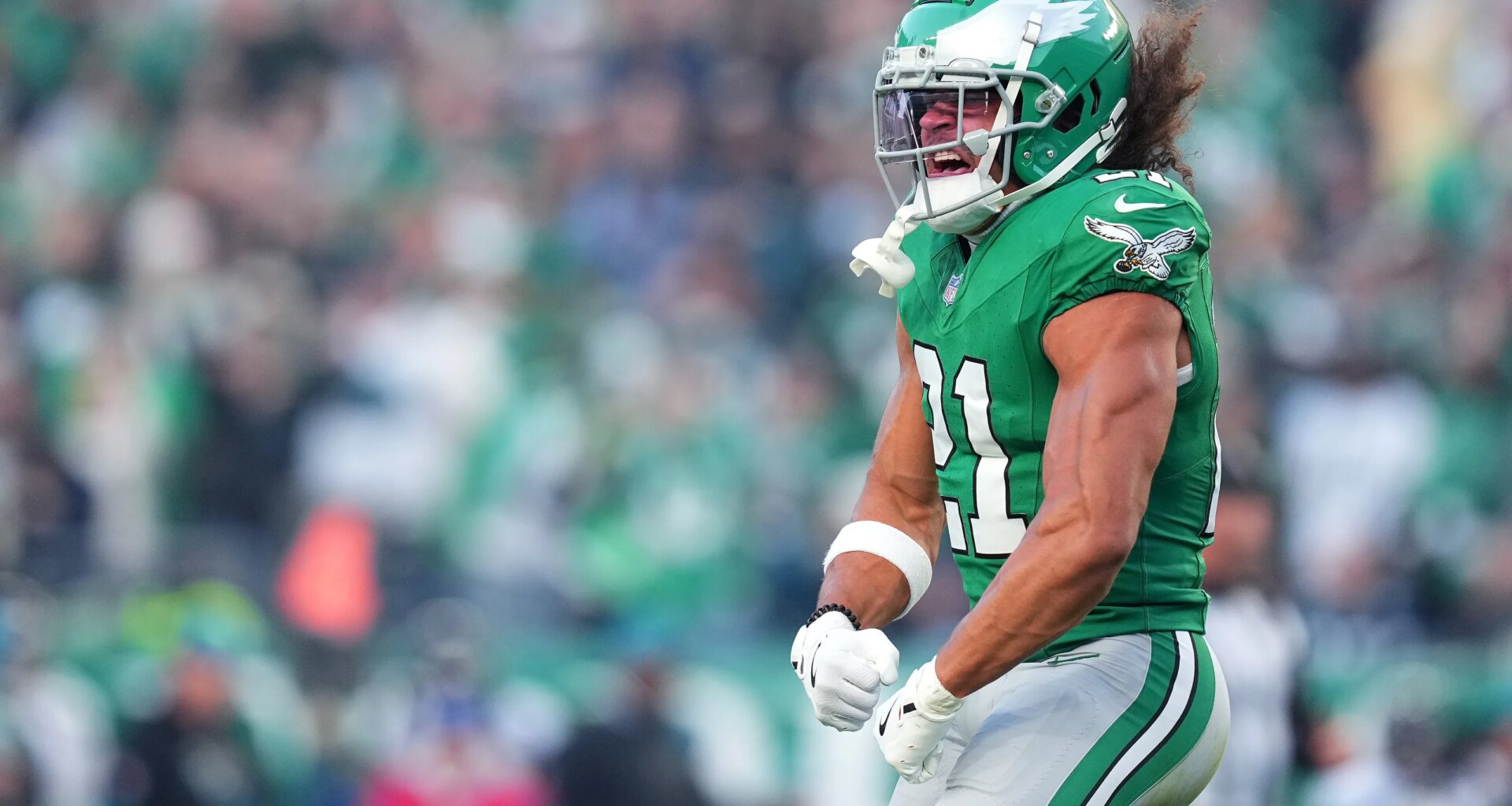
Sydney Brown unsurprisingly lands on a list of potential Eagles salary cap casualties.
Bleacher Report’s Alex Ballentine crafted his list of every team’s most likely cap casualties. Sydney Brown, Michael Carter II, and Byron Young are named when the conversation shifts its attention to Philadelphia. The Eagles save $8.7 million by cutting Carter before June 1. They would save $1.5 million by moving off Byron Young.
Expert NFL picks: Exclusive betting insights only at USA TODAY.
Brown clearly stands out here. He’s a former third-round selection that the organization and fan base seemed excited about. His first career pick-six covered the entire field, but since then, he has been a major disappointment. Ballentine lists the following as some of the reasons for Brown’s inclusion.
“The Eagles don’t have a lot of cap space, so they might want to take their savings where they can find it. That could put Sydney Brown in danger. He would only offer $1.5 million in savings, but that’s with very limited dead money attached… Brown saw significant action in a few games, but only played 22 percent of the snaps. There has been a path to playing time at safety over the last few seasons, but Brown has never seemed to break through.”
We probably shouldn’t guess, but we will anyway. As Ballentine states, it seems uncharacteristic for the Eagles to move off a young interior defensive lineman who can rush the passer, which puts more of a spotlight on Brown, who has seemingly taken steps backward as his career has gone on.
That reality forces Philadelphia to examine not just veterans with big contracts, but young players whose production hasn’t matched their opportunity. This isn’t an indictment of Brown’s talent as much as it is a verdict on his trajectory. The Eagles have needed answers obvious at safety, and despite early career flashes, this safety hasn’t seized the role when the door opened.