
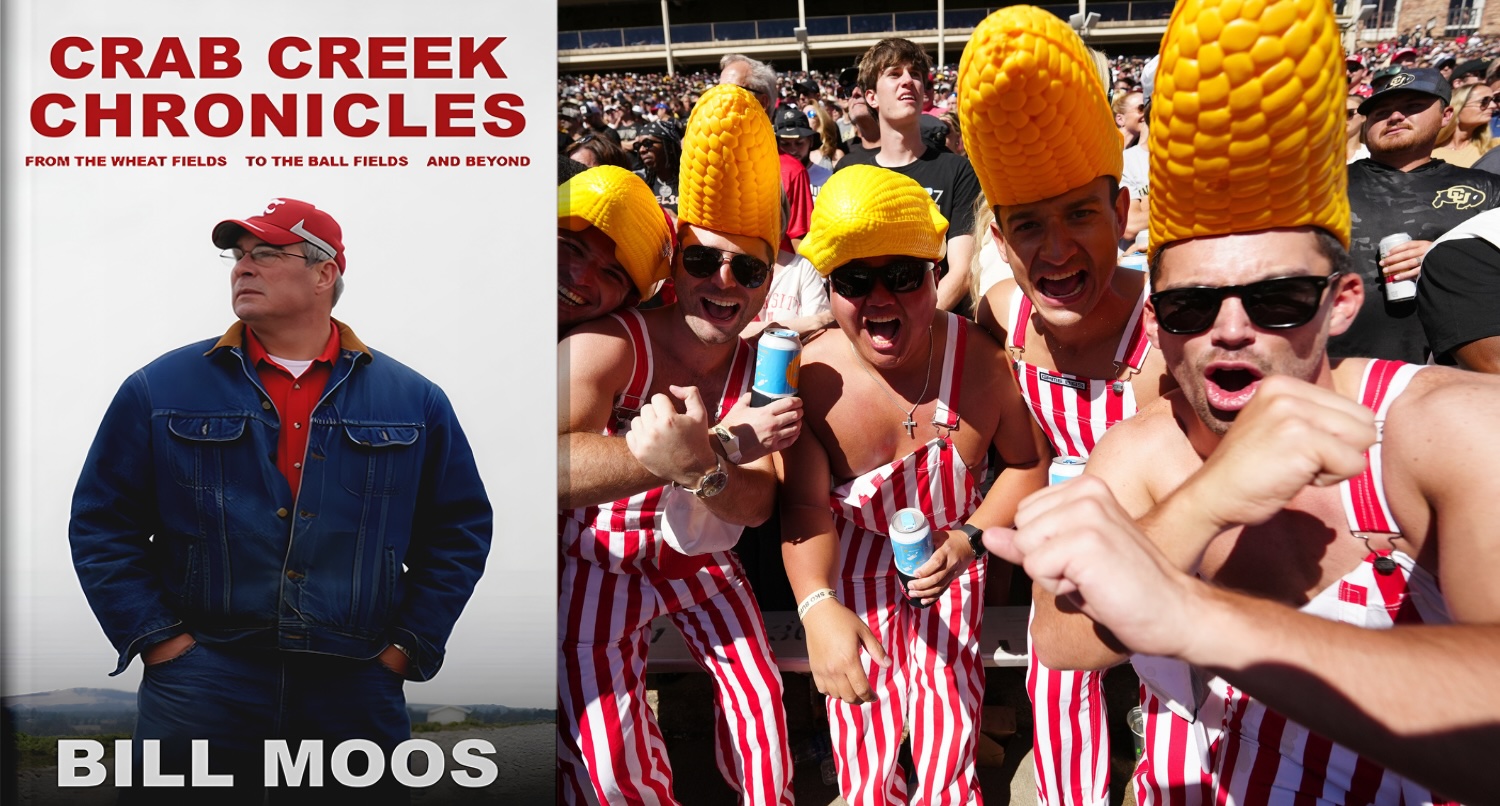
Bill Moos was an athletic director for several prominent universities, including Oregon, Washington State, and Nebraska.
Now retired, he’s released a tell-all book titled Crab Creek Chronicles: From the Wheat Fields to the Ball Fields and Beyond. The former All-Pac-8 offensive tackle offers insights and stories from a 40-year career in athletics administration, culminating in his tenure with the Cornhuskers between 2017 and 2021.
Among many interesting tidbits, Moos claims that while he was at Nebraska, he put in motion a secret plan to leave the Big Ten and return to the Big 12.
The school changed conferences in 2011, ending its membership in the Big 12/Big 8/Big 6 dating back to 1907. While it was just one of many conference realignment moves that shook the foundation of college athletics, this change was especially shocking at the time. Nebraska was a cornerstone of the Big 12, and its departure prompted Texas A&M, Oklahoma, and Texas to leave the conference, ending decades-long rivalries with those schools and others in the region. In the years that followed, the once-mighty football powerhouse became a middle-of-the-pack program and eventually a basement dweller under coach Scott Frost, a period that coincided with Moos’s arrival.
Enjoy everyone https://t.co/oIfoEIOTh1 pic.twitter.com/R6YKfseVFF
— Matt McMaster (@MattMcMedia) February 10, 2026
In his book, Moos explains that after speaking with many Nebraska fans upset by the longer travel and higher costs involved with following the school in the Big Ten, he began to “implement my stealth approach to exploring possibilities by secretly testing the waters of returning to what was still known as the Big 12.” He says that he backchanneled to then-conference commissioner Bob Bowlsby and felt it was a “realistic possibility.” When he learned Bowslby was open to the possibility, he set a meeting. Moos claims Bowlsby believed not only that Nebraska could rejoin the conference but also that it might receive a full TV revenue share immediately. They both agreed that if they needed another school to come with the Cornhuskers to keep the numbers even, former Big 12 member Colorado would be an ideal choice.
With things looking good, Moos says he informed University of Nebraska-Lincoln Chancellor Ronnie Green and the President of the University of Nebraska System, Ted Carter, of his covert operation. While Green told Moos that the school faculty would almost certainly vote against it, Carter “was intrigued with the idea and told me to continue feeling things out.”
The covert operation appeared to fall apart when Carter later told Moos that only two regents (of 12) were in favor of the proposed move. Moos says he was frustrated with the outcome, given that it appeared the Big 12 was on board. Moos also felt frustrated with the lack of communication from Carter, who left Nebraska to become President of The Ohio State University in 2024.
A few interesting things in the new Bill Moos book:
Moos wanted to pursue Dana Altman but was restricted from doing so.
Moos was thinking about rejoining the Big 12 pic.twitter.com/EfI4tJ8akn
— The Husker Depot (@TheHuskerDepot) February 10, 2026
Fans’ concerns about long-distance travel and the lack of traditional rivalries are certainly valid and worth consideration, but Moos doesn’t appear to account for the significant financial disparity between the two conferences. Currently, Nebraska receives over $70 million in annual revenue from the Big Ten Conference. Big 12 schools, meanwhile, are receiving between $35 million and $40 million, with newer members receiving less. With a 2025 operating budget of $175 million, that matters to a school like Nebraska, especially as they continue to figure out their way back to football supremacy.
Not to mention that. Nebraska would have been returning to a conference that was almost certainly still going to lose Oklahoma and Texas, leaving them to be the only traditional powerhouse left standing, and it would have likely decimated their chances at success even further. By all accounts, the school should be thankful that Moos’s vision never came to fruition, even if they’re upset with perennial 7-6 football seasons.