
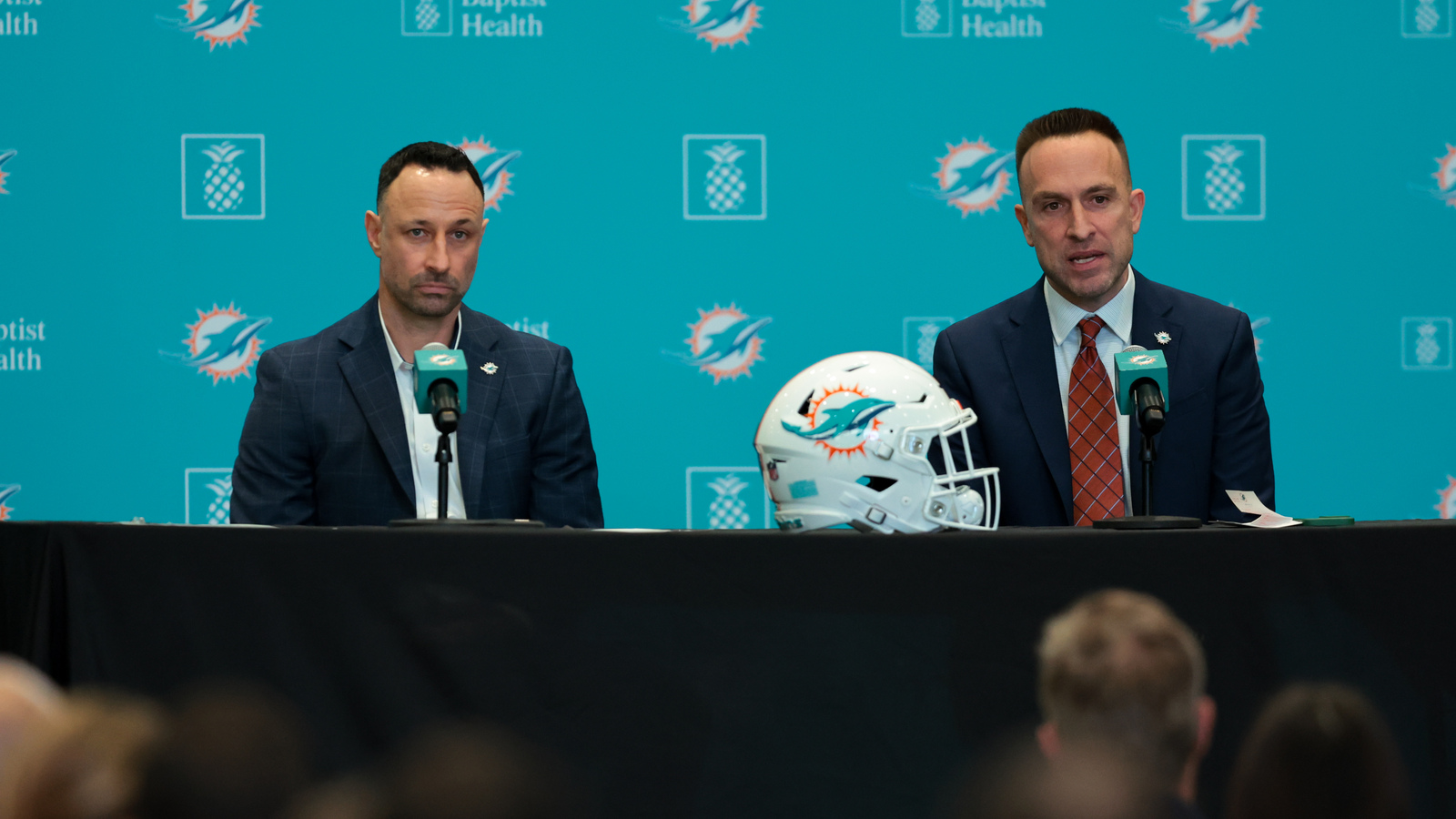
“We will utilize free agency. We have to get back to a spot within the salary cap that will allow us to do that and we will, but I think if you look over the years at the intentionality of which they’ve gone about it – Ted (Thompson) was Charles Woodson. When Brian Gutekunst first took the job, we were a little more active to kind of jumpstart the roster. Za’Darius Smith, who was an All-Pro that year. Preston Smith, who finished his Green Bay tenure with 37.5 sacks. Obviously, Josh Jacobs and Xavier McKinney the years before,” explained Sullivan.
But don’t blink. Because here comes the important part.
“We’re not just checking boxes so that we can look busy. We’re intentional about the caliber of player and then what they bring to the locker room. You can’t have good culture if you’ve got guys that aren’t bought in and wired right for what you’re trying to build. That’s what I would say is we’re going to build through the draft and we’ll be very selective and deliberate in free agency. I think you have to be. If you’re not, you’re treading in dangerous waters.”
What does that look like in practice in Green Bay?
The Packers have done exactly what Sullivan described — they’ve been willing to spend on a few perceived impact players on the open market. But the list is pretty exclusive in recent history. Since 2020, the Packers have signed just six players on the open market of free agency that received an annual average salary higher than $2.5 million per season. It’s an average of one “big” contract per season. And four of the six have come in the last two years.
Here are the six “big” contracts the Packers have given out since the last six free agencies:
OG Aaron Banks: 4-years, $77M ($19.25M annual average) in 2025
CB Nate Hobbs: 4-years, $48M ($12M annual average) in 2025
SAF Xavier McKinney: 4-years, $67M ($16.75M annual average) in 2024
RB Josh Jacobs: 4-years, $48M ($12M annual average) in 2024
DT Jarran Reed: 1-year, $3.25M in 2022
OT Ricky Wagner: 2-years, $11M ($5.5M annual average) in 2020
That’s it, gang. That’s the list. The Packers have only given out one additional contract over that same six year window with an annual average between $2 million and $2.5 million — so when Sullivan talks about avoiding “checking boxes” as a free agency approach, you can be rest assured that he actually means it. Six contracts north of $2.5 million annually in six years. Now here comes the fun part. Guess how many the Miami Dolphins have signed above that average dollar amount in the same period of time?
The Packers have signed six contracts since 2020 north of $2.5 million annual average to new players from other teams in free agency. The Miami Dolphins, under the direction of former general manager Chris Grier, signed THIRTY SIX players from outside the organization to contracts valued above $2.5 million per year.
If you’re expecting the Dolphins to walk through free agency this year signing mid-tier or middle-class free agents to help fill out their roster just because they don’t have the spending power to swing for the fences, it may be worth reconsidering. The Packers haven’t made it a habit of treating unrestricted free agents like daisies to pluck and shop for extensive starters from outside the ecosystem. The Dolphins have lived by this approach in recent years. Presumably not anymore.
This isn’t anything you haven’t heard over the last month or so since Sullivan was installed atop the pyramid. But it is still jarring to see the actual numbers, while also reassuring to know that there is years of action behind the words we’re hearing for the plan in Miami.