
College sports remain at a crossroads. And the president of the United States is once again getting involved.
President Donald Trump is slated to host a panel on the future of college athletics Friday at the White House, featuring an extensive committee of key stakeholders, professional sports figures, politicians and business leaders. The meeting has been confirmed and is expected to take place as scheduled, according to people briefed on the event who were granted anonymity because they were not authorized to discuss it publicly.
College sports is a multi-billion-dollar business that’s under siege on multiple fronts, with the NCAA and power conferences failing to enforce rules, battling a never-ending series of lawsuits and desperately seeking a Congressional life raft. Even with a new model that allows schools to directly pay athletes, millions of dollars spent lobbying on Capitol Hill and a slew of drafted bills that would provide antitrust exemptions, the problems continue to multiply. Much of it is occurring at the highest, most visible levels, but the impact is also felt by non-revenue and Olympic sports, and smaller schools and conferences are struggling to adapt to a new financial landscape.
With this roundtable, the country’s highest office is wading further into that quagmire.
“Everything thus far has failed,” said one person involved with the meeting. “This is a new attempt to get some consensus.”
Trump will chair the panel, working with expected vice chairs Secretary of State Marco Rubio, Florida Gov. Ron DeSantis and Yankees president Randy Levine. Invitees include college sports leaders such as NCAA president Charlie Baker, commissioners from the Power 4 conferences and Group of 6 ranks, select athletic directors, university administrators — including Trump adviser and Texas Tech board chair Cody Campbell — and former coaches Nick Saban and Urban Meyer; sports executives such as NBA commissioner Adam Silver, CEO of the USA Olympic Committee Sarah Hirshland, and New England Patriots president Jonathan Kraft; former Secretary of State Condoleezza Rice; media executives such as ESPN chairman Jimmy Pitaro and Fox Sports CEO Eric Shanks; and business leaders such as Gerry Cardinale, David Blitzer and Marc Ganis, among others.
There were no known current college athletes expected to attend. The advocacy group Athletes.org released a statement on Thursday speaking out against what it called a lack of inclusion.
“We deserve more than decisions handed down to us without our input, a precedent that has defined the history of college athletics and athlete participation,” the statement read in part. “If there is a real conversation about fixing college sports, it will start with us at the table and it will end with one thing: a fully negotiated collectively bargained agreement, where we, the athletes, negotiate the terms of our participation.”
Friday’s meeting represents a large and loose committee under Trump’s Saving College Sports initiative, which produced an executive order last summer that was also aimed at addressing the industry’s many issues. The panel expects to discuss those topics, including future governance and structure, media rights, funding for non-revenue sports, athlete compensation and representation, collective bargaining and antitrust exemptions.
This is the first meeting for the committee and will be largely introductory, but the ultimate goal, according to sources briefed on plans, is to get key college sports leaders on the same page about the best path forward, and then translate that into bipartisan federal legislation that can get through Congress, ideally, before the midterm elections this fall.
That’s a very challenging proposition. Some consider it unrealistic.
The NCAA is a massive organization, representing more than 1,000 schools and 500,000 athletes. In many ways, it’s a plural entity that tries to operate as a singular, which can fuel some of the industry’s dysfunction and instability. Even the leaders expected to attend Friday’s roundtable have differing views on important topics. For example, the Big Ten and SEC — which have been at odds over the College Football Playoff format — recently co-distributed a report that opposed efforts to amend the Sports Broadcasting Act and pool television rights similar to the NFL and NBA, something Campbell has publicly advocated for.
The Big Ten and SEC have distributed a white paper to lawmakers on Capitol Hill detailing their opposition to the pooling of media rights, a proposal proponents say could triple the value of those rights.
The SEC and Big Ten dispute that theory. Summary of the 8-page paper. 👇 pic.twitter.com/XiGqMAkmws
— Ralph D. Russo (@ralphDrussoATH) February 26, 2026
The SBA provides pro leagues with an antitrust exemption that allows them to pool media rights. And while college sports leaders are divided on that particular matter, many of those same leaders are seeking similar Congressional antitrust exemptions regarding name, image and likeness compensation and revenue sharing with athletes, as well as eligibility, which would allow the NCAA and other governing bodies to establish and enforce rules (and preempt varying state laws) without being challenged in court.
College athletes are not employees, and therefore do not have certain employment benefits or the ability to unionize, which has become a political sticking point, with many Democrats in Congress and athlete advocate groups wanting better athlete representation and protections. It’s why several proposed bills, including the SCORE Act, have failed to even reach the floor for a vote.
Sources briefed on plans for the roundtable said that Trump feels compelled to step in and try to foster common ground among college sports leaders and Congress.
Congressional input will need to be bipartisan, particularly to pass the Senate, where the Republicans hold a narrow majority. Those who believe in a bipartisan path to college sports reform often point to the fact that college sports impact every state and constituency.
However, others are dubious that enough Democrats in Congress will get on board for something that could be touted as a legislative win for Trump prior to the midterms. When considered alongside the fact that those in the industry can’t agree on certain issues, it underscores why this is such a difficult task.
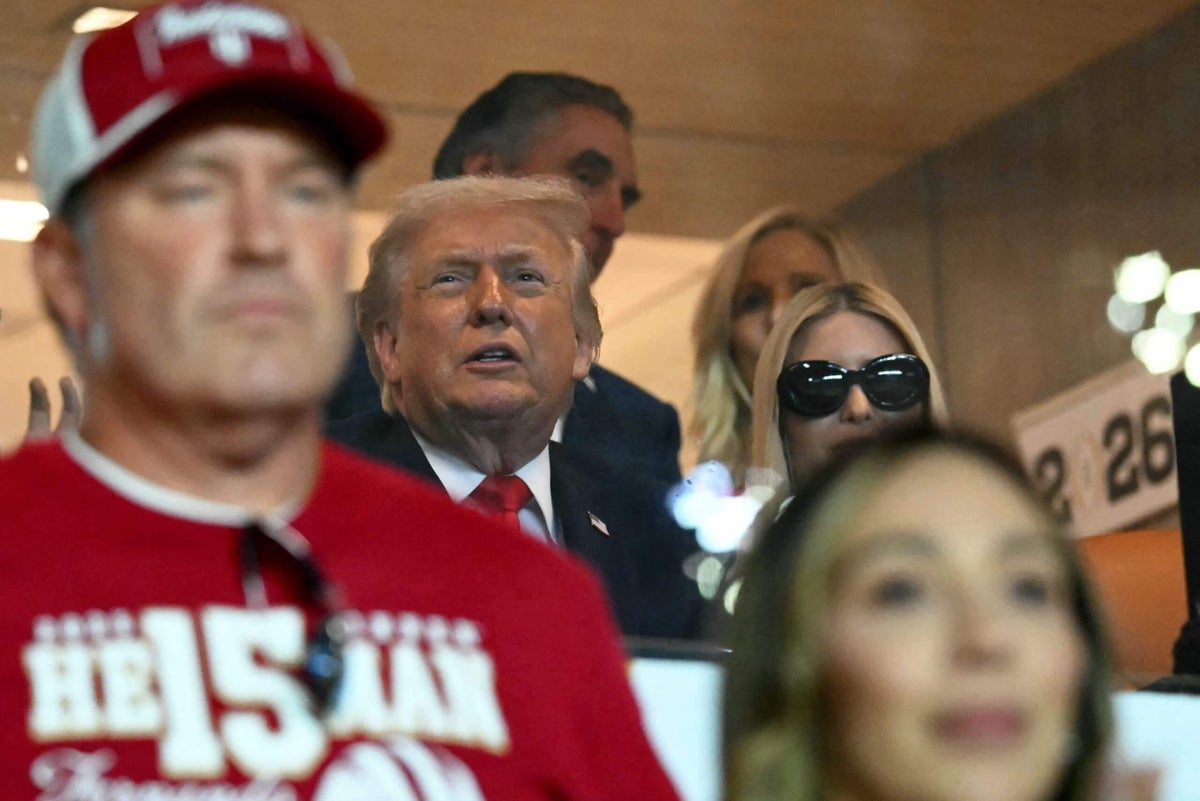
Trump has repeatedly signaled an interest in college sports while in office. In addition to the executive order last year, he has attended numerous college football games, including the Army-Navy game in December and the national championship game in January. The president also explored a presidential commission that would have been co-chaired by Saban and Campbell, but it was ultimately paused.
Friday’s event suggests college sports will remain an ongoing focus for the president, as the industry continues its search for stability.
“There have to be some answers,” said one source, “or the system will implode.”