
As a writer for Mile High Huddle, I’ve examined the Denver Broncos’ strategy in free agency, in which they have mostly avoided signing free agents from other teams and, instead, brought back their own players. There have been a couple of exceptions (the trade for Jaylen Waddle and the signing of Tycen Anderson) but it’s mostly been about keeping their own.
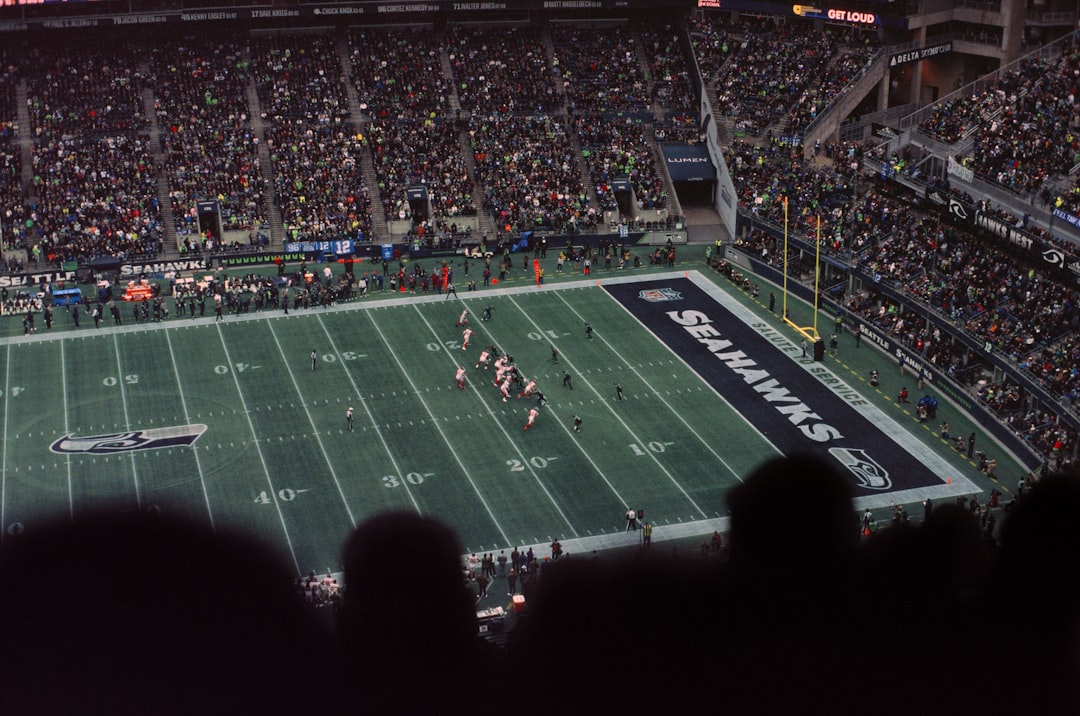
Meanwhile, another team hasn’t avoided free agents from other teams as much as the Broncos, but has been approaching a strategy that isn’t far removed from the Broncos’ strategy. That would be your Super Bowl 60 champions, the Seattle Seahawks.
What does make the Seahawks stand apart from the Broncos is that they have allowed more of their unrestricted free agents to sign with other teams — and one of those free agents happened to be Super Bowl 60 MVP Kenneth Walker III. And in the case of the Seahawks, all the players they have signed elsewhere are players the Seahawks drafted and developed.
But the basic strategy the Seahawks have employed has been more about taking care of their own players first than fixating on players from other teams. They did this after entering 2026 with a lot of cap space, which allowed them the chance to bring back as many of their unrestricted free agents as they wish.
Along with Walker, the Seahawks lost safety Coby Bryant, edge rusher Boye Mafe and cornerback Tariq Woolen to other teams. But the Seahawks retained 17 players who were eligible for free agency. Some of them were set to become exclusive rights free agents (who can be tendered for a low salary) or restricted free agents (but if they aren’t tendered, they become unrestricted free agents). The most notable player they retained, Rashid Shaheed, was a player they acquired in a midseason trade with the Saints.
However, keeping 17 players who were part of the Super Bowl 60 team is notable, particularly with most of them being players who have been with the Seahawks for multiple seasons.
On top of that, the Seahawks gave significant extension to two of their recent first-round picks, 2022 first rounder Charles Cross and 2023 first rounder Jaxon Smith-Ngjiba, and could do the same with another recent first-round pick, 2023 first rounder Devon Witherspoon.
That strategy looks similar to the Broncos, who brought back 17 of their own free agents (again, some were exclusive rights free agents who were tendered, while others were restricted free agents). Not all of the players the Broncos retained have been with the team their entire careers (among unrestricted free agents, the only one who has is linebacker Justin Strnad). But the Broncos were more content to keep players the current front office and coaching staff know well.
And the Broncos spent a lot of time during the 2025 preseason and regular season extending current players. The Seahawks might not be done with extending their own, as they have several 2023 draft picks who they may want to keep.
As things currently stand, the Seahawks have $33.2M in cap space available, so they have the space to extend a couple of their own players and still have space for their draft picks. What they do with other players eligible for extensions remains to be seen, but it wouldn’t surprise me if, along with Witherspoon, the Seahawks extend at least one other player from the 2023 draft class.
In writing for Mile High Huddle, I have noted that it remains to be seen how well the Broncos’ strategy of mostly avoiding free agents from other teams, in favor of keeping their own, will pay off. But they aren’t the only team that has favored that path, even if with the Seahawks, they lost more of their own players and did a little more to bring in outside free agents.
For a team that is rebuilding, free agency is certainly a route that needs to be utilized to improve it. But once a team has been built into a playoff contender, there may be less of a need to do it if that team has drafted well. The Broncos certainly seem to think so, but the Seahawks seem to have that same line of thinking. If both teams have another deep playoff run in 2026 — and particularly if both teams reach the Super Bowl — it will be interesting to see how many other playoff contenders try to adopt the strategy.