
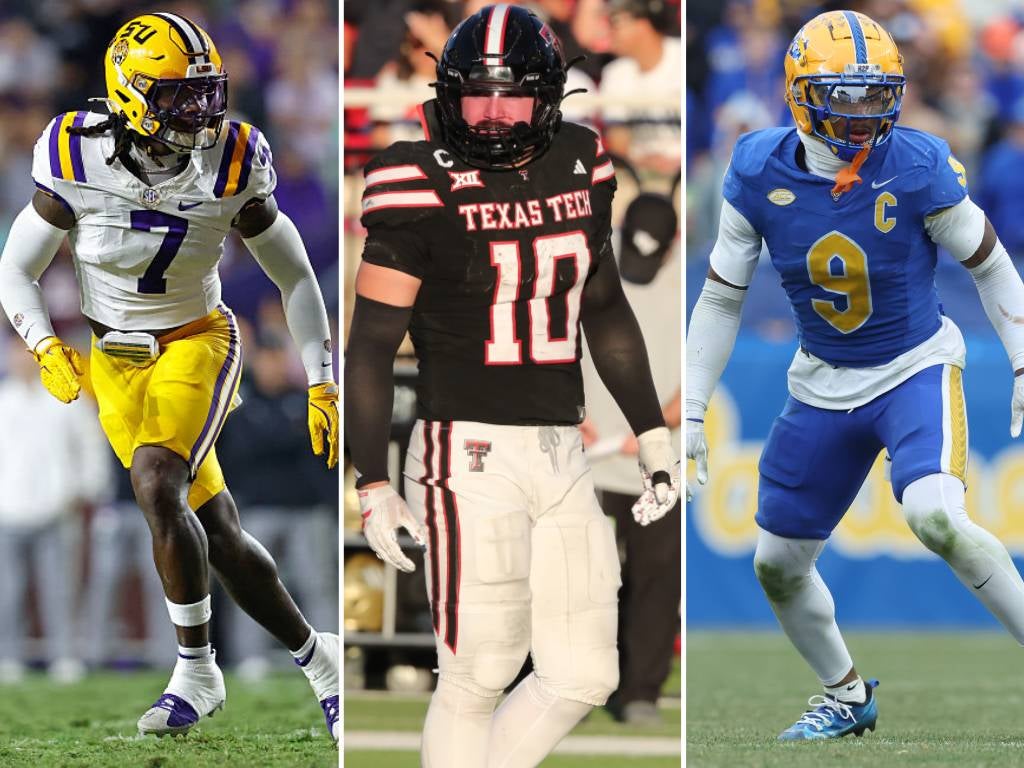
With two full weeks to go until the 2026 NFL Draft, our positional preview series moves on to linebackers. It’s fair to expect the New England Patriots to take a linebacker at some point in this draft – the only question is where?
“We’d like to to maybe address that in the draft,” Patriots executive vice president of player personnel Eliot Wolf said at the Combine. “It looks like a good year at linebacker as well. But we are happy with the group that we have. It’s an area where we have a lot of kind of different pieces and the defensive staff was able to try to maximize that for us.”
Can the Patriots add another piece to help the coaching staff, short-term or long-term? As of right now the team has Robert Spillane at the top of the depth chart, with Christian Elliss projected in a rotational, third-down role. Jack Gibbens had a similar role, but left in free agency. Marte Mapu, K.J. Britt, and Chad Muma are likely core special teams players who can also play the position.
Will the Patriots just look to add more depth? Or get aggressive and add a player who can be a rotational player now, but with an eye on long-term development into the team’s top linebacker. It’s worth noting that Spillane is entering his age 31 season, and has no guaranteed money on his contract after the 2026 season (the deal formally runs through 2027).
If the Patriots want to add a linebacker – and it sounds like they do – who are their options? Let’s start at the top of the class and work our way through.
Top of the board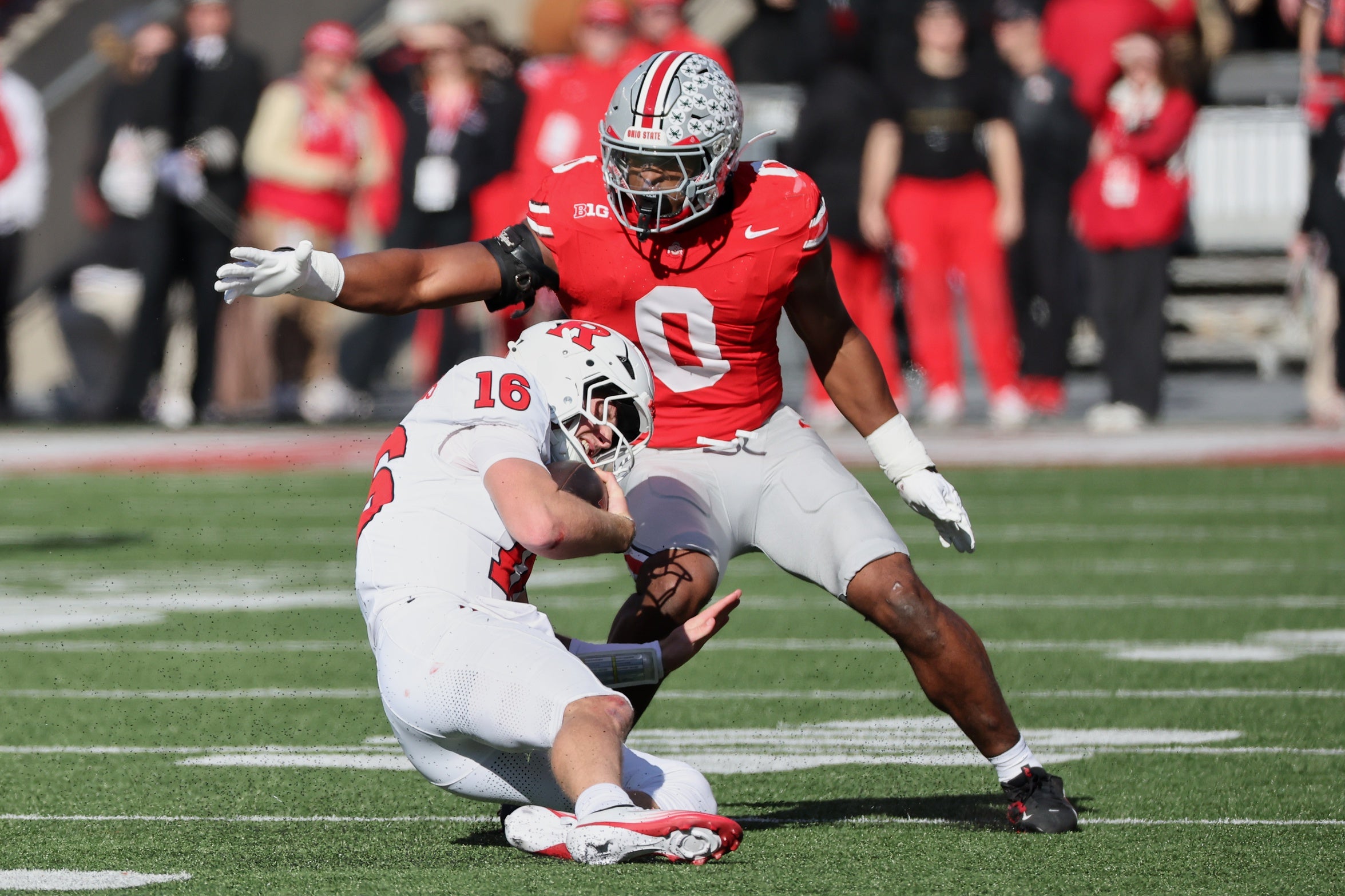 Joseph Maiorana-Imagn Images
The top of the linebacker board is two Ohio State Buckeyes expected to go in the top 10. Sonny Styles is a true off-ball linebacker who had a breakout year in 2025 and then was among the elite testers at the NFL Combine. Then there’s Arvell Reese, who can play both off-ball linebacker and edge rusher. He could go as high as the second overall pick.
Pick 31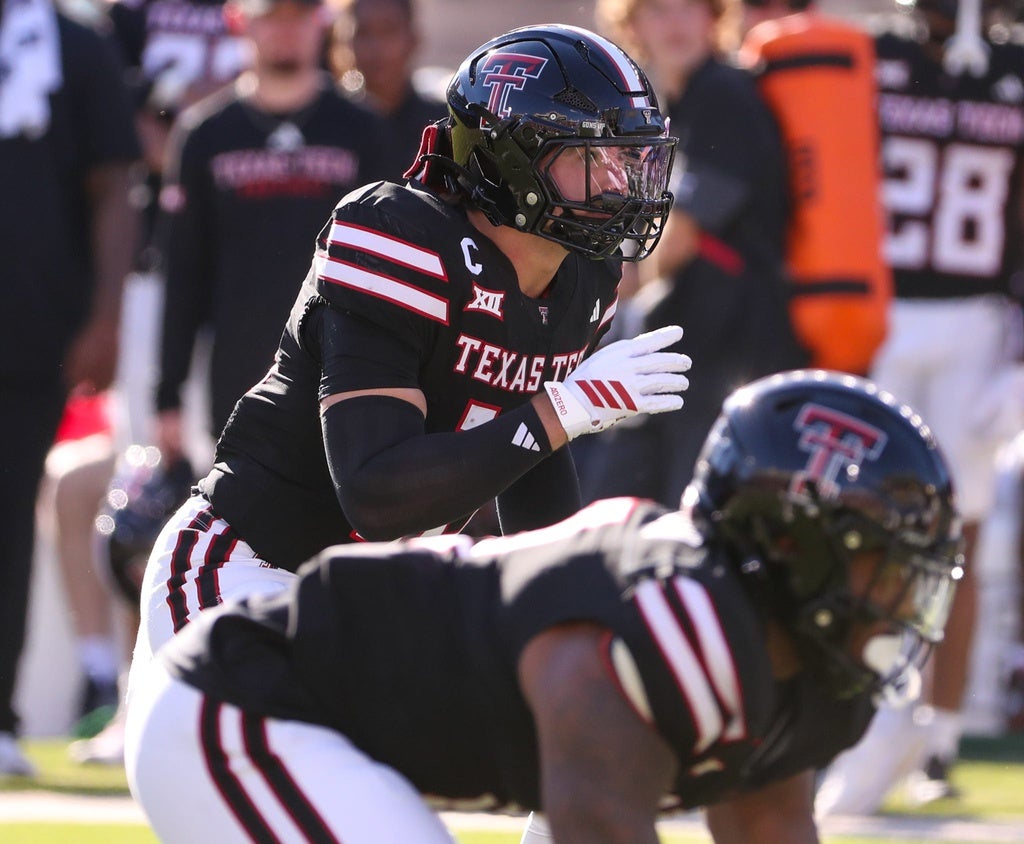 Nathan Giese/Avalanche-Journal / USA TODAY NETWORK via Imagn Images
Would the Patriots use their top pick on a linebacker – whether it be at Pick 31 or after a slight trade back? It may not be the most likely outcome, but if they want to try to find a leader in the middle of their defense for the long-term, they’ll have options.
That could be Jacob Rodriguez, who finished highest in the Heisman voting among defensive players and fifth overall. Rodriguez is a converted quarterback who moved to linebacker as a sophomore in 2022 then really took off 2024. His strength, physical playstyle, instincts, and football IQ are all clear, and then at the Combine he tested much better than expected athletically to really put himself in the top-40 conversation.
At 6-foot-1, 231 pounds Rodriguez can play on all three downs and is regularly around the football. This past season he made 128 tackles with 11 for a loss and one sacks, plus six pass breakups, four interceptions, and seven forced fumbles. He’ll have to continue to balance his aggressive playstyle at the next level and is a bit of an older prospect heading into his age-24 season, but he can be a playmeker in any situation.
C.J. Allen from Georgia is also expected to be a late-first, early-second round pick. He’s not as much of a playmaker as Rodriguez but does an excellent job of doing the dirty work to help his teammates make plays. Against the run he’ll come downhill and take on blocks, and can play in both coverage and as a blitzer in passing situations at 6-foot-1, 230 pounds.
What really stands out about Allen though is his football IQ and communication skills. Allen played a key role in pre-snap communication and alignment with the entire defense while at Georgia, something that should help him get on the field right away at the next level.
Round 2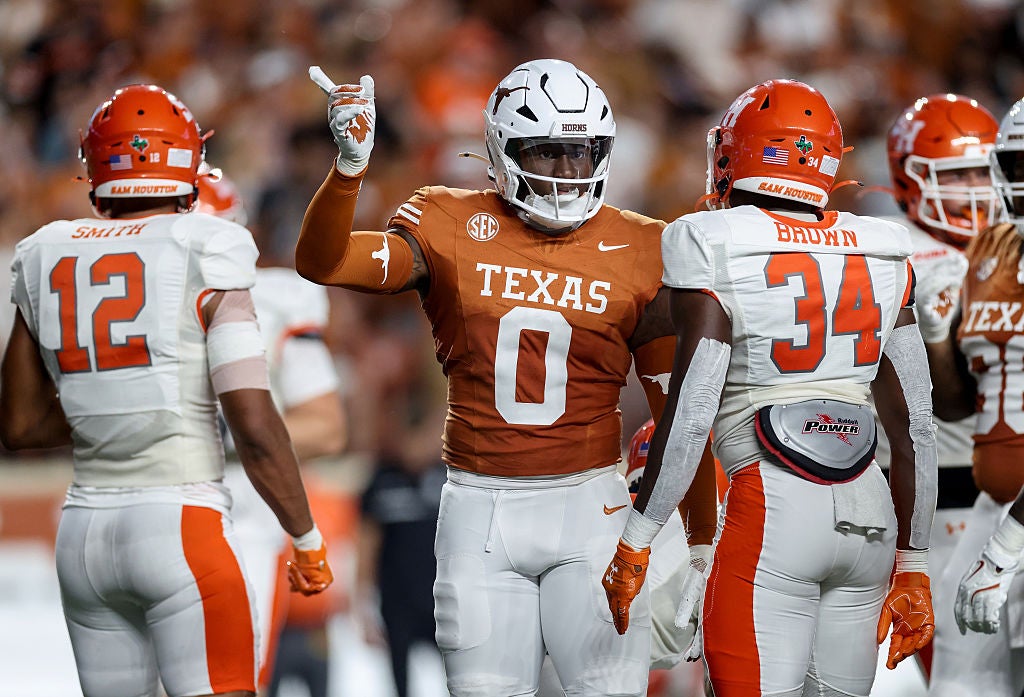 Tim Warner/Getty Images
In recent years linebacker has kind of gone the way of running back, with teams devaluing the position. Because of that, players with higher-end starter upside can still be found on Day 2, especially in a strong class like this one.
Anthony Hill Jr. from Texas might not be an option at Pick 63 but could be a trade-up candidate. He’s a high-motor plus athlete (4.51 40, 37-inch vertical at 6-foot-2, 238 pounds) who can play in multiple situations. Against the run he gets downhill quickly, and can be a block-eater as well as a penetrator. Similarly against the pass he can be used as a blitzer and coverage player.
The biggest thing for Hill will be playing with more control. His aggressive style can lead to missed assignments at times. Missed tackles were also an issue earlier in his career, but that’s an area where he’s shown significant improvement. After missing 18 tackles for a 15.3% missed tackle rate in 2024, those numbers dropped to three missed tackles and a 4.5% rate in 2025.
Jake Golday from Cincinnati is more of a traditional, downhill linebacker, but excels in that role. At 6-foot-4, 239 pounds he’s at his best against the run playing with both discipline and violence. His football IQ helps him told up in zone coverage in the passing game.
Josiah Trotter from Missouri fits a similar profile at 6-foot-2, 237. He crashes down on the line of scrimmage, and can play through contact often delivering big hits. Against the pass he’s more of a blitzer than coverage player. Trotter is the son of longtime NFL linebacker Jeremiah Trotter.
Round 3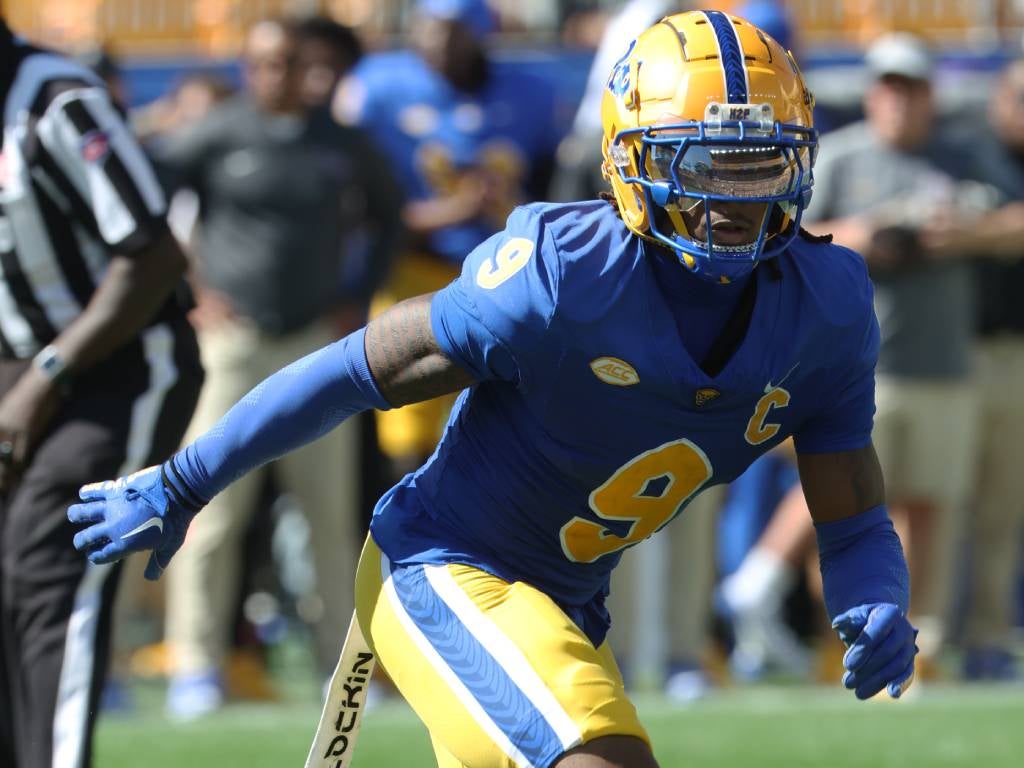 Charles LeClaire-Imagn Images
Finishing out the top 100 is a group of linebackers who are more situational players, but play those roles at a high level. These aren’t players that necessarily have the upside of a three-down off-ball linebacker, but are candidates to play next to one.
We’ll start with Kyle Louis from Pitt. In a draft full of older prospects Louis was an early breakout player, being named a second-team All-American as a 20-year-old in 2024. He was all over the field for Pitt’s defense, recording 101 tackles with 15.5 for a loss and seven sacks with four interceptions in 13 games. Last year in 11 games he had 81 tackles with 8.5 for a loss and three sacks, with two interceptions and three pass breakups.
At 6-foot, 220 pounds Louis’ size likely limits his role as a run defender in the NFL unless he’s used more as a safety. On passing downs though he can be a Swiss Army Knife covering tight ends and running backs, or rushing the quarterback. With this quickness, football IQ, and ball skills he could be able to play regularly as a passing down linebacker right away.
Deontae Lawson from Alabama fits a similar, but not exactly the same profile. He’s a little bit bigger at 6-foot-3, 226 pounds giving him some more three-down upside, but he’s also not as technically sound as a run player. In the pass game though he can both cover and blitz, and is especially strong in man coverage. Lawson was a two-time team captain for the Crimson Tide, but has missed time in multiple seasons due to injuries.
The final linebacker projected to go in the top 100 is Jaishawn Barham from Michigan. We discussed Barham in our edge rusher preview too – he mostly played off-ball at Michigan but some experts suggest he might be a better edge rusher at the next level.
Early Day 3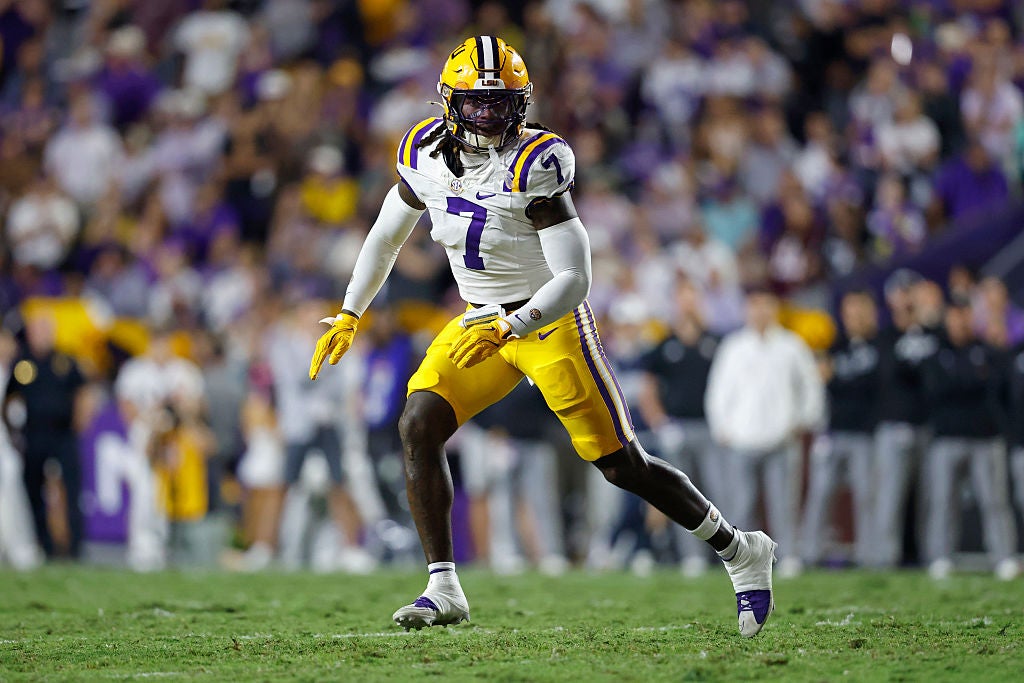 Tyler Kaufman/Getty Images
We’ll start off Day 3 with Harold Perkins from LSU, who could end up being one of the best value picks in this draft. Perkins was a highly hyped recruit coming out of high school. 247 had him as a five-star recruit, ranked as the top linebacker and fifth overall player in his class.
He instantly popped with a breakout true freshman season that saw him named first-team All-SEC. In his second year he was used more as a pass rusher than off-ball linebacker but continued to produce with Tigers using him in all situations as a run stopper, coverage player, and blitzer.
Heading into the 2024 season Perkins projected as a first-round pick in the 2025 draft, but he tore his ACL after just four games. He ended up returning to LSU for his fourth season, and had 56 tackles with eight for a loss, four sacks, and three interceptions last year in 12 games.
In the first season back from his torn ACL Perkins’ quick first step return, but he didn’t look as quick as he did before the injury. That impacted his pursuit and tackle range. At 6-foot-1, 223 pounds his quickness is needed to max out his skillset. The question for teams will be how that continues to come back post-injury. It might help that he’s a younger prospect – he doesn’t turn 22 until September.
Going back to the situational players, two early-down run stoppers in this range of the draft are Aiden Fisher of Indiana and Keyshaun Elliott of Arizona. Kaleb Elarms-Orr is more of a coverage player who was one of the best testers at the Combine at linebacker across the board at 6-foot-2, 234 pounds.
The final linebacker in this range is Bryce Boettcher from Oregon. Boettcher was a two-sport athlete for the Ducks, who began his college career as a baseball player in 2021 before walking onto the football team in 2022. He continued to play both sports, and was drafted in the 13th round of the 2024 MLB Draft, until focusing solely on football last year. He’s a physical, downhill player who has room to improve now that he has more time to develop as just a football player.
Mid-Day 3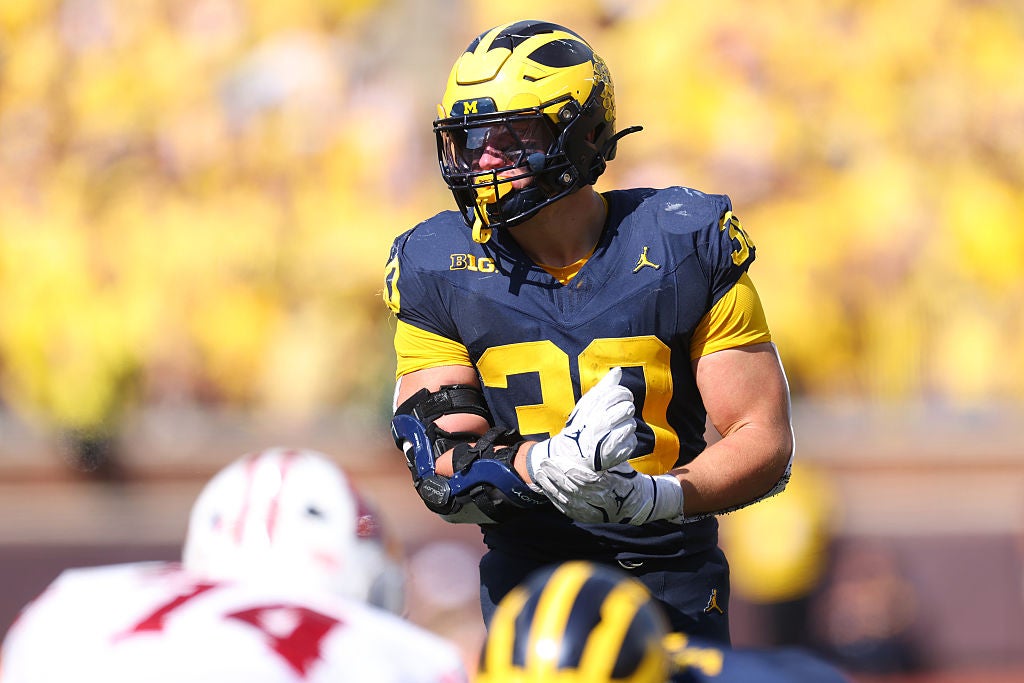 Gregory Shamus/Getty Images
At this point in the draft it’s more about players who show flashes, but have questions. For instance, take Jimmy Rolder from Michigan. At 6-foot-2, 238 pounds Rolder plays with good instincts and physicality in the run game. He’s technically solid, and while he isn’t much of a playmaker on his own he was very reliable at making the plays that were there last year. However, that was his only year of significant experience, making him more of a projection.
Taurean York from Texas A&M is another strong run stopper, who also excels in the pre-snap responsibilities that come with the position. At 5-foot-11, 226 pounds though there will be questions about his size, and he doesn’t have the same athletic profile as some smaller linebackers.
Justin Jefferson from Alabama is also expected to go in this range. He also has limited playing experience, and is on the smaller side at 6-foot, 223 pounds.
Late Day 3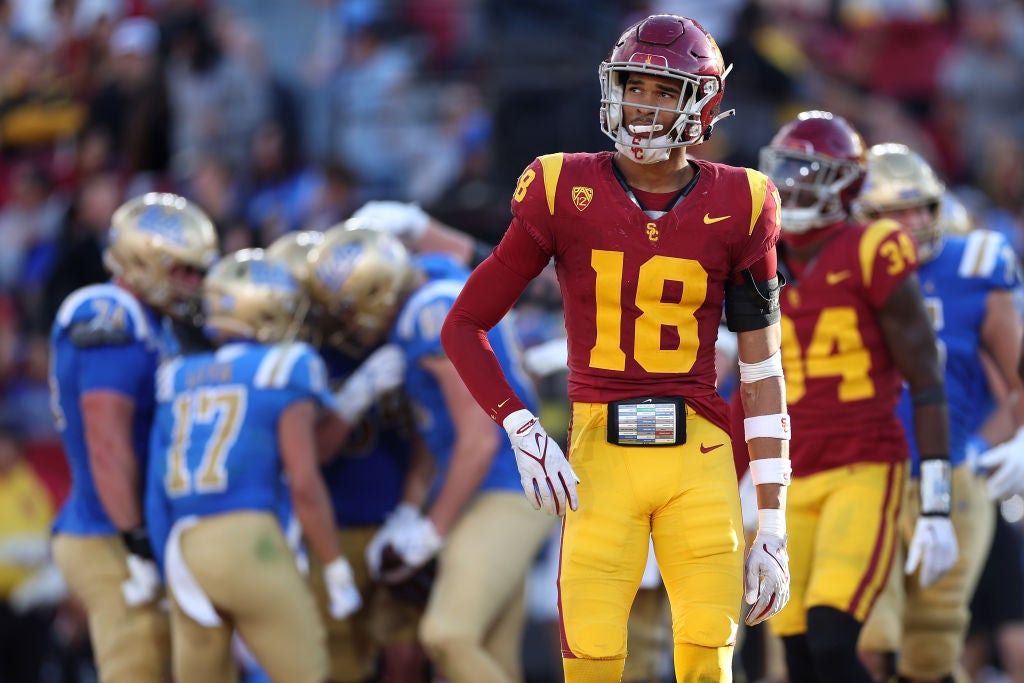 Sean M. Haffey/Getty Images
Starting with Jack Kelly, who has four years of starting experience split between Weber State and then BYU. At 6-foot-2, 240 pounds Kelly plays with good pop when he has a chance to make play but will get caught out of position at times against the run. On passing downs he’s a better blitzer than coverage player. His athleticism and tackling skills make him a logical special teamer right away, with rotational linebacker upside.
Another more experienced player in this round is Red Murdock, the latest hyper-productive linebacker out of Buffalo. He’s a pure running down player who had 142 tackles last year. When he gets to the football he does make plays, with an FBS-record 17 forced fumbles in his four-year career.
If the Patriots are looking for passing down linebackers in this range, Eric Gentry of USC and Lander Barton of Utah would be fits. Gentry in particular is an interesting player. He’s built more like a basketball forward at 6-foot-7, 221 pounds. Gentry is going to need to bulk up more in the NFL but his length and athleticism make him a unique matchup player both in coverage and as a blitzer.
As for Barton, he’s a two-way player who also has some tight end experience. He was better in 2024 than 2025, but should at least have instant special teams impact potential.