
Updated April 15, 2026, 11:28 p.m. CT
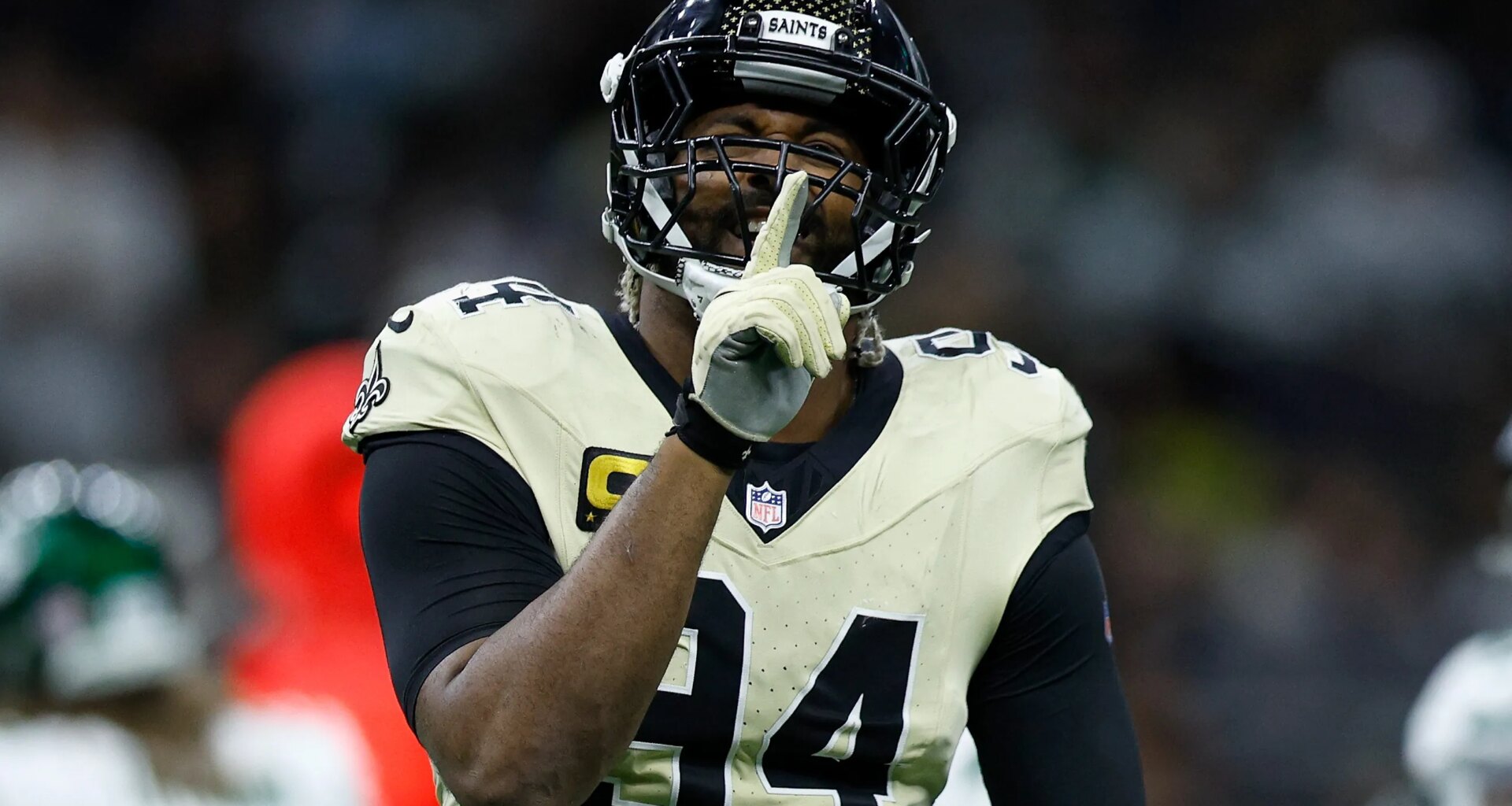
The New Orleans Saints, for quite some time now, have had the longest-tenured general manager in the NFL. Mickey Loomis, who has held his post since May 13, 2002, has had his ups and downs, but remains one of the most notable general managers in the league. In this span of time, he has seen 23 NFL drafts come and go under his oversight. Always eager to trade up and act aggressively on draft day, Loomis has made 25 picks in the first round alone during his run as general manager.
But which picks stand apart as the best? We’ve broken it down round-by-round to highlight the best returns New Orleans has found in the draft under Loomis, remaining relatively strong over the last decade-plus:
Round 1: Cameron Jordan, California (2011)
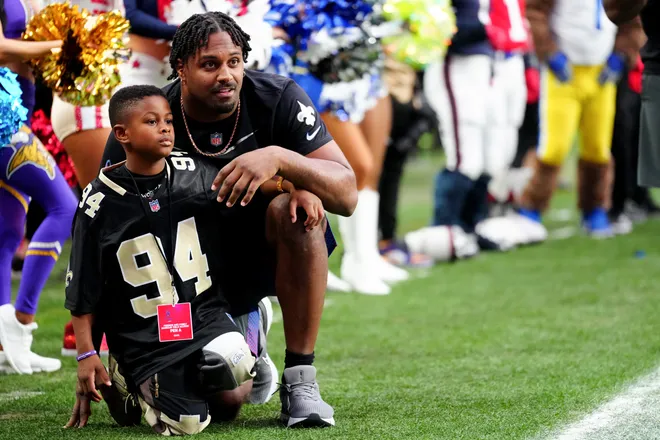
It’s really, really hard to outdo Jordan’s accomplishments after the Saints picked him at No. 24 back in 2011. He went on to win the franchise sacks record from Pro Football Hall of Fame inductee Rickey Jackson while earning recognition at eight Pro Bowls and three All-Pro team appearances, helping to build his own Hall of Fame career. First-rounders enter the league with lofty expectations to be a franchise-altering talent; Jordan has been that and so much more. Now, all eyes turn to whether or not he will end his career a Saint, or if he will pursue that ever-elusive Super Bowl.
Round 1 Honorable Mention: Malcolm Jenkins, Ohio State (2009)
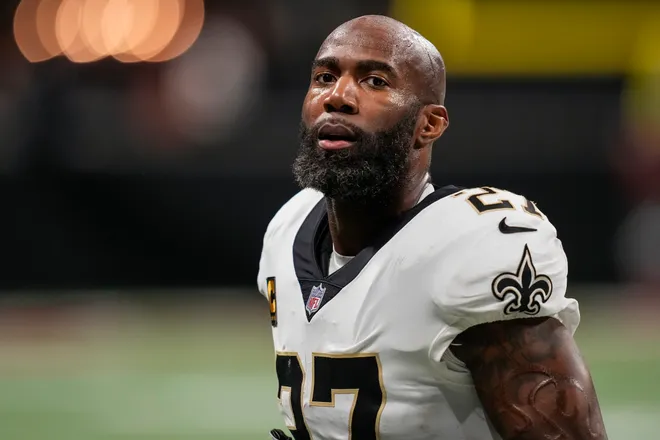
There aren’t many players who can say they’ve won a Super Bowl title with two different teams, but Jenkins is in that number as a widely respected leader in NFL circles for many seasons, retiring back in 2021. He’s done really well for himself even after being picked at No. 14 overall way back in 2009.
Expert NFL picks: Exclusive betting insights only at USA TODAY.Round 2: Michael Thomas, Ohio State (2016)
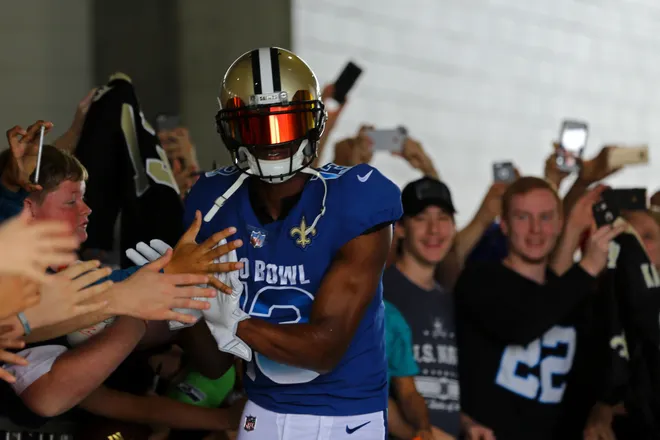
Thomas outperformed his draft slot (No. 47 in 2016) with quickness, posting two of the finest seasons anyone has ever played in black and gold back-to-back in 2018 and 2019, when he won consecutive first-team All-Pro recognition as well as Offensive Player of the Year — the first time a wide receiver won that award since Jerry Rice did it in 1993. If not for an unfortunate series of lower-leg injuries, we’d be talking about Thomas as one of the best receivers of all time, but even now, he remains one of the best in Saints history just off his shortened career alone.
Round 2 Honorable Mention: Roman Harper, Alabama (2006)
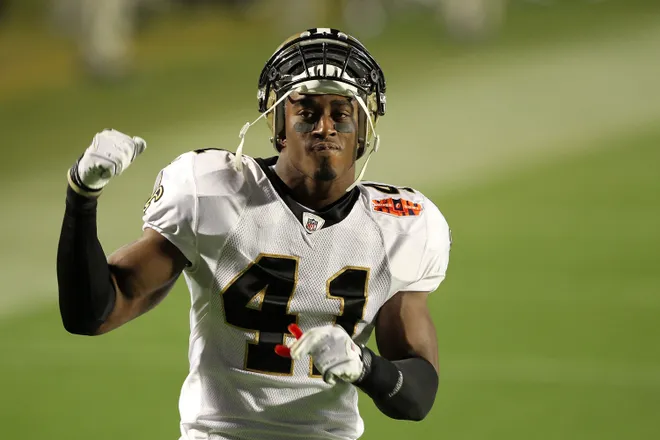
We also considered Jon Stinchcomb and Tracy Porter here, but Harper’s longevity and multiple Pro Bowl appearances won out. He was a tone-setter in the Saints’ secondary who helped establish an attacking role that the team has valued long after he hung up his cleats, with players like Kenny Vaccaro, Vonn Bell, C.J. Gardner-Johnson, Tyrann Mathieu, and Justin Reid each doing their best to follow him up.
Round 3: Alvin Kamara, Tennessee (2017)
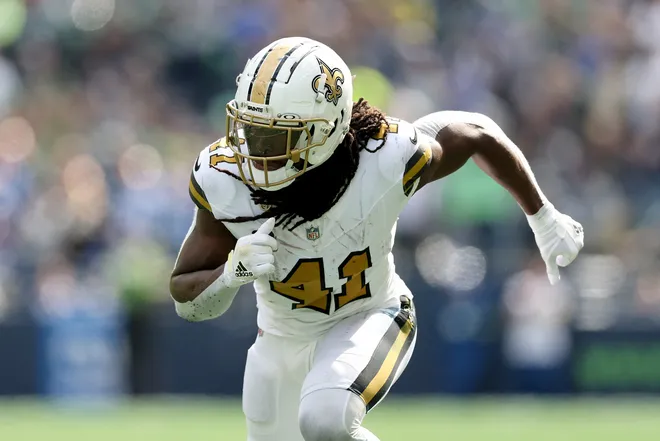
Kamara arrived with the Saints like a lightning bolt, rapidly establishing himself as one of the best weapons in the NFL’s modern era with a perfect blend of playmaking ability as a runner and receiver. He was an ideal pass-catcher to pair with Drew Brees, who often talked up Kamara (as did their former head coach Sean Payton) as the smartest teammate he ever had. Kamara has already won all sorts of team and NFL records with the Saints, and has built a very strong legacy if this ends up being his last season in the Black and Gold.
Round 3 Honorable Mention: Jimmy Graham, Miami (2010)
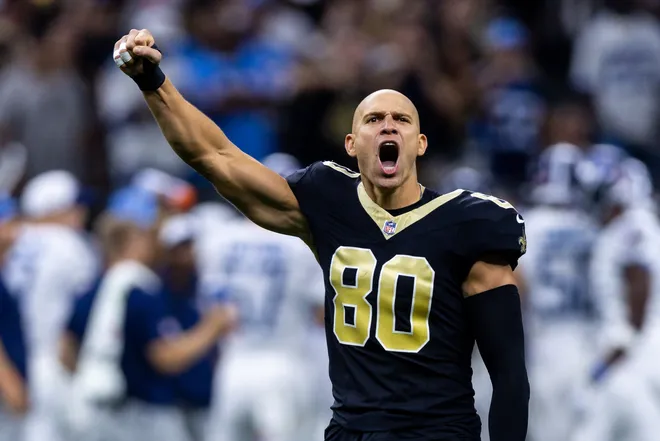
Terron Armstead also deserves a mention here as someone who was, at times, the best left tackle in football despite coming out of an often-overlooked HBCU program at Arkansas-Pine Bluff. But Graham deserves the nod even if his initial Saints stint didn’t end like anyone hoped or expected. He was unguardable in his prime as a pass-catcher, bigger, faster, and stronger than anyone who tried to defend him, and the historically great 2011 Saints offense owes much of its success to his efforts. His return to the Bayou was also a great send-off, as he continued to be a Red Zone threat even years after his prime.
Round 4: Jahri Evans, Bloomsburg (2006)
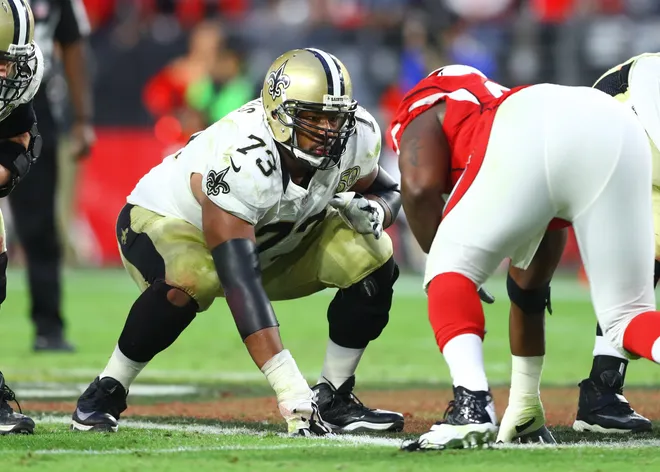
Evans put a Hall of Fame-worthy career together in New Orleans (and he’ll be in consideration again after multiple finalist appearances in 2024 and 2025) with 179 games played for the Saints — every single one of them starts, including the playoffs. He was vicious in clearing the way on run plays and rock-solid in pass protection, and earned six consecutive Pro Bowl appearances plus four All-Pro selections in his storied career. It was great to have him back as a coach as well for a short time before he moved on to the Pittsburgh Steelers this spring.
Round 4 Honorable Mention: Jermon Bushrod, Towson (2007)
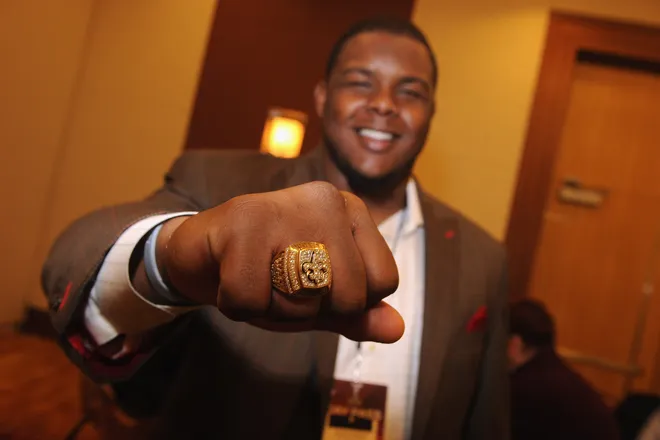
Bushrod did everything the Saints asked of him, starting at left tackle, backing up both tackle spots, taking the field as a designated eligible receiver, and even occasionally sliding over to guard. He earned a couple of Pro Bowl nods, too, and started multiple seasons for both the Chicago Bears and Miami Dolphins before returning to close out his career in New Orleans.
Round 5: Carl Nicks, Nebraska (2008)
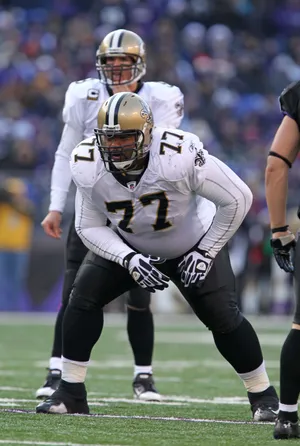
Nicks is still seen as one of the free agents the Saints would most like to have held onto. He rose above his draft status to win a starting job, then a Super Bowl championship, and a series of Pro Bowl and All-Pro honors for his standout play at left guard. At his peak, he was the best guard in football. It’s such a shame that his NFL career ended with a disastrous staph infection after signing with the Tampa Bay Buccaneers in 2012. If he’d stayed healthy or remained in New Orleans, he’d very likely be getting the same Hall of Fame consideration his old teammate Jahri Evans is seeing.
Round 5 Honorable Mention: Thomas Morstead, SMU (2009)
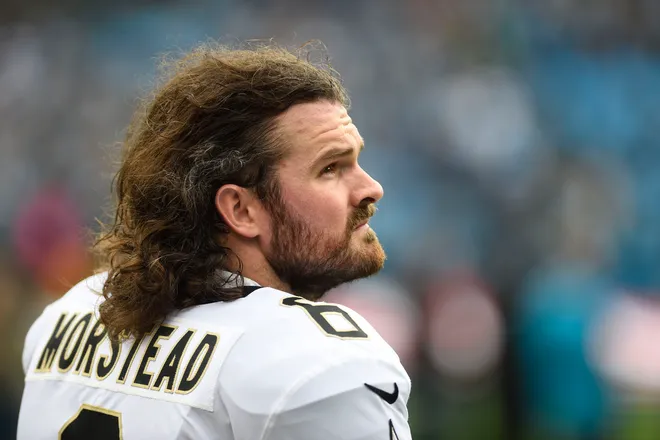
With apologies to Rob Ninkovich, Kenny Stills, and Tyeler Davison, Morstead stands apart for the length of his stay with the Saints and his consistent level of performance with a fleur-de-lis on his helmet. Even if he’s a punter, specialists are valuable too, and many teams would envy a reliable punter like Morstead — there’s good reasons for him remaining in the league all these years later for different teams, leaving the Saints scrambling for another punter since his departure.
Round 6: TE John Gilmore, Penn State (2002)
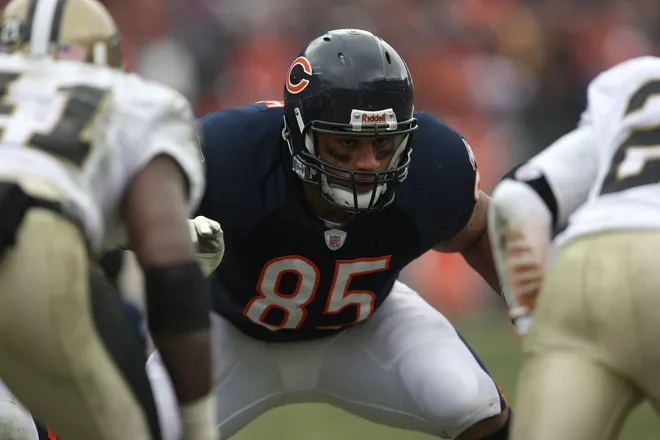
This was tricky: the Saints have only picked a single player in the sixth round who has appeared in four or more games in multiple seasons under Loomis (being reserve offensive lineman Landon Young). Guys like Al-Quadin Muhammad, Boston Scott, Jason Jefferson, and Andrew Tiller have had solid careers for themselves, but all on other teams. So of that group, Gilmore stands above the rest thanks to his longevity, with 149 games to his name (including the playoffs). But he played nearly as many games against the Saints (10) as he did with them (14), and he didn’t take the field with the team that drafted him until 2011, his final year in the league.
Round 6 Honorable Mention: Al-Quadin Muhammad, Miami (2017)
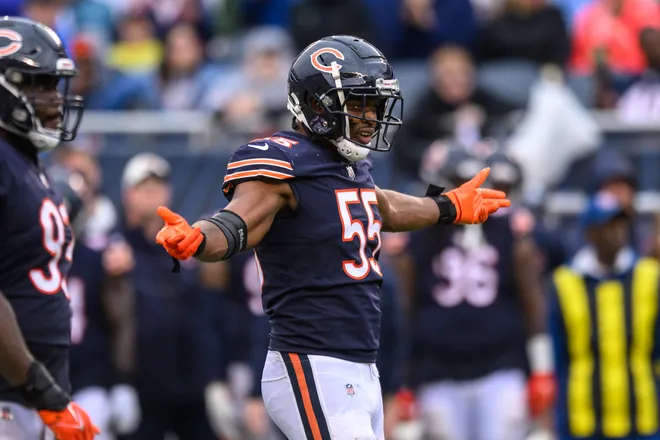
It has to be him, right? Muhammad has started more games (34) than any other Saints sixth-rounder besides Gilmore, even if, like all the others, he hasn’t spent the bulk of his career in New Orleans. He was the “other” player drafted in their historic 2017 class behind Pro Bowlers and All-Pros and every-down starters, and he’s done well for himself on a couple of teams around the league, signing with the Tampa Bay Buccaneers this spring.
Round 7: Marques Colston, Hofstra (2006)
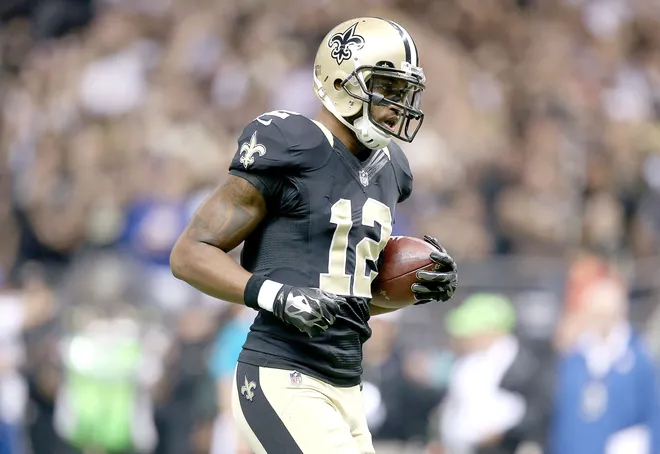
Name a receiving record, and Colston probably owned it (or he still does). He was very nearly Mr. Irrelevant in the Saints’ landmark 2006 draft class, and the unexpected success he found has caused fans to put sky-high expectations on every single seventh-rounder the team has drafted since. But that’s just how impressive Colston was. His ability to tank big hits, play through injury, and always be in the right spot at the right time for his quarterback to find him on a big play endeared him to the fanbase right away. It’s a terrible injustice that he was never once voted into the Pro Bowl.
Round 7 Honorable Mention: Zach Strief, Northwestern (2006)
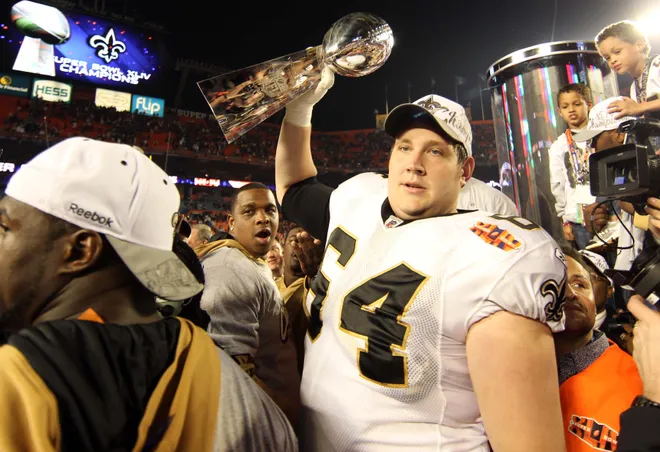
If it feels like “Number 64 is reporting eligible,” rang in from the Superdome PA system every week for about 11 years, it’s because it did. If not for the greatness of the guy drafted 42 spots behind him, Strief would be regarded as the best seventh-round pick on the Saints’ resume. He was an able blocker at right tackle and a great locker room presence, but the opportunity to close out his career as a starter was earned by a willingness to do whatever the team asked of him early on — including checking into games as the sixth man to add a little flexibility to the formation.