
In the quiet corridors of the Arizona Cardinals’ headquarters in Tempe, a high-stakes game of poker is underway, and the subject is the most scrutinized position in professional sports: the starting quarterback.
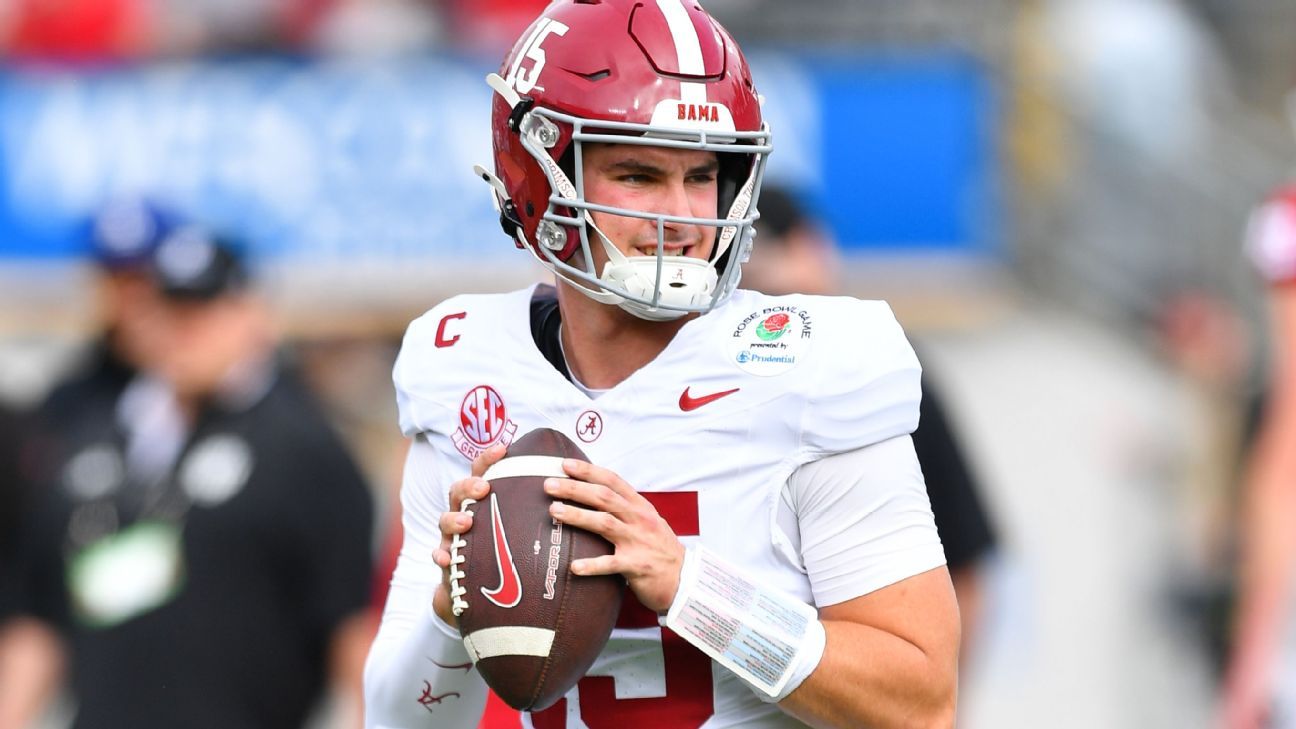
With the NFL draft looming only days away, the franchise has deliberately obfuscated its intentions, refusing to commit to either veteran signal-caller Jacoby Brissett or recent arrival Gardner Minshew II. This calculated silence has ignited a wildfire of speculation, with rumors centering on whether the team plans to pivot toward a rookie prospect, with former Alabama standout Ty Simpson frequently emerging as the primary target in draft analyses.
The Strategic Fog of Personnel Management
General Manager Monti Ossenfort and Head Coach Mike LaFleur have maintained a unified, if frustratingly vague, front. In a press availability that left analysts dissecting every syllable, Ossenfort explicitly declined to name a starter, citing the fluidity of the offseason roster construction. For a team attempting to navigate the complexities of the modern NFL landscape, the refusal to name a starter serves a dual purpose: it maintains leverage in trade negotiations and fosters a competitive environment that management hopes will elevate the performance of the incumbent veterans.
Coach LaFleur, tasked with installing a new offensive system, has framed the ambiguity as a necessity for establishing a foundational culture rather than a reflection of doubt. Yet, for an organization with the eyes of the football world upon it, the uncertainty highlights the precarious nature of team building. The current quarterback room, consisting of Brissett and Minshew, represents a significant financial investment, likely exceeding tens of millions of dollars in total contract value—roughly the equivalent of several billion Kenyan Shillings when adjusted for total team salary cap allocations. The decision to potentially draft a rookie like Simpson suggests the front office is looking beyond the immediate two-year horizon.
The Case of the Alabama Prospect
Ty Simpson’s potential arrival has become the focal point of the narrative due to his collegiate profile. Having navigated the intense pressure cooker of the University of Alabama’s program, Simpson is viewed by many scouts as a high-ceiling prospect capable of adapting to complex professional schemes. However, transitioning from the college level to the NFL is notoriously volatile.
Draft Capital Allocation: The Cardinals must weigh the cost of a high-round draft pick against the immediate utility of veteran talent.Developmental Timeline: A rookie quarterback typically requires an eighteen-month window to fully assimilate into an NFL-level offensive system.Market Value: The disparity between rookie contracts and veteran salaries remains a critical metric for front offices managing a strict salary cap.
The hesitation to commit to Brissett or Minshew hints that Ossenfort is keeping his options open until the final second of the draft clock. If a player of Simpson’s caliber falls into a favorable position, the organization may feel compelled to pivot, regardless of the veteran presence currently in the facility.
Global Parallels in Talent Recruitment
While the NFL is uniquely American in its structure, the challenge of identifying and developing elite athletic talent is a universal struggle in professional sports management. Whether it is the NFL scouting departments scouring the United States for the next franchise quarterback or top-tier football clubs in the FKF Premier League searching for emerging talent in Nairobi or the Rift Valley, the fundamental dilemma remains: do you trust the proven veteran or bet on the unrefined, high-upside youth?
Experts in global sports economics note that organizations often fall into the trap of overvaluing their current roster during the offseason. The Cardinals’ situation serves as a case study in risk mitigation. By refusing to finalize their depth chart, they are essentially acknowledging that their current solutions may be insufficient. This strategy is common in high-pressure leagues worldwide, where the cost of failure—measured in lost ticket revenue, television contracts, and sponsorship deals—can reach hundreds of millions of dollars.
The High Stakes of the Coming Week
As the countdown to the draft reaches its final hours, the Tempe facility remains a pressure cooker. The staff is preparing for every eventuality, from trading up to secure a specific target to standing pat and building around the existing roster. The players themselves are left in a state of suspended animation, training for a season where their roles remain undefined. The ambiguity, while frustrating for observers and perhaps the players involved, is a deliberate exercise in organizational flexibility.
The question that remains, as the draft draws closer, is not merely who will start, but what kind of identity the Arizona Cardinals intend to forge for the coming season. Whether they place their faith in the experience of Brissett and Minshew or decide that the future demands the inclusion of a dynamic rookie like Ty Simpson, the decision will set the trajectory for the franchise for years to come. In a league where the margins between success and failure are measured in inches and milliseconds, the Cardinals are playing a game of inches with their own future.