

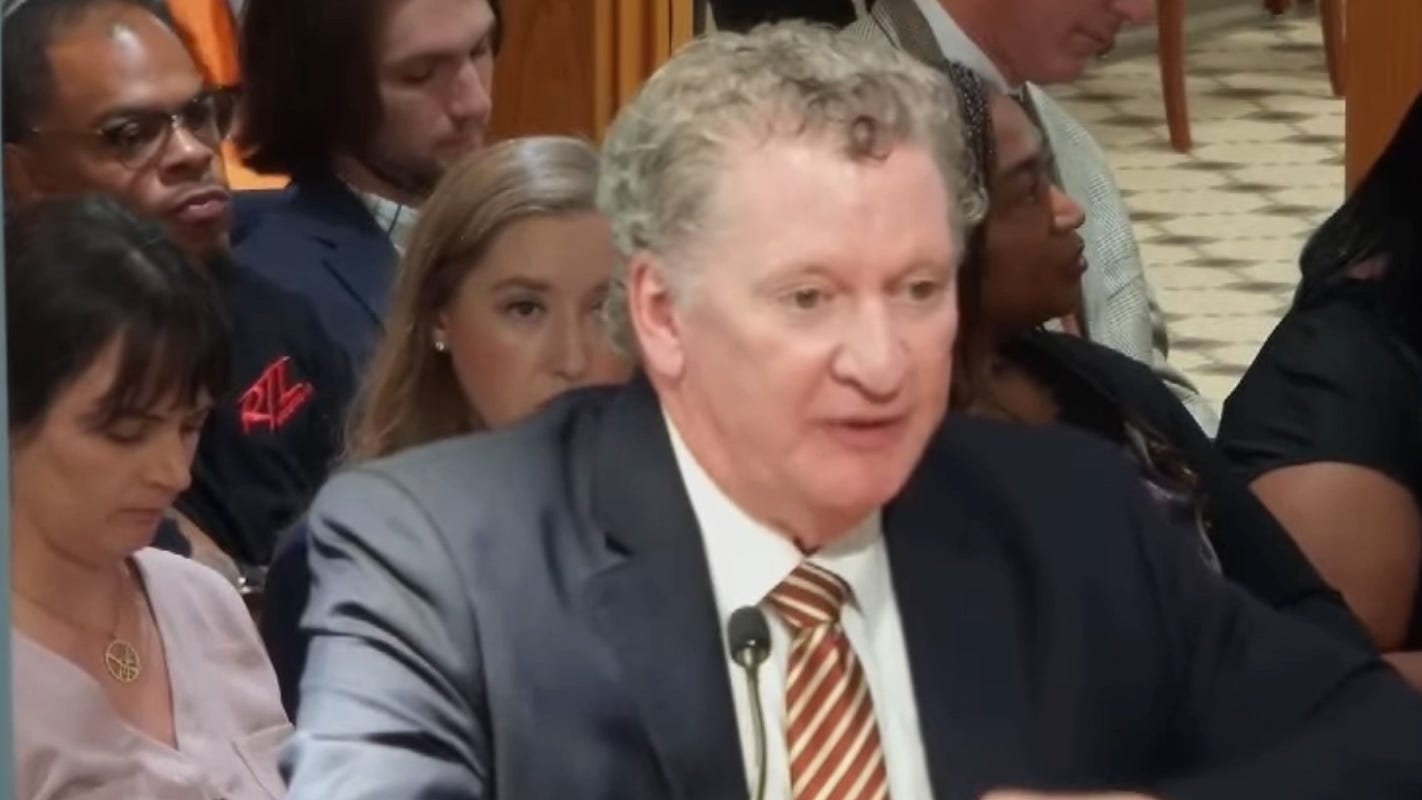

Longtime lawyer on Bengals project addresses ‘unexpected’ termination
Hamilton County terminated its agreement with attorney Tom Gabelman and his firm, Frost Brown Todd, amid negotiations over Paycor Stadium renovations.
A good deal for the taxpayers.
Seems like a simple goal − one that we’ve heard ad nauseam during Hamilton County’s push to forge a new stadium lease with the Cincinnati Bengals.
Hamilton County Board of Commissioners President Denise Driehaus invoked the phrase when defending the county’s decision to hire a nationally known sports investments firm to help with the negotiations.
Her colleague on the board, Alicia Reece, said it when expressing her frustration in April over a memo of understanding between the team and the county to secure funding from the NFL for stadium improvements. The county would be writing another check, and Reece wasn’t happy about it.
And most recently, Hamilton County Prosecutor Connie Pillich played the good-deal-for-the-taxpayer card when the county dumped its longtime outside attorney, Frost Brown Todd’s Tom Gabelman, and enlisted a new law firm. (Gabelman has since resigned from his firm.)
The county remains “fully committed to reaching an agreement that benefits the team and taxpayers,” Pillich said.
Predictably, the Bengals weren’t too happy with this sudden pivot by the county, rekindling fears that a breakdown in negotiations could lead to the team being sold and possibly moved to another city. And the clock is ticking. The parties have until June 30 to enact a two-year extension of the lease. If not, it expires in June of 2026.
As you might imagine, I’ve read more than my fair share of news reports on the stadium lease saga, not only the ones I’ve edited but also coverage from other sources. I’ve also had the opportunity to speak directly with Bengals ownership and county leaders. It’s a complex situation, to say the least. But if I were to attempt to boil it down to one, crystallized point of conflict, it would be this. The Bengals and the county have yet to reconcile a deep, philosophical disagreement on what constitutes a “good deal” for the taxpayers.
The county’s position could not be more clear. The original lease agreement has been called one of the most lopsided NFL stadium deals because of the burden it places on taxpayers. In the 25 years since Paul Brown Stadium − now Paycor Stadium − opened, revenues for the NFL have exploded. The Bengals, worth $500 million in 2002, are now valued at more than $4 billion, according to Forbes. Stated simply, the economics of stadium deals have changed. The county’s starting point is that it must get the Bengals to pay a bigger share moving forward, otherwise it will have failed the taxpayers.
Where are the Bengals starting? At the risk of oversimplifying, here’s how I would sum up their position, one they’ve been careful not to state directly but certainly is implied: The fact the Bengals are still here (and not in Baltimore, which was a looming fear during stadium negations in 1997) is in and of itself a good deal for taxpayers. Being an NFL market brings prestige and economic impact. The Enquirer reported in 2023 that the playoff game the Bengals hosted against the Ravens alone injected an estimated $9 million into the local economy. Imagine the blow – to both our civic ego and the region’s ongoing development efforts – if Paycor Stadium were shuttered. Shouldn’t county officials be thanking the Bengals instead of hiring tough outside negotiators to tip the scales in their favor?
I don’t mean to be an alarmist. It’s not quite as simple as the Bengals picking up their toys and going home if they don’t get their way (look up Ohio’s “Art Modell Law” for more on that), and both sides have expressed a desire to get a deal done − not an extension, but a new lease that secures the team’s future in Cincinnati for another 10 or 20 years.
But until the two sides bridge the philosophical gap on what a good deal for taxpayers actually means, don’t expect the road to a new lease to be smooth. It’s hard to reach a win-win agreement when one side risks losing what even the most objective observer would call a sweetheart of a deal.
Enquirer Executive Editor Beryl Love writes a biweekly column that takes you behind the scenes at The Enquirer. Occasionally, he shares his thoughts on local issues, particularly as they pertain to a free press and open government. Email him at blove@enquirer.com. He can’t respond personally to every email, but he reads them all.