
Giiwewag. They are coming home.
Manoominikwewag, or harvesting wild rice, is a deep connection back to water and land. Wild rice represents the foundation of a sustainable economy. The Anishinaabe have harvested wild rice for a thousand years on the same lakes. That’s a land-based economy, not an economy based on profit margins of foreign corporations.
It’s worth fighting for.
There’s the smell of a lake full of wild rice, and there are the sounds. Water birds gathering, celebrating, and eating the wild rice. Swans, herons and small black and brown birds singing beautiful songs. The sound of wild rice falling into your canoe. It is the knowledge that this food can sustain families, feed people, provide income to pay for winter hardship, and all we have to do to obtain it is do our part to sustain the ecosystem.
“It’s time when the first acorns fall on the roof. That’s the time of wild rice. The time when the plums are ripe,” Chris Dewandler tells me. I spent an hour or so sitting in the Dewandler wild rice mill, an intergenerational family tradition on the Ponsford Prairie.
They have been parching for over 40 years, and have seen a lot of wild rice come in. The rice is not just from Anishinaabe, but as I watch, a fellow from Backus comes in to pick up some rice from the Crow Wing Chain. There is rice, and there are rice parchers: This is the only place in the world where wild rice thrives, and the only place in the world where this fine art of parching is practiced.
There is not a lot however. Michigan has 2,000 acres and Wisconsin 5,000 acres of wild rice. Northern Minnesota hosts 64,000 acres of wild rice, the stronghold. In 2024, the White Earth tribe, with the largest wild rice holdings of any tribe, harvested about 240,000 pounds of rice. Some small Native businesses and community members also sell wild rice throughout the year. This year the tribe will purchase maybe 400,000 pounds, and the ricers will be happy with the sales, and the community will have access to the plant which has sustained us for a thousand years.
In these turbulent times, there is one thing that the Anishinaabe have always counted on: our manoomin. This is our most sacred food, the first given to a child, the last served to those moving to the next world. This is the food of our prophecies. This is also a food that we can count on and be proud of in Minnesota, the stronghold of manoomin.
Anishinaabe fought hard to keep our wild rice because of its value, both spiritually and in terms of food security. Wild rice is specifically mentioned in the 1837 Treaty. Proposals for dam projects, mines, and pipelines — as well as the University of Minnesota’s genetic engineering trials of wild rice — have all met with resistance from people who make their living on the land, and continue a way of life. Twice the protein of white rice. It’s the food of the Creator.
We don’t take it for granted.
The state of Minnesota should not take wild rice for granted, either, and needs to continue wild rice protections. In 1973, Minnesota adopted a 10 mg/L wild rice sulfate standard, and
the Minnesota Pollution Control Agency (MPCA) has been
enforcing this with a few exceptions.
For a decade mining corporations have sought to change the laws in Minnesota to allow for a toxic discharge into our lakes and waters. Decades of scientific studies say the same thing: That sulfate levels over 10 parts per million (mg/L) impair wild rice. In 2024, the MPCA listed 55 wild rice waters impaired due to sulfate and that is too many. The key question now is whether sulfate will be reduced.
Today, self-serving individuals and big foreign corporations are lobbying to bend the rules so that they can grow, and make the wild rice, making the tribes and people of Minnesota pay for their profits. NewRange Copper Nickel (formerly Polymet) is a combination of Swiss and Canadian mining interests and is proposing an open-pit copper-nickel mine. Twin Metals Minnesota, a subsidiary of the Chilean company Antofagasta, wants to mine the Boundary Waters, a stronghold of the most pristine water in the world.
Talon Metals, owned by a bunch of foreign investors and partnered with Rio Tinto Zinc, a notorious British mining corporation, wants to open up a big mine near Sandy Lake and Minnewawa, two rice strongholds. And, in June of 2025, Japanese Nippon Steel acquired U.S. Steel for $14.9 billion.
All these corporations are talking about how there are so many benefits from this, including jobs, and working to pit communities against each other — jobs versus wild rice and water. It’s a bit like the “Avatar” quest for “unobtainium.” It’s endless greed and destruction for money.
Let’s restore an economy based on the wealth of this land, not the extraction from her. A hundred years ago, there were sturgeon and fish in abundance, wild rice in so many lakes and rivers, deer, and maple trees to sweeten our lives. This land and water are still here and so are we.
The comment period for the wild rice policy discussion at the state of Minnesota is open now. Remind policy makers and your neighbors that Minnesota is the only place in the world it grows, and it’s worth fighting for.

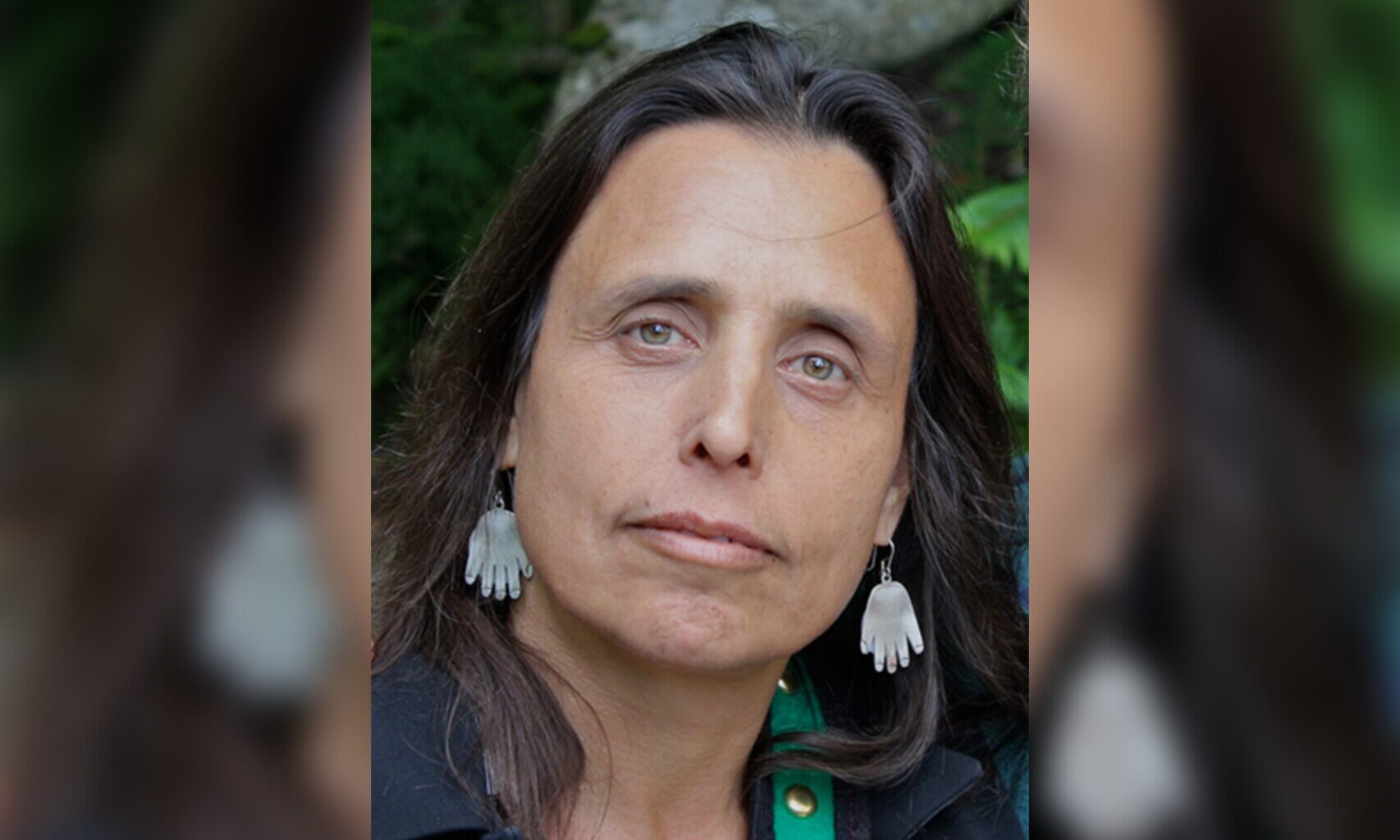
Winona LaDuke is an Ojibwe writer and economist on Minnesota’s White Earth Reservation. She also is co-curator of the Giiwedinong Museum in Park Rapids, Minnesota, and a regular contributor to Forum News Service.