
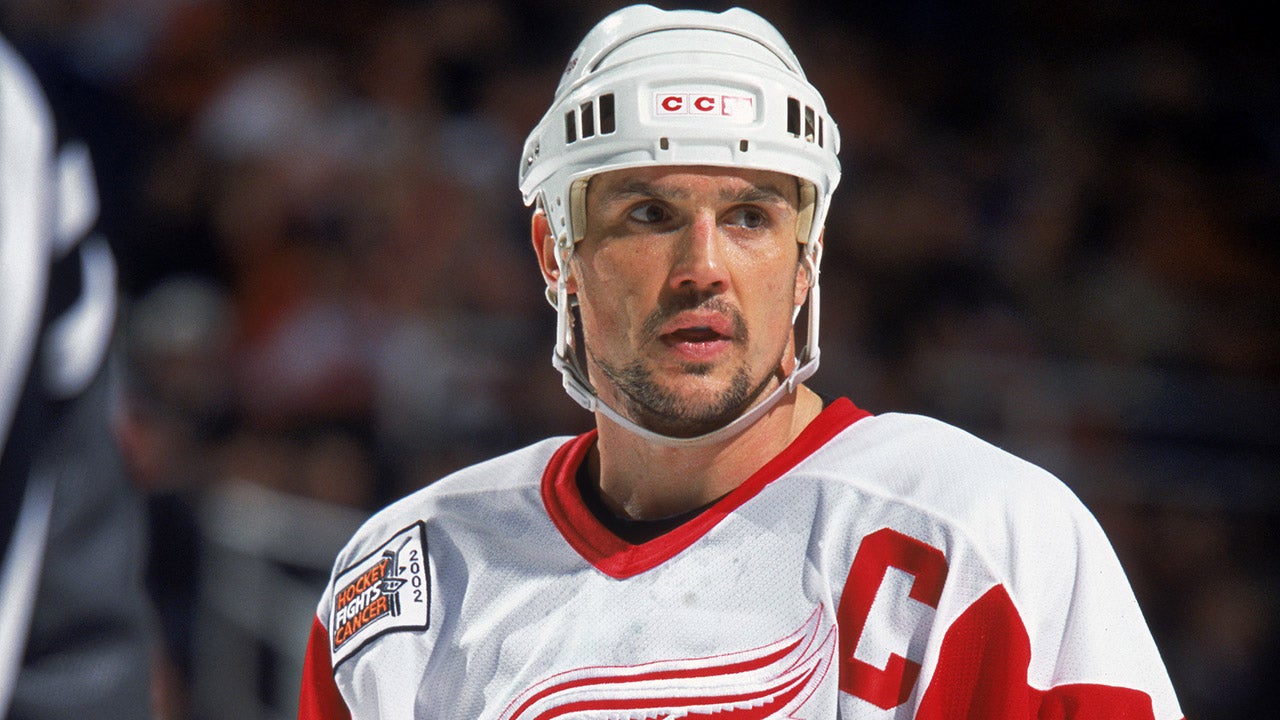
Steve Yzerman is a legend in Detroit. He is all about loyalty, leadership, and one of the main pieces to all those Stanley Cup wins. Basically, “Hockeytown” became a thing because of Yzerman’s greatness. However, all of this might not have happened because there was a what-if moment regarding Yzerman and the Detroit Red Wings.
Yzerman’s rich history of success and accomplishments in Detroit came close to never happening. The Red Wings organization reportedly came close to trading him multiple times, and the biggest reason for the near-deals was because there was a Michigan native and future NHL star who could be the hometown hero — Pat LaFontaine.
The 1983 Draft
This all started with a draft pick decision. At the 1983 NHL Entry Draft, the new owners of the Red Wings, Mike and Marian Ilitch, and general manager Jim Devellano, were very interested in LaFontaine. He was a native of Waterford, Michigan, about 30 miles away from Detroit, and entered the league projected to become an elite scorer. He had potential as the perfect face of a franchise that needed a fresh start.
However, the New York Islanders were one spot ahead of Detroit and snatched him up at No. 3. The Red Wings ended up drafting Yzerman as a backup plan. He knew he was Plan B and the consolation prize for Detroit, but the 18-year-old Yzerman quickly showed the organization that he was well worth the pick. NHL insider Gord Miller even believes that Ilitch soon offered the Isles Yzerman and $1 million for LaFontaine before having a change of heart.
Eventually, Yzerman proved that sticking with him — and not trading him away — was the right move. But it wasn’t for a lack of trying.
Changes And Rumors
Yzerman made an immediate impact in Detroit, scoring 87 points as a rookie and reaching 100 by 1988. The Wings made the playoffs for the first time in six years in Yzerman’s rookie season, and made it back four more times over the following five campaigns. Unfortunately, their playoff berths, and Yzerman’s offensive production, didn’t translate to even an appearance in the Stanley Cup Final, let alone a championship.
By the ’90s, frustration was high, as the Red Wings had still failed to win a title under the Ilitches. The franchise decided to make a change in leadership, and Bryan Murray was brought in as the general manager and coach starting in the 1990-91 season. After this move, Yzerman’s future was in question.
 Rick Stewart/Allsport
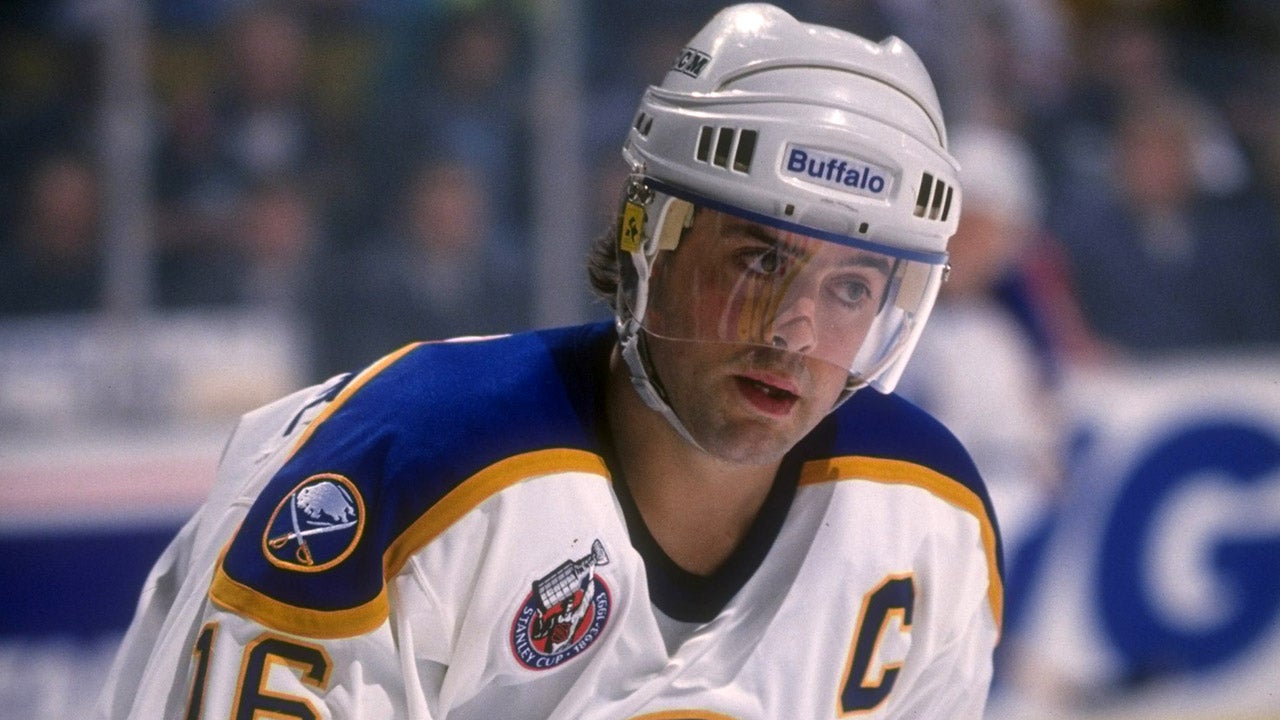
Meanwhile, LaFontaine found a new home. Early in the 1991-92 season, the Islanders traded LaFontaine to the Sabres, and the centerman promptly produced a career-best 1.63 points per game, a mark he would again top a year later.
Some talks started to come up that the Red Wings might trade Yzerman for LaFontaine. This idea was basically a blockbuster trade, swapping one superstar for another, and the homegrown hero, LaFontaine, would come home to Detroit. These talks weren’t mere whispers. Yzerman felt betrayed and was quoted in an interview saying, “I just expected to be treated like an adult.” In the end, Marion Ilitch stopped the deal from happening.
Rumors Refuse To Die
The trade rumors came up again in 1995, and with a different kind of pressure. The team had a new head coach you may have heard of, by the name of Scotty Bowman.
The coach sought a new identity, not just to be the “Steve Yzerman era.” The main theme around Yzerman was that he was an elite offensive player, but not a complete-enough player to lead the Red Wings all the way to a Stanley Cup. The Ottawa Senators are believed to have entered the Yzerman trade mix around this time, as a struggling expansion team in need of high-end talent and immediate impact. The Senators were apparently willing to trade away their young center, Alexei Yashin.
The rumors going around suggested that the deal was agreed upon, but once again, owner Ilitch stopped it from happening. It was good that Ilitch put an end to this trade drama because Yzerman brought three Stanley Cups to Detroit, while Yashin became famous for being a contract holdout for Ottawa.
A Change In Yzerman
With all of these trade rumors that Yzerman dealt with, it really lit a fire under him. He made his feelings of being disrespected public.
But instead of sitting on those emotions, he channeled them into his game on the ice, developing into more of a two-way player under Bowman. Yzerman traded in some points for a stronger defensive game, and by 1996 had begun earning votes for the Frank J. Selke Trophy as the league’s best defensive forward (he lost out that year to his teammate, Sergei Fedorov). His evolution as a player ultimately defined his legacy and blazed a path for the Red Wings’ Stanley Cup dynasty.
 Robert Laberge/AllsportWhat If Yzerman Was Traded?
If Yzerman was actually traded, whether after the ’83 draft or in the early ’90s, there’s no telling whether the Red Wings hoist the Stanley Cup at all, let alone three times in his career. The impact would have altered the timeline of a far less successful franchise for many years, since Yzerman was the central identity of the team and played the most critical role in their on-ice success. The overall team morale likely would have taken a big hit, and it might have compounded problems by pushing top talent away from Detroit.
The near-trades may not have actually happened, but they are essential to telling the story of Yzerman’s career and the Red Wings’ dynastic run. Yzerman went on to be the longest-tenured captain in NHL history. His fame is rooted in what was a rare combination of elite hockey skills and exceptional leadership qualities. He is a Hockey Hall of Famer and one of the greatest players of all time.
And the what-ifs of trading Yzerman are a stark reminder that the best trades are sometimes the ones you don’t make.