
Some victims of hurricanes Florence and Matthew remained in temporary housing for more than 1,400 days because the state agency created to lead disaster recovery prioritized “process management” over repairing and rebuilding homes, according to a new report by the State Auditor’s office.
The General Assembly created the North Carolina Office of Recovery and Resiliency in 2018 to lead recovery efforts after Hurricane Florence, which hit the state that year, and Hurricane Matthew, which hit in 2016. However, state leaders in recent years found the program to be both over budget and slow to help the residents of eastern North Carolina who had been affected by the storms.
State lawmakers have been scrutinizing the program, known as NCORR, for years. Last year, they summoned the program’s director to testify at the Capitol in Raleigh, and a week later she was pushed out. Gov. Josh Stein, upon entering office earlier this year, shifted disaster recovery responsibilities from NCORR to a new office known as GROW NC.
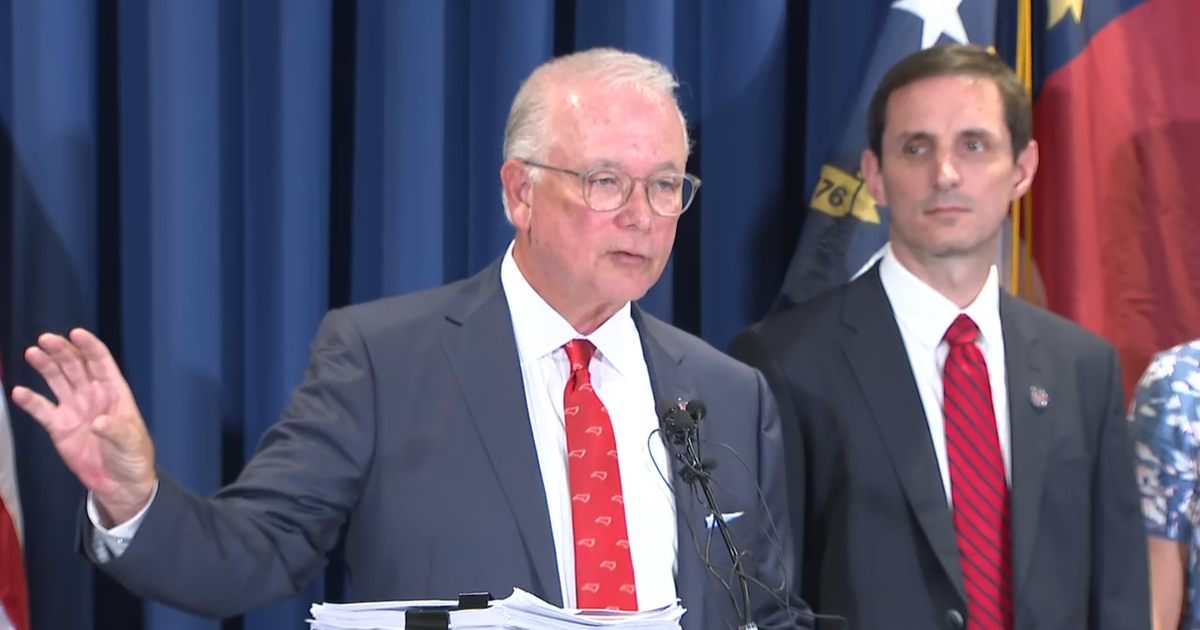
The report released Wednesday by State Auditor Dave Boliek, a Republican elected last year, offers new insights into the source and extent of the delays at NCORR.
For instance, the office’s Homeowner Recovery Program required hurricane victims to complete eight steps in order for their properties to be fully repaired. Each of the eight steps took at least 100 days on average, Boliek’s report says. And, because of those delays, the program at times spent more than $230,000 on temporary lodging for a single household, the report says.
“What was originally created to help hurricane victims turned into a logistical nightmare,” the report says.
The report also says, “The story of NCORR is a story of the government failing the very people it is meant to support.”
Pryor Gibson, the director of NCORR, responded to Boliek’s findings in a one-page letter that was included in the auditor’s report. NCORR is making progress on returning people to their homes and then shutting down the program next year, he said.
“NCORR has significantly improved its financial management systems to ensure the program can complete its work and close out in accordance with statutory timelines,” Gibson said. “Our leadership has actively shared lessons learned with leaders of Helene recovery efforts, including GROW NC.”