
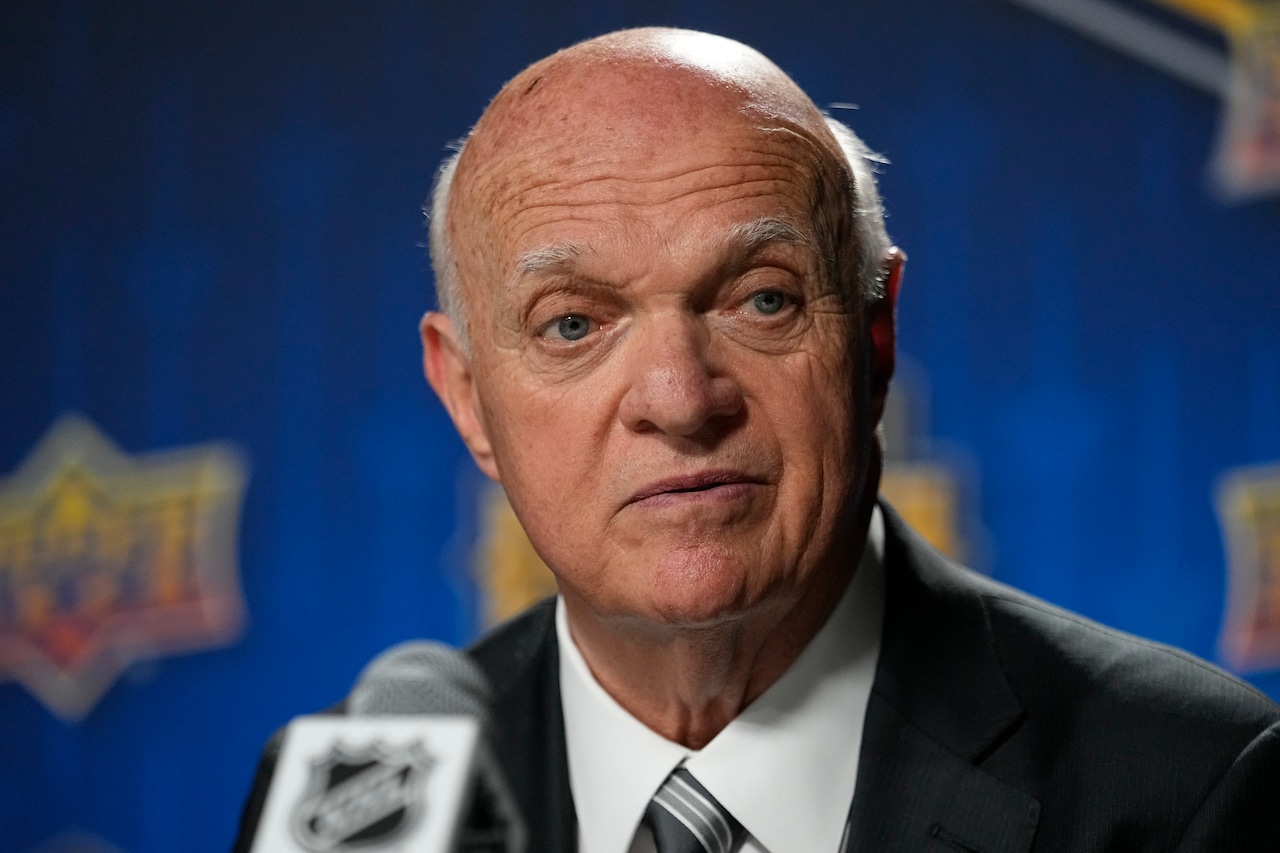
When the New Jersey Devils were struggling during their championship era, players dreaded one inevitable occurrence: the moment Lou Lamoriello would enter the locker room for what can only be described as a psychological demolition derby.
Jay Pandolfo, two-time Stanley Cup champion with those Devils teams, recently pulled back the curtain on those infamous team meetings during his appearance on “Speaking of the Devils” podcast, painting a vivid picture of the legendary GM’s unique motivational tactics.
“He would probably come in at least once a year and address the team, usually when things weren’t going well,” Pandolfo recalled with a mix of respect and lingering anxiety. “And it’s not fun why he’s doing it, but he would go around the room, and he didn’t hold anything back. He pretty much went around and gave it to pretty much every guy sitting there.”
The former Devils forward’s description conjures images of a scene few modern NHL players would recognize: a room full of professional athletes sitting in uncomfortable silence as the imposing figure of Lamoriello methodically dismantled each player’s performance, one by one, sparing no one regardless of status.
These weren’t constructive feedback sessions or measured coaching moments. They were psychological reset buttons, pushed with force and precision by a man whose presence alone commanded attention.
“Those were memorable,” Pandolfo continued, carefully avoiding specifics about what Lamoriello said to him or his teammates. “He had such a presence about him, too.”
What makes this window into the Devils’ dynasty era particularly fascinating isn’t just the unfiltered management style, but the undeniable results it produced.
As Pandolfo told NJ Advance Media’s Ryan Novozinsky: “When he came in, we usually did pretty well right after that.”
That simple statement speaks volumes about the effectiveness of Lamoriello’s approach.
For all the psychological discomfort, for all the bruised egos and uncomfortable truths, the team responded. They won. Repeatedly.
When asked what instrument Pandolfo would have been in Lamoriello’s infamous “orchestra” analogy (where the GM compared the team to musicians playing different roles), the former defensive specialist laughed knowingly.
“I think he would probably call me a drummer or something like that,” Pandolfo said. “He would not call me a violinist. I know that for sure.”
That self-awareness about his role—not a flashy virtuoso but a steady, reliable beat-keeper—shows exactly why Lamoriello’s direct approach worked. Players understood their roles and embraced them, creating a culture where individual egos were subordinated to collective success.
Could such an approach work in today’s NHL?
It’s difficult to imagine.
The modern professional athlete exists in a different relationship with management, and the “go around the room and publicly criticize everyone” strategy might create more problems than solutions in contemporary locker rooms.
Yet there’s something almost nostalgic about Pandolfo’s recounting. For all the discomfort those meetings caused, they created clarity, accountability, and results. They built champions. They forged a dynasty.
Perhaps most tellingly, Pandolfo doesn’t describe Lamoriello’s approach with resentment, but with reverence. His final assessment of the man who would routinely “give it to pretty much every guy sitting there” was simple but profound: “He was a legend.”
Want to hear more insider stories from the Devils’ championship era? Listen to the full interview with Jay Pandolfo on Speaking of the Devils, where the BU coach shares insights on player development, defensive hockey philosophy, and his journey from player to coach. You’ll gain new appreciation for the culture that built one of hockey’s most dominant teams.