
We’ve crossed another 10-game mark in the Seattle Kraken season. The previous installments of this series carried a tone of optimism, but if you’re looking for silver linings this time, you may want to take this one off. The 2025–26 Kraken just endured one of the roughest stretches in franchise history. The theme of this 10-for-10 is less about excitement and more about confronting the reality of what’s unfolded over the past three weeks.
If you’re still reading, don’t forget, I warned you.
Data point 1: Points percentage in the Pacific Division
10 games ago, Seattle sat third in the Pacific, just two points behind division-leading Anaheim with a game in hand. Since then, they’ve been the worst-performing team in the division, even allowing Vancouver to gain ground.
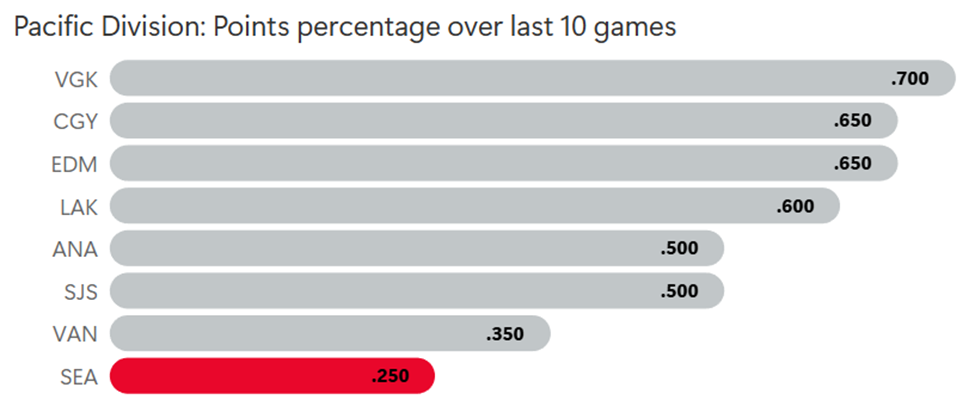
The Kraken now find themselves tied for sixth in the Pacific and five points out of the final wild card spot.
Data point 2: Goals for and against (excluding empty-netters)
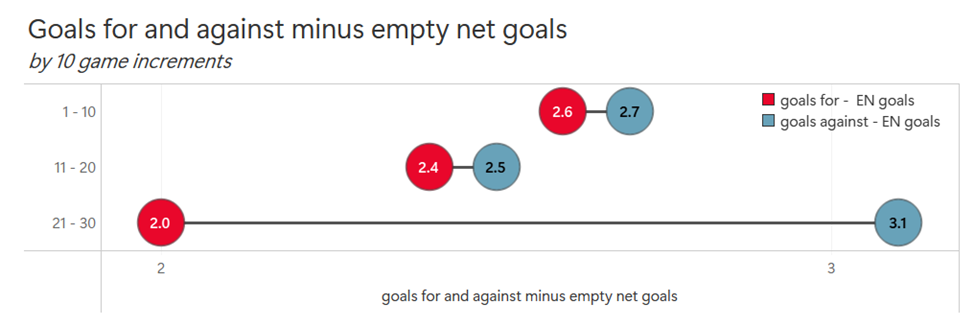
Scoring has been a season-long issue, but the last 10 games have been especially brutal, with the Kraken averaging just two non-empty-net goals per game. Meanwhile, defensive lapses have led to more goals against.
With Jared McCann and Jaden Schwartz sidelined for at least two more weeks, offensive relief is nowhere in sight.
Data point 3: Special teams
Special teams have mirrored the broader struggles. In one three-game stretch, Seattle allowed seven of eight opposing power plays to convert while scoring just once on 11 opportunities.
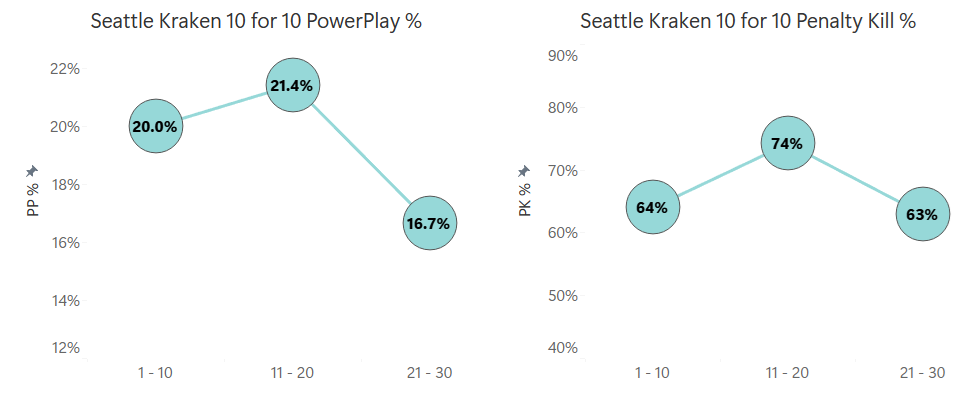
The recent trend is slightly better: the penalty kill has stopped 10 of the last 12 chances, and the power play has clicked at 29.4 percent over the last four games.
Data point 4: Shot attempts per game
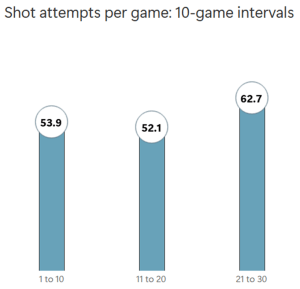
Earlier this season, shot volume was a glaring weakness. Over the last 10 games, attempts have increased—but much of that may be inflated by playing from behind.
Data point 5: Shooting percentage
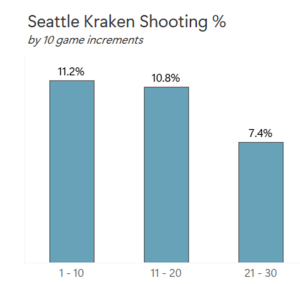
More shots haven’t translated to more goals. Seattle’s shooting percentage has cratered to just 7.4 percent over this stretch.
Data point 6: High-danger chances (all situations)
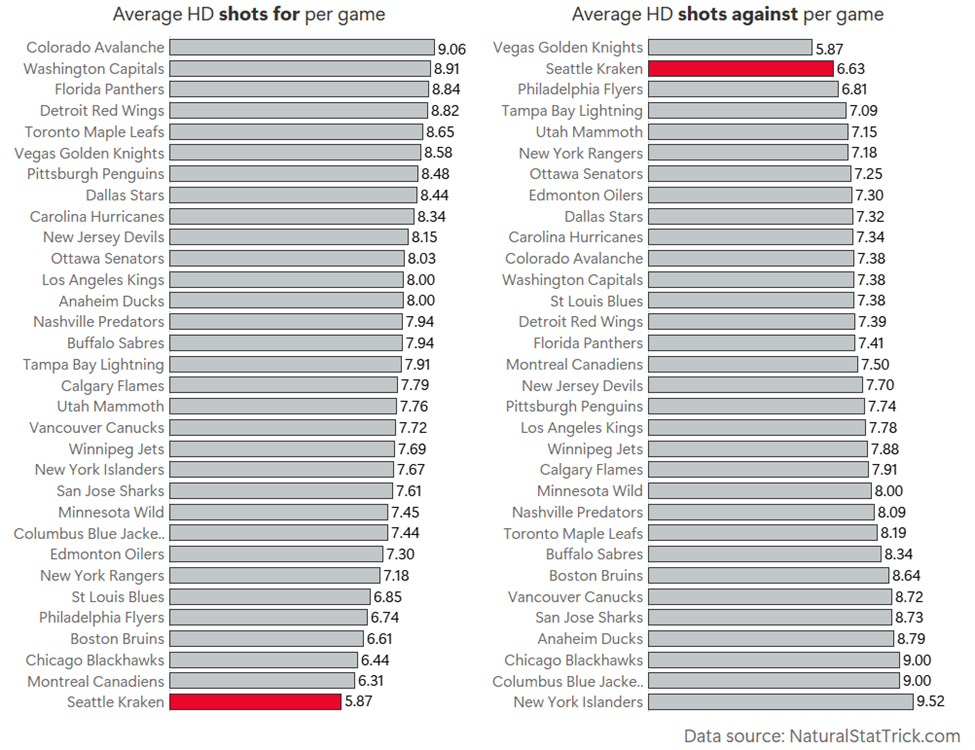
The low shooting percentage is partly explained by shot quality. Seattle averages only 5.87 high-danger shots per game—the lowest in the NHL. The lone bright spot: they also allow the fewest high-danger shots against per game.
Data point 7: Defensive zone faceoffs
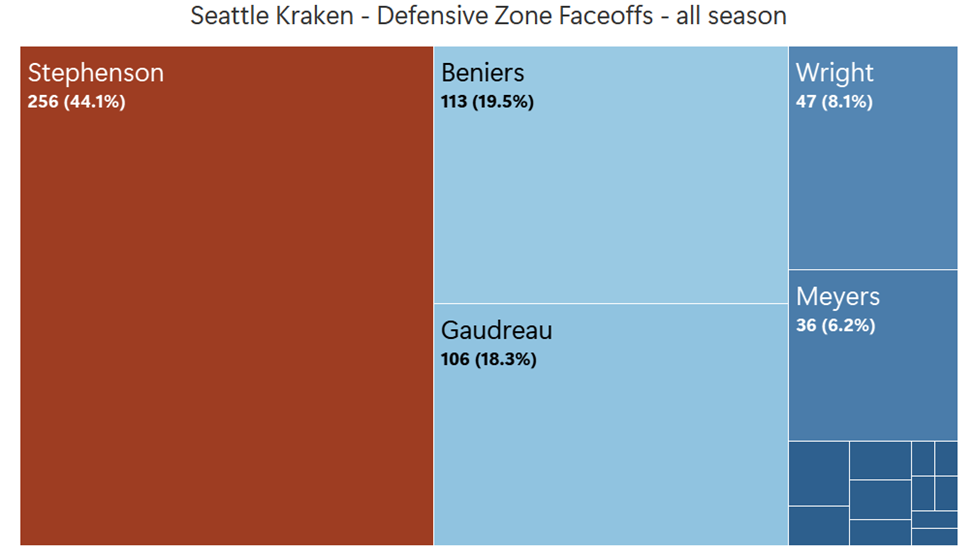
Chandler Stephenson has taken 44 percent of the team’s defensive zone draws this season, consistently facing the toughest matchups. This usage drags down his public analytics, since zone time isn’t factored into most models, but it underscores his importance in Lambert’s system.
Data point 8: Five-on-three power play time
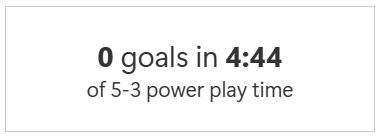
Seattle has led the league with 4:44 of five-on-three time since November 23, yet they’ve failed to score. Against Utah, they squandered 1:42 of five-on-three in what was essentially a one-goal game (excluding empty-netters).
Data point 9: Goals against average (last 10 games)
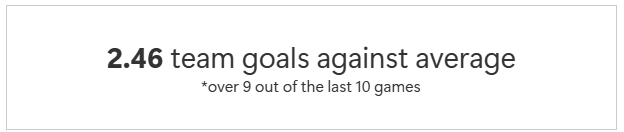
While goals-against average isn’t the best measure of goalie performance, it does reflect team defense. Allowing fewer than three goals per game usually gives a team a chance to win. Seattle has hovered near that mark, though I’ve excluded the 9–4 drubbing in Edmonton as a mulligan.
Data point 10: Goals lost to injured reserve
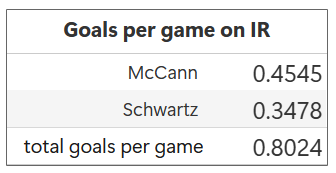
Injuries remain the defining storyline. McCann and Schwartz—Seattle’s top two goal scorers—are both on IR. Without them, the Kraken continue to play tight, one-goal games (excluding empty-netters), but the margin for error is razor-thin.
Closing Thoughts
This 10-game stretch has been a sobering reminder of how fragile success can be in the NHL and how thin this Seattle Kraken team really is. The Kraken aren’t being blown out nightly, but the lack of scoring depth and reliance on injured stars has left them clinging to close games without the finishing power to tilt results in their favor.
The good news? The season is long, and reinforcements are on the horizon. If McCann and Schwartz return healthy, and if Lambert can coax more consistency from the special teams, Seattle still has a shot to claw back into the playoff picture but it will take an impressive turnaround. The margin is shrinking, and the next 10 games may define whether games 21 to 30 is just a stumble or the start of the collapse.