
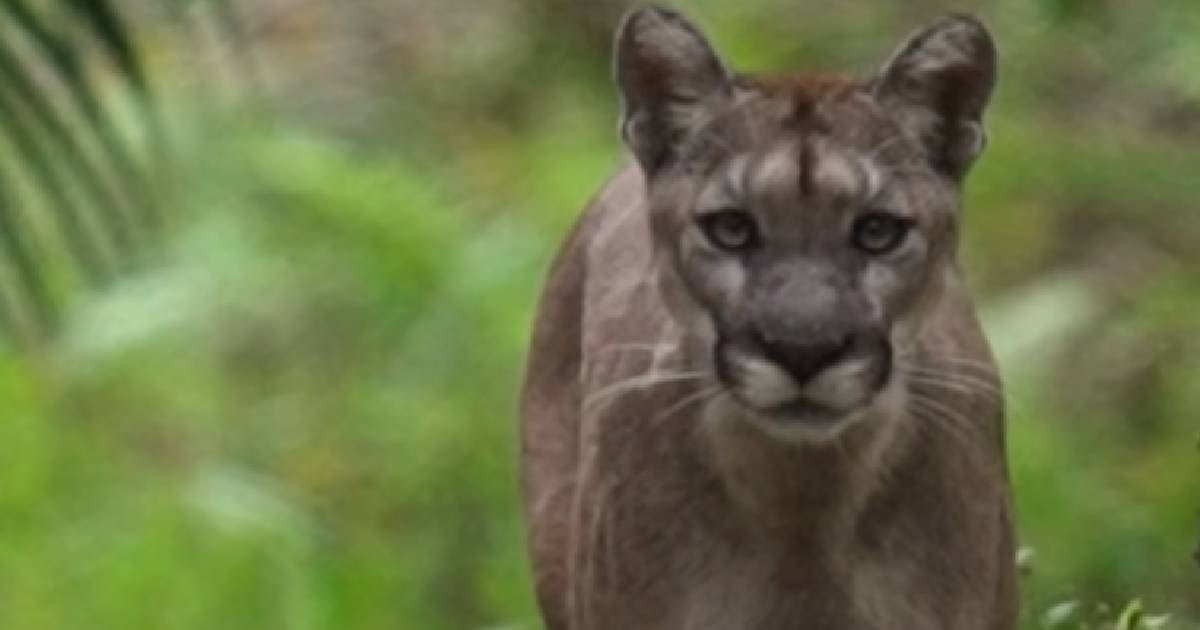
The iconic Florida panther, one of the most emblematic and endangered felines of the southeastern United States, continues to face a concerning decline in its population.
So far this month of May, two specimens have died after being struck by vehicles, which intensifies the concern among conservationists and environmental authorities, reported the local news page on Instagram Lifestyle_Miami.
The first incident occurred on May 1 in Collier County, where a one-year-old male juvenile was found dead.
The next day, on May 2, another adult male, aged between 4 and 5 years, was found dead near the Okaloacoochee Slough State Forest in Hendry County.
On the eve of the International Day of Endangered Species on May 19, animal rights activists are reminding us that these deaths are not isolated incidents: vehicle collisions are the leading cause of death for these animals in Florida, particularly along roads that cut through their natural habitats.
Conservation experts estimate that fewer than 200 Florida panthers remain in the wild. This figure places the species at critical risk of extinction, despite decades of efforts for its recovery.
“The population is on the brink of collapse. Each death represents a significant genetic and ecological loss,” warned a spokesperson for the Florida Fish and Wildlife Conservation Commission (FWC).
The Florida panther (Puma concolor coryi) is a subspecies of the North American cougar and has been classified as endangered since 1967. It primarily resides in the southwestern region of Florida, including the Everglades, Big Cypress, and other natural areas of the state.
The factors that affect their survival include habitat fragmentation due to urban development, as well as conflicts with humans and the loss of ecological corridors.
The tragic message shared by the social media account @Lifestyle_Miami, accompanied by the phrase “Pretty soon, they will be gone… FOREVER,” reflects the sense of helplessness felt by many residents of the state.
The Miami-based photographer Alex Gutti, a lover of the wildlife in the Everglades, published a beautiful video in April showcasing a local panther, and he mentioned that it took him a while to find it.
Environmental organizations are intensifying efforts to promote measures such as the installation of elevated or underground wildlife crossings; reducing speed limits in areas with high animal traffic; and increasing public education and legislative pressure to protect their habitats.
The Florida panther is more than a symbol of wildlife; it is a thermometer for the ecological health of the southern part of the state. Its extinction would be an irreversible loss for the biodiversity of the United States, experts assert.
Frequently Asked Questions about the Florida Panther CrisisWhat is the main cause of death for Florida panthers?
The leading cause of death for Florida panthers is vehicle collisions. This is particularly concerning in areas where roads intersect with their natural habitats, increasing the risk of being struck.
How many Florida panthers are left in the wild?
It is estimated that fewer than 200 Florida panthers remain in the wild. This figure places the species at a critical risk of extinction, despite conservation efforts that have been undertaken for decades.
Since when has the Florida panther been classified as endangered?
The Florida panther has been classified as endangered since 1967. This classification reflects the ongoing threat the species faces due to factors such as habitat loss and conflicts with humans.
What measures are being taken to protect the Florida panthers?
Measures such as the installation of wildlife crossings and the reduction of speed limits in areas of high animal traffic are being promoted. In addition, there is a push to increase public education and legislative pressure to protect the habitats of panthers.