
 By now, this routine should feel familiar for the Edmonton Oilers. They enter the season with championship expectations, elite talent, and a roster that looks good enough on paper. Then October hits, the record looks ugly, and everyone starts asking the same tired question: What is wrong with the Oilers?
For three straight seasons, Edmonton has found itself chasing rather than leading. That reality feels bizarre for a team that has been to back-to-back Stanley Cup Finals.
In 2023, the Oilers started so poorly that they fired their head coach before Thanksgiving. In 2024, they needed a historic 14-game winning streak just to claw their way into the playoffs.
The talent never disappeared, but the margin for error did.
The easiest explanation has always been goaltending, and for a while, that criticism was fair. The tandem of Stuart Skinner and Calvin Pickard simply was not good enough when games tightened up.
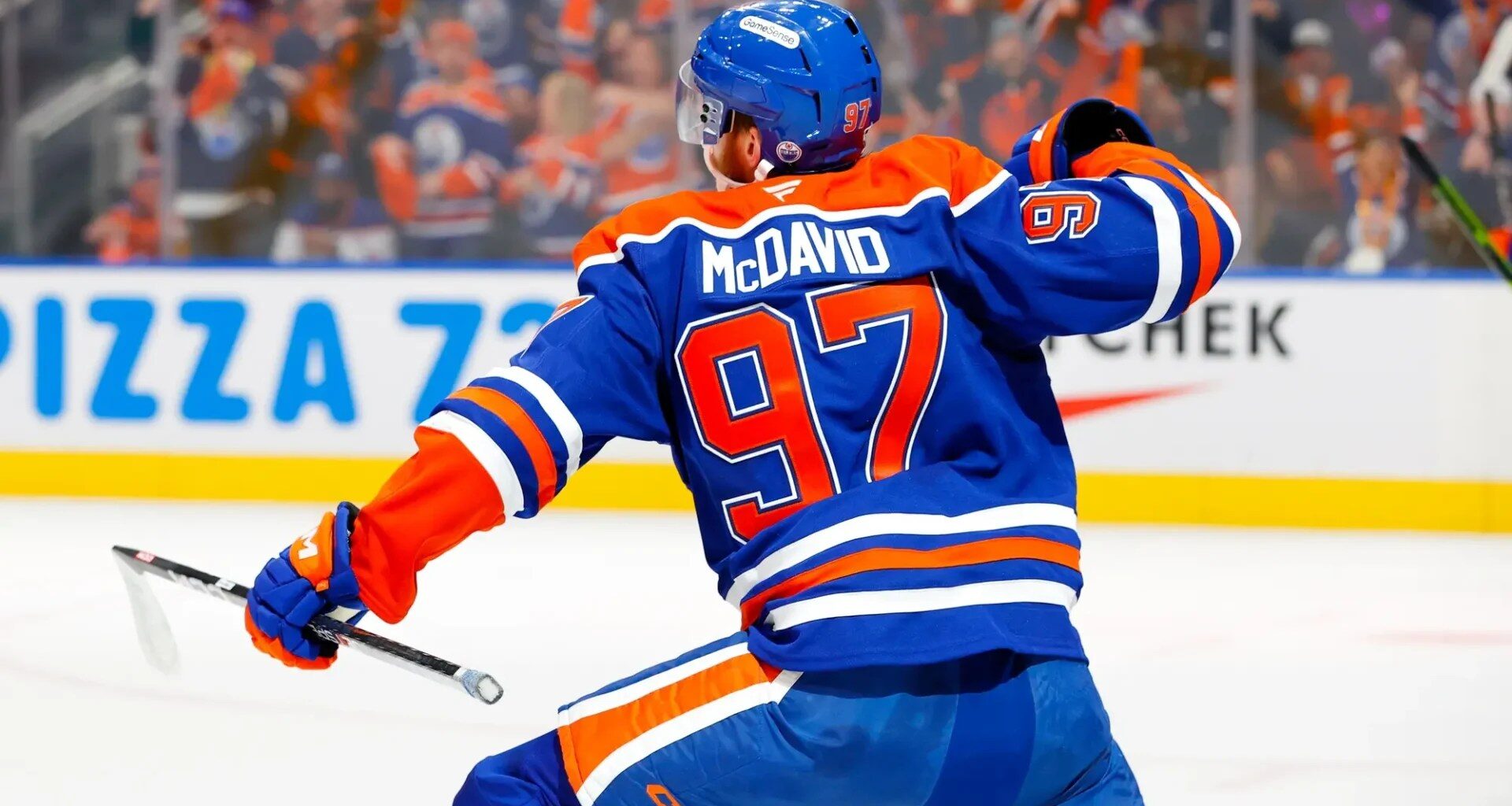
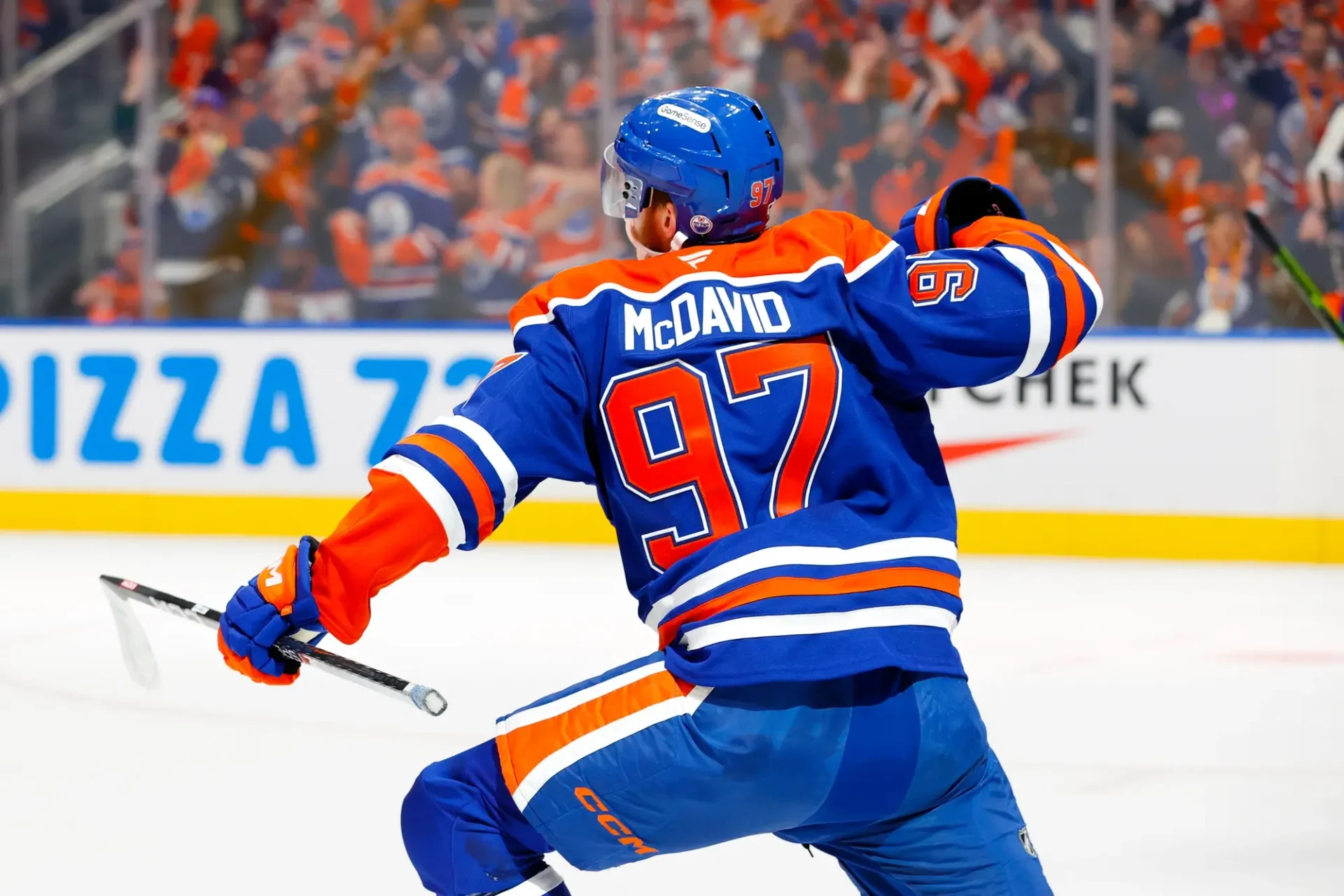
Edmonton could overcome mistakes against weaker teams by piling up goals, but when the competition improved, those flaws became fatal. Connor McDavid and Leon Draisaitl can mask a lot, but they cannot mask everything.
That weakness was exposed most clearly against structured, defensively disciplined teams. Florida provided the blueprint. The Panthers limited chances, clogged the middle, and forced Edmonton to beat them in small, uncomfortable spaces.
When that happened, the Oilers struggled.
More NHL Content From TWSN
5 Star Players Likely To Be Moved At NHL Trade Deadline
Florida Panthers Easily Remain Stanley Cup Favorites
The Next Great NHL Rivalry: Bedard Vs. Celebrini
The Edmonton Oilers Can Still Make Another Stanley Cup Run
Early this season, the numbers were alarming. Through the first 25 games, Edmonton posted the lowest team save percentage in the league, a mark that historically bad teams wear, not contenders. But pinning all the blame on the goalies misses the bigger issue.
The Oilers’ defensive problems start far away from the crease. Their forwards play too aggressively. Edmonton loves to attack with speed and numbers, but when possessions break down, it leaves their defense exposed to odd-man rushes. That puts any goaltender in an impossible position. No one consistently stops cross-ice passes in a two-on-one.
The system itself also contributes to the chaos. For all their speed, the Oilers love to stretch the ice. That means defensemen are asked to make long, risky passes under heavy pressure. When those passes fail, and they fail often, the puck ends up in dangerous areas immediately.
Turnovers like that are nightmares for goaltenders. It does not matter who is in net. Those chances are almost impossible to save multiple times a night.
What’s Changed in 2025?
This year feels different for one reason. Edmonton finally admitted that goaltending needed outside help. The addition of Tristan Jarry represents a clear attempt to stabilize the position.
He does not need to be elite. He just needs to be competent. For a team with this much firepower, average goaltending can be enough if the rest of the structure holds.
Offense has never been the concern, and it still is not. As long as McDavid and Draisaitl are healthy, Edmonton will score. They will dominate possession. They will win games they have no business winning. That part is automatic.
The problem is that the Western Conference is no longer forgiving.
Colorado looks terrifying again, a team built to overwhelm opponents in waves.
Dallas has quietly stacked points and depth, doing everything well without much noise.
Minnesota has emerged as a legitimate threat early, and the middle of the conference is crowded with teams that punish mistakes.
Getting out of the West is going to be brutal. There are no soft matchups, no easy paths, and no early-round breathers. Edmonton already struggled when the road was easier. That reality cannot be ignored.
The Oilers can still make a run. The talent is too great to dismiss. But this time, surviving a slow start will not be enough. They will need a defensive buy-in, cleaner breakouts, and goaltending that does not collapse under pressure.
The past two seasons showed how thin the margin really is.
If Edmonton could not finish the job when the conference was less crowded, doing it now will require more discipline and more maturity than they have shown before.
Hope is still alive in Edmonton, but hope alone does not win the Stanley Cup.