
Some nights in the NHL feel louder than others. Wednesday wasn’t one of them. It was quieter than that — the kind of night that tells you where teams are headed rather than delivering anything dramatic enough to dominate highlights.
Three Canadian clubs played, and each game carried a different kind of message. Montreal looked like a team learning how to win with patience. Calgary leaned into its identity and survived a rivalry game that could easily have gone the other way. Vancouver, meanwhile, continues to look like a group searching for answers that never seem to arrive at the same time.
What stood out across the night wasn’t talent or effort. Every team had both. The difference was composure once games tightened. At this stage of the season, that detail separates teams building confidence from teams trying to rediscover it.
Montreal Canadiens 5, Winnipeg Jets 1
The score suggests Montreal controlled the night from start to finish. The reality is slightly more revealing. This game showed that the Canadiens are beginning to understand how to push games in their favour when momentum is on their side, rather than letting it drift away.
Brendan Gallagher was the emotional and practical center of Montreal’s win. His goal and two assists were important, but Gallagher’s value showed up in the way his line forced Winnipeg to defend deeper than it wanted. He dragged the game into uncomfortable areas for the Jets, and Montreal fed off that pressure.
The moment that changed everything arrived in the second period. Josh Anderson and Lane Hutson scored 76 seconds apart, and suddenly, a manageable hockey game turned into a chase for Winnipeg. The Jets never regained control. That short burst exposed a defensive hesitation Montreal recognized immediately and exploited.
Samuel Montembeault deserves equal mention. He faced 36 shots and never looked rushed. That matters because his recent starts had been uneven. His third-period stops, especially during Winnipeg’s power play, quietly shut the door on any possible pushback.
Winnipeg actually opened the scoring through Kyle Connor and had several chances to steady the game later, including a post and a handful of dangerous rebounds. The Jets couldn’t convert those moments into sustained pressure. Montreal, now riding an intense stretch, looks increasingly like a team that knows what it wants games to feel like.
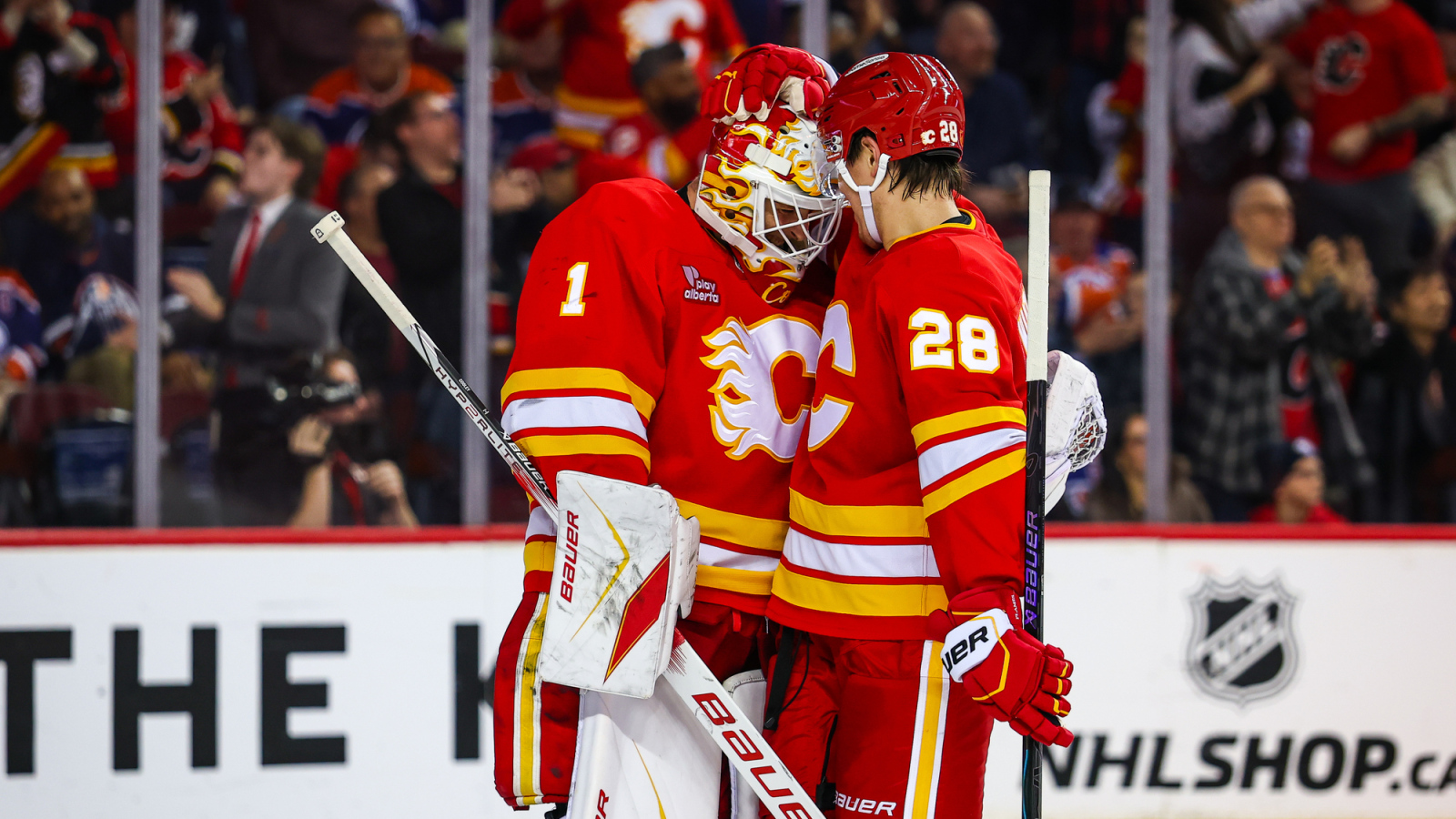
Calgary Flames 4, Edmonton Oilers 3
Rivalry games are rarely neat, and this one certainly wasn’t. Calgary’s 4-3 win over Edmonton wasn’t about dominance. It was about refusing to step back when momentum started to swing.
Matvei Gridin quietly stole attention in this one. The rookie’s first multipoint NHL game showed more than scoring touch. He looked comfortable playing alongside Jonathan Huberdeau, and that matters for Calgary because secondary scoring has been inconsistent for long stretches this season.
The game turned on Ryan Lomberg’s third-period goal. It wasn’t pretty, but those goals rarely are in rivalry matchups. Lomberg stayed with a broken play, found the rebound, and buried it while Edmonton scrambled defensively. Calgary’s willingness to live around the net all night eventually paid off there.
Leon Draisaitl kept Edmonton alive. His two power-play goals showed exactly why he continues climbing the franchise scoring ladder. Passing Mark Messier on the Oilers’ all-time list is no small accomplishment. Still, Edmonton’s special teams betrayed them on the other side. Calgary scored twice early with the man advantage, and those goals forced Edmonton into catch-up mode for most of the night.
Devin Cooley held Calgary together whenever Edmonton threatened to tilt the ice. His 36 saves were steady, and steady was precisely what the Flames needed.
Edmonton’s losing streak heading into the break says less about scoring ability and more about defensive reliability. That balance continues to slip at difficult moments.
Vegas Golden Knights 5, Vancouver Canucks 2
Vancouver’s loss felt familiar, and that may be the most concerning part. The Canucks have now dropped six of their last seven games, and this one followed a pattern that has been difficult for them to escape.
Jack Eichel controlled much of the tempo for Vegas. His goal and assist only tell part of the story. He dictated how quickly the Golden Knights moved through the neutral zone, and Vancouver struggled to slow him down without backing off entirely.
The game swung wildly during the second period when four goals arrived on four consecutive shots. Vegas walked away from that stretch leading 3-1, and Vancouver never looked fully settled afterward. Quick scoring bursts test a team’s ability to reset mentally. The Canucks never found that reset.
Akira Schmid’s diving glove save on Pierre-Olivier Joseph midway through the period felt like a quiet turning point. Vancouver needed that goal to steady itself. Instead, the save reinforced Vegas’ confidence and drained whatever push the Canucks were building.
Goals from Elias Pettersson (the defenceman) and Joseph gave Vancouver a brief life, and Teddy Blueger chipped in with two assists. Still, the Canucks continue to struggle once defensive coverage breaks down. Vegas, by contrast, leads the league in third-period scoring for a reason. They close games efficiently and without hesitation.
Vancouver is not lacking effort. It is lacking answers that hold together for sixty minutes.
Closing Thoughts About Canada’s Teams Last Night
Wednesday offered a clear dividing line for Canadian teams. Montreal and Calgary left the night looking organized and increasingly comfortable with their identities. They are not flawless teams, but they know how they need to play.
Winnipeg, Edmonton, and Vancouver remain in more uncertain territory. Winnipeg competes well, but lets opportunities slip through the cracks. Edmonton continues to juggle elite offence with fragile defensive stretches. Vancouver looks stuck in a cycle where one problem fades only long enough for another to appear.
As the schedule tightens, confidence shifts from streaks to predictability. Teams that trust their structure tend to survive the grind. Teams still searching for it often discover how quickly standings can close in.