
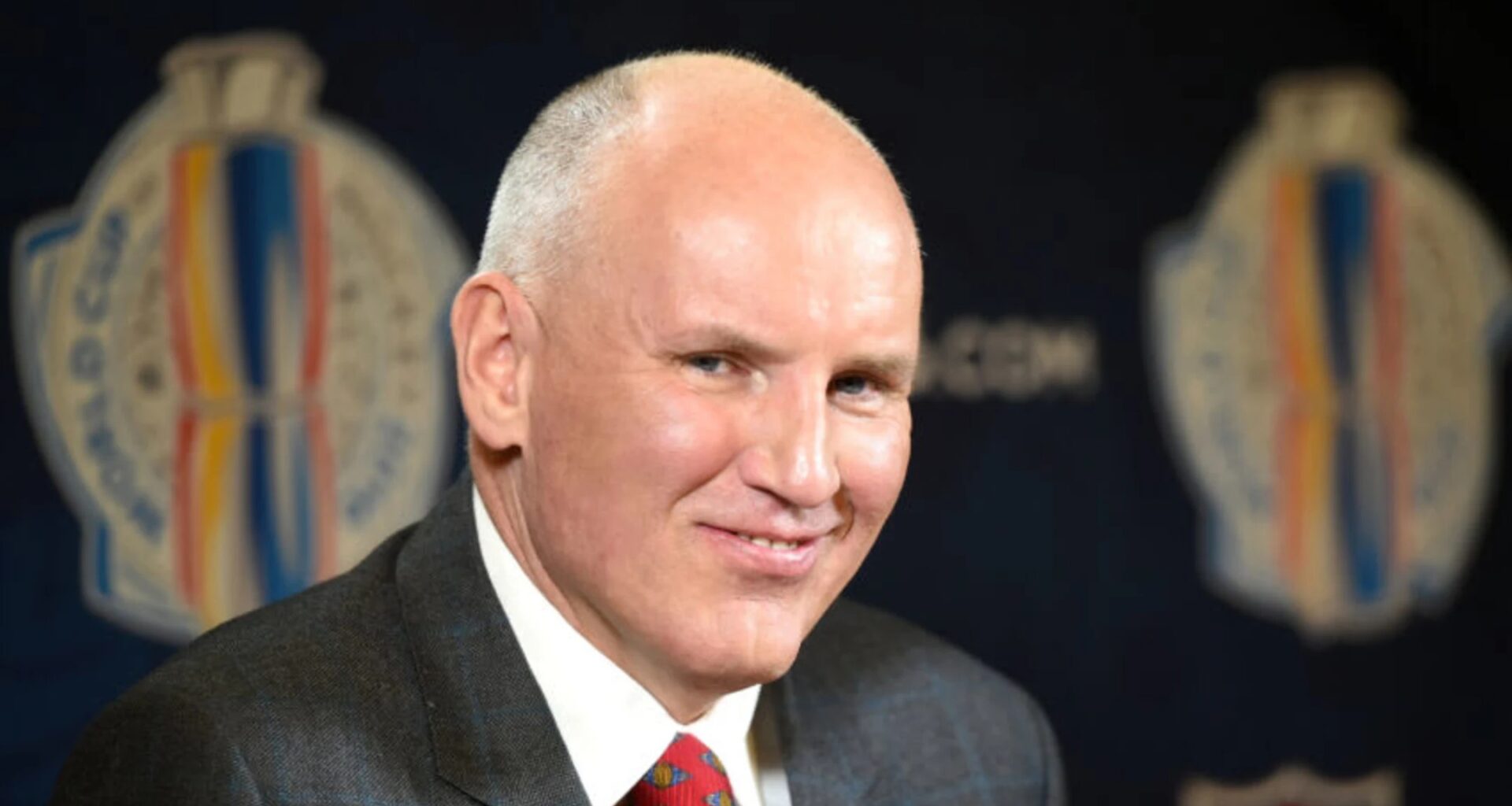
After arriving in Italy for the 2026 Winter Olympics, Team Canada GM Doug Armstrong joined TSN’s Ryan Rishaug to discuss selecting Seth Jarvis to replace the injured Brayden Point and the process of preparing the players to compete next week.
With Brayden Point unavailable, Seth Jarvis has received the call. What was your thought process when making the decision? Why Jarvis?
Armstrong: It was obviously difficult. We wanted both Anthony Cirelli and Brayden Point to be on the team. We felt very bad, talking to those guys about how they couldn’t come. We just sat down with our group, came up with a list of players, discussed it with the coaches, and we came up with the two replacements. Obviously, Jarvis and Bennett have a history with this group, but it wasn’t based on history. It was based on our belief that they would give us the best opportunity to have a competitive team.
How much debate was there among the management group? When you whittle it down to this group, there are so many good players available, and players with different styles.
Armstrong: Everybody has their opinions. It’s interesting. You work with the Western Conference and Eastern Conference, and my bias is with the guys I know from the West, and then there is a bias with guys toward the East. You debate it and talk it through. You are trying to do what you think is right for the whole group. It is a spirited debate, but it is a positive debate, because you are hearing different people’s opinions and coming to a decision.
It seems there is a priority placed on the group that has been together before, dating back to Four Nations, knowing they’ve already come together, faced adversity, and won together. Did you lean into it?
Armstrong: That is a hard one; it’s a yes and no answer. The Four Nations wasn’t four years ago or two years ago. It was one year ago. To get selected for that team, you were at that level then, and not a lot really changes in a year.
We do have some changes. Celebrini is one. That is a young player who has really blossomed. But you do look for synergy. You look for consistency. But we tried to pick this year’s team based on the players we thought were playing the best and gave us the best opportunity.
Because Four Nations was so recent, it is not strange that all of the countries have a lot of repeat players.
The challenge is now getting the players to Italy, adjusting to the time zone, overcoming jet lag, and setting everyone up to succeed. How much goes into making sure this all runs smoothly?
Armstrong: We trust Hockey Canada. They are pros at this. Our team doctors gave some information to the players — some do’s and don’ts on the plane the day before, what we have to do, how we have to stay up when we get here, just to get the body turned over as quickly as we can. We have three games in four days and a back-to-back to start out. We have to be at our best early. Following the doctors’ plans will be important.
How much has the outbreak of Norovirus gotten the team’s attention? Do plans have to be adjusted?
Armstrong: That is more of an organizational thing. We are obviously going to inform the players to do what they did during Covid — wash their hands, and so on — but I call that the white noise. We can’t control that, so we are not really going to worry about it. They will tell us if things change. Until that point, we are full steam ahead.
The players will have the option to be at the athletes’ village, which is part of the Olympic experience, or be at the hotel as a unit. Can you speak to the experience the players will get here?
Armstrong: We want them to have the full experience. One of the things that I find the most rewarding is that when you are at the Olympics, you are just part of Team Canada. You are not just part of a hockey team. To share those experiences with other athletes, to watch the players bond and get to know people, and to see people walking with a medal when you are still participating is great. It is all part of the experience.
I also think that having the players comfortable and having the option to stay at the village or at a hotel that is a little more accustomed to home is something we want to provide to the guys.
The Olympics have been a long time coming. Personally, how excited are you for this?
Armstrong: I am very excited. I was fortunate enough, in 2018, when the NHL decided not to go, and then in 2022, we actually had our final meeting in December and thought we were going to go, but that one got canceled. I was lucky enough to stay alive long enough to do this in 2026. I am really excited. Every experience I’ve had with Hockey Canada has been fantastic.
It is a whole new group of players. When I was able to work with Steve Yzerman and watch him perform, we had a lot of the same players, from 2010 to 2014, and then into 2016 at the World Cup. This is a whole new group of players. To see them bond at the Four Nations — and then see those bonds continue to grow, as we saw in the summer camp in Calgary — these friendships continue to grow. I think we will continue to build off it.