
The Milano Santa Giulia Arena is alive with the scrape of blades and the echo of pucks off glass as men’s hockey begins at the Milan Cortina Olympics.
Team USA does not play today, so Wild players in red, white, and blue will wait one more night for their first shift. Sweden does open its tournament, however, and Minnesota’s Swedish contingent was already on the ice this morning as the Olympic buzz settled over Milan. Teams began skating shortly after arrival to accelerate preparation.
Minnesota Wild Storylines to Watch For
The men’s tournament runs from Feb. 11 to 22. Sweden opens today in Group B, giving Wild fans immediate action. Team USA begins group play later in Group C.
Games against Canada and Finland, and potentially USA versus Sweden if brackets align, will demand attention. Breakaways, special-teams swings, and physical late-game shifts often decide Olympic outcomes. Minnesota talent will sit at the center of those moments. Today belongs to Sweden. The USA follows soon.
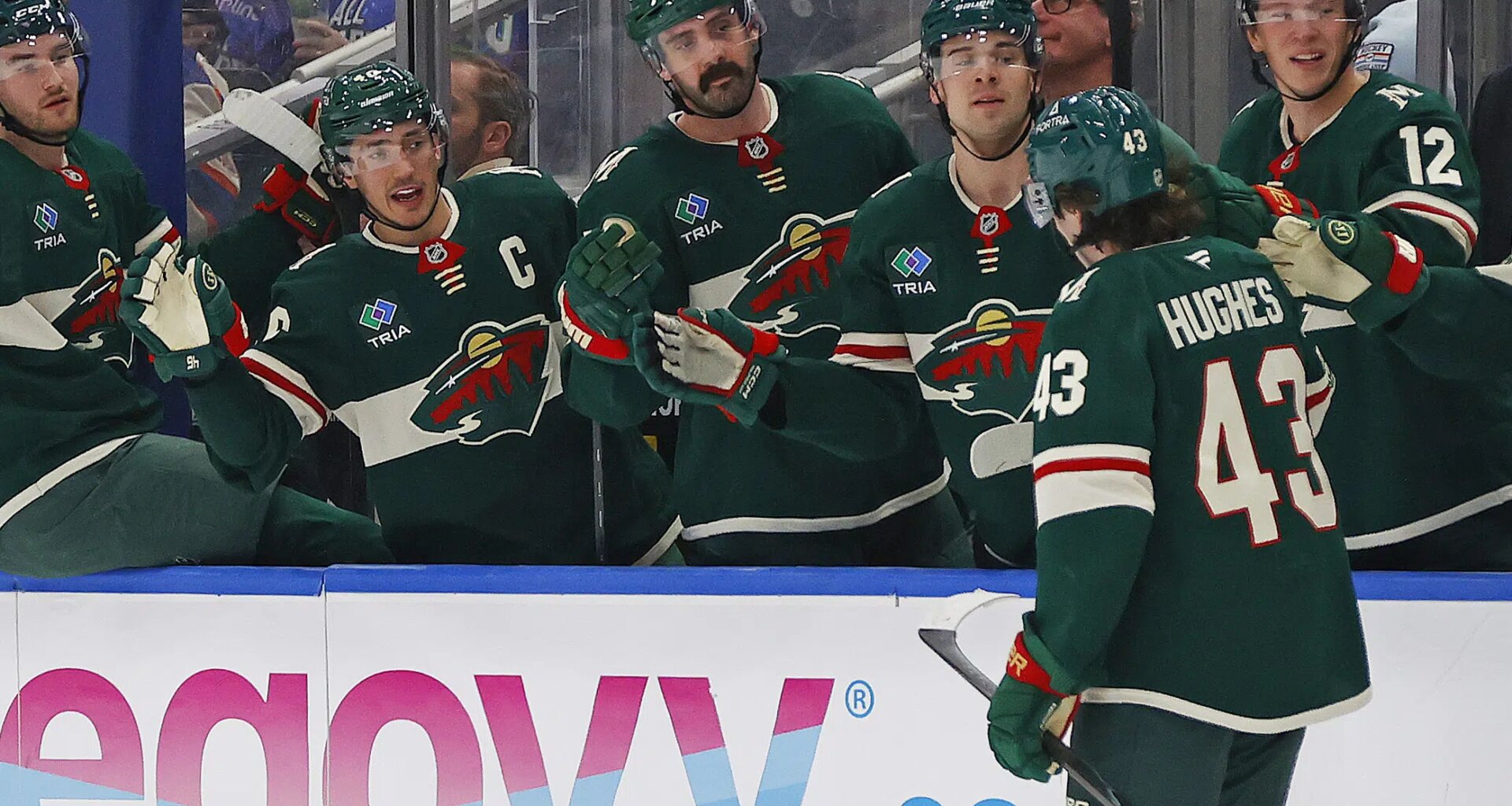
To maximize every minute on the larger international ice dimensions, coaches condensed drills to sharpen spacing and timing. The added room creates new passing lanes yet demands split-second decisions from defensemen. For Team USA, Matt Boldy and Brock Faber inject dynamic speed and composure into transition play. Quinn Hughes arrives with elite puck control and leadership, ready to anchor the blue line.
In goal, Sweden boasts a formidable tandem that Wild fans are familiar with in Gustavsson and Wallstedt.
Adjusting to Olympic Hockey Conditions
Sweden held official ice hockey practice sessions at Milano Santa Giulia Arena ahead of its tournament opener, with head coach Ulf Lundberg overseeing the preparations. The eight Wild players that have been chosen for the 2026 Winter Olympic Games have focused on working through situational drills, special-teams repetitions, shaking off travel, and adapting to the wider international rink, which create more space and sharper passing angles than NHL ice.
Milan sits near sea level, a subtle shift for players used to constant elevation changes. Travel fatigue is another variable. Studies on jet lag show that reaction time and explosiveness can dip after long flights.
Olympic tournaments move fast. One mistake can swing group standings. One power play can reshape a medal path.